Understanding the nutritional needs of various farm animals is a cornerstone of effective farm animal care. Just as humans require a balanced diet to thrive, so too do livestock and poultry. Each species has unique dietary requirements that must be met to ensure optimal health, productivity, and well-being. This knowledge is essential for anyone involved in animal husbandry, whether you are a seasoned farmer or a newcomer to the field. The nutritional needs of farm animals can vary significantly based on factors such as age, breed, and purpose—be it for meat, milk, or egg production.
For instance, growing animals require higher protein levels to support their rapid development, while lactating females need increased energy and calcium to produce milk effectively. Understanding these specific requirements not only enhances the health of the animals but also improves overall farm efficiency and profitability. Moreover, proper nutrition plays a vital role in disease prevention and management. Animals that receive balanced diets are less susceptible to illnesses and can recover more quickly when they do fall ill. As we delve deeper into the specific dietary needs of different farm animals in subsequent sections, it becomes clear that a comprehensive approach to nutrition is not just beneficial but essential for sustainable farming practices.
Nutritional Needs of Cattle
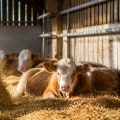
Cattle are ruminant animals that require a well-balanced diet to maintain their health and productivity.Understanding cattle nutrition is essential for farmers aiming to optimize growth, milk production, and overall well-being.To meet their dietary requirements, cattle need a mix of the following essential nutrients:
- Energy: Primarily derived from carbohydrates and fats, energy is crucial for growth, reproduction, and lactation.
- Protein: Necessary for muscle development and milk production, protein sources include soybean meal, alfalfa, and other legumes.
- Vitamins: Vitamins A, D, and E are vital for immune function and overall health. These can be supplemented through feed or mineral blocks.
- Minerals: Calcium, phosphorus, magnesium, and salt are important for bone health and metabolic functions.
- Water: Access to clean, fresh water is critical as it aids digestion and nutrient absorption.
- Assess Nutritional Needs: Evaluate the specific needs based on age, weight, production stage (e.g., lactating or growing), and breed.
- Monitor Body Condition: Regularly check the body condition score (BCS) to adjust feed accordingly.
- Consult with a Nutritionist: Collaborate with an animal nutritionist to formulate a diet plan tailored to your herd's needs.
Understanding Sheep Nutrition
Understanding the nutritional needs of sheep is crucial for their overall health and productivity.Sheep are ruminants, which means they require a diet high in fiber to support their digestive system. The primary source of fiber for sheep comes from forages, such as grass, hay, and silage. These forages should make up the bulk of their diet, as they help maintain proper rumen function and prevent digestive disorders.In addition to fiber, sheep have specific dietary needs for minerals and vitamins. Key minerals include:
- Calcium : Essential for bone development and milk production in ewes.
- Phosphorus : Important for energy metabolism and reproduction.
- Selenium : Vital for immune function and muscle health.
- Copper : Necessary for red blood cell formation and overall growth.
This supplementation can help prevent deficiencies that may lead to health issues.
Seasonal feeding strategies
also play a significant role in sheep nutrition. During the winter months, when pasture is scarce, it is essential to provide high-quality hay or silage to meet their fiber needs. Additionally, during the breeding season, ewes may require a higher energy diet to support fetal development. Conversely, during the summer months when pasture is abundant, sheep can graze freely but should still be monitored to ensure they are not over-consuming lush grasses, which can lead to digestive problems.In summary, effective sheep feeding practices involve providing a balanced diet rich in fiber, supplemented with essential minerals and adjusted according to seasonal changes.By understanding these nutritional requirements, farmers can promote the health and productivity of their flock.
Poultry Nutritional Requirements
Poultry, including chickens, ducks, and turkeys, have specific nutritional needs that vary based on their age, purpose, and breed. Understanding these needs is crucial for effective farm animal care, particularly for layers and broilers.Protein Sources
Protein is a vital component of poultry diets, especially for growth and egg production. Layers require a diet rich in protein to support the formation of eggshells and overall health. Common protein sources include:- Soybean meal: A high-quality plant protein that is easily digestible.
- Fish meal: Provides essential amino acids and omega-3 fatty acids.
- Insects: Increasingly popular in organic farming, insects are a natural protein source.
Vitamins and Minerals
A balanced diet for poultry must also include essential vitamins and minerals.These nutrients play critical roles in metabolic processes and overall health:
- Calcium: Crucial for layers to produce strong eggshells; often supplemented with limestone or oyster shells.
- Phosphorus: Works in tandem with calcium for bone health and energy metabolism.
- Vitamin D: Important for calcium absorption; can be obtained through sunlight exposure or fortified feed.
- B vitamins: Essential for energy metabolism and overall growth.
Nutritional Needs of Swine
Swine, or pigs, have specific nutritional needs that vary based on their age, weight, and purpose (e.g., breeding, meat production).Understanding these needs is crucial for effective farm animal care and ensuring optimal growth and health.
Energy Sources
The primary source of energy in a pig's diet comes from carbohydrates, primarily in the form of grains such as corn and barley. These grains provide the necessary calories for growth and maintenance. Additionally, fats can be included in the diet to enhance energy density, especially for growing pigs that require higher energy intake.
Protein Requirements
Protein is essential for muscle development and overall health. Pigs require different levels of protein at various stages of growth:
- Weanlings: Require about 18-20% protein to support rapid growth.
- Growers: Need around 16-18% protein as they transition to solid food.
- Finishers: Require approximately 14-16% protein to maximize weight gain before market.
It’s important to balance these sources to meet the amino acid requirements specific to pigs.
Formulating Diets
When formulating diets for pigs, it’s essential to consider their life stage:
- Starter diets: High in protein and energy to support weaning pigs.
- Grower diets: Balanced for moderate protein and energy as pigs grow.
- Finisher diets: Lower protein but higher energy to promote fat deposition and weight gain.
Equine Nutrition Essentials
Understanding equine nutrition is crucial for maintaining the health and performance of horses. Horses are herbivores, and their digestive systems are uniquely adapted to process high-fiber diets primarily composed of forage.Forage Needs
The foundation of a horse's diet should be high-quality forage, such as grass hay or pasture.Horses require a minimum of 1% of their body weight in forage daily to support their digestive health and prevent issues like colic. For example, a 1,000-pound horse should consume at least 10 pounds of hay each day.
Grain Supplementation
While forage is essential, many horses also benefit from grain supplementation, especially those engaged in intense training or competition. Grains provide concentrated energy and can help meet the increased caloric needs of performance horses. However, it’s important to introduce grains gradually to avoid digestive upset.Special Considerations for Performance Horses
Performance horses have unique dietary needs that may include:- Increased energy: These horses often require higher levels of carbohydrates and fats to sustain their energy levels during rigorous activities.
- Protein: Adequate protein intake is vital for muscle repair and recovery.
Look for feeds that contain quality protein sources like soybean meal or alfalfa.
- Vitamins and minerals: A balanced diet should include essential vitamins and minerals, particularly calcium, phosphorus, and electrolytes, to support overall health and performance.
Common Nutritional Deficiencies in Farm Animals
Understanding nutritional deficiencies in farm animals is crucial for maintaining their health and productivity. Different species have unique dietary requirements, and failing to meet these can lead to significant health issues. Common deficiencies include:- Calcium: Essential for bone development and milk production, a lack of calcium can lead to conditions such as milk fever in dairy cows.
- Vitamin A: Important for vision and immune function, deficiency can cause poor growth and reproductive issues in pigs and cattle.
- Iron: Particularly in piglets, iron deficiency can result in anemia, leading to lethargy and poor growth rates.
- Selenium: This trace mineral is vital for immune function; deficiency can cause white muscle disease in lambs and calves.
- Poor growth rates or weight loss
- Weakness or lethargy
- Reproductive failures or irregularities
- Changes in coat condition or skin health
- Conduct regular nutritional assessments of their animals' diets.
- Consult with a veterinarian or animal nutritionist to formulate balanced rations.
- Implement supplementation strategies where necessary, particularly during critical growth phases or lactation.
Feeding Strategies for Different Farm Animals
Feeding strategies for farm animals are crucial for ensuring their health and productivity.Different species have unique nutritional requirements, and understanding these can lead to better animal feeding practices and improved overall farm management.
Formulating Balanced Diets
A balanced diet for livestock typically includes a mix of forages, grains, protein sources, and vitamins and minerals. Here are some tailored strategies for common farm animals:- Cattle: Cattle thrive on high-fiber diets. Incorporating quality hay or silage along with grains can enhance their energy intake. Additionally, providing mineral supplements is essential for optimal growth and milk production.
- Pigs: Pigs require a diet rich in protein, often achieved through soybean meal or fish meal.
It's important to balance their diet with carbohydrates from grains and to ensure they have access to clean water at all times.
- Chickens: A well-rounded diet for chickens should include a mix of grains, protein sources like soybean meal, and calcium supplements for laying hens. Layer feeds are specifically formulated to meet the needs of egg-laying chickens.
- Sheep: Sheep benefit from a diet that includes high-quality pasture, hay, and grains. During pregnancy or lactation, their protein and energy needs increase, necessitating adjustments in their feeding regimen.
Management Practices
Effective diets also depend on proper management practices:- Regular Monitoring: Keep track of each animal's body condition score to adjust feed rations accordingly.
- Feed Quality: Always use high-quality feed ingredients to prevent health issues related to poor nutrition.
- Consistency: Maintain a consistent feeding schedule to promote digestive health and reduce stress among animals.
FAQs About Farm Animal Nutrition
Understanding the nutritional needs of farm animals is crucial for their health and productivity. Here are some frequently asked questions regarding farm animal nutrition that can help clarify common misconceptions:- What are the basic nutritional requirements for livestock?
Livestock generally require a balanced diet that includes carbohydrates, proteins, fats, vitamins, and minerals.Each type of animal has specific needs based on its age, weight, and purpose (e.g., meat, milk, or wool production).
- How often should I feed my farm animals?
Feeding schedules can vary. Most farm animals benefit from being fed at least twice a day, while some may require more frequent feeding depending on their age and production stage. - Can farm animals eat the same feed?
No, different species have unique dietary needs. For example, cattle require high-fiber diets, while pigs thrive on energy-dense feeds. It's essential to tailor the diet to each species. - What role do supplements play in animal nutrition?
Supplements can help fill nutritional gaps in an animal's diet.Common supplements include minerals like calcium and phosphorus, as well as vitamins A, D, and E. Always consult a veterinarian before adding supplements.
- How can I tell if my animals are getting enough nutrients?
Signs of nutritional deficiencies can include poor growth rates, low energy levels, and reproductive issues. Regular veterinary check-ups and monitoring body condition scores can help assess their nutritional status.
Conclusion: The Importance of Proper Nutrition in Farm Animal Care
In conclusion, understanding the nutritional needs of various farm animals is crucial for effective farm animal care. Each species, whether it be cattle, pigs, sheep, or poultry, has unique dietary requirements that must be met to ensure their health and productivity.Proper nutrition not only supports growth and reproduction but also enhances the overall well-being of the animals.For instance, cattle require a balanced diet rich in fiber and protein to support their digestive systems and milk production. Meanwhile, pigs thrive on a diet that includes grains and protein sources to promote rapid growth and muscle development. Sheep , on the other hand, benefit from a diet high in roughage to maintain their digestive health.Moreover, poultry have specific needs for vitamins and minerals that are essential for egg production and feather health. Neglecting these nutritional requirements can lead to health issues such as poor growth rates, reproductive failures, and increased susceptibility to diseases.To summarize:
- Cattle: Require high fiber and protein for digestion and milk production.
- Pigs: Need grains and protein for growth and muscle development.
- Sheep: Benefit from high roughage diets for digestive health.
- Poultry: Require specific vitamins and minerals for optimal production.
Proper nutrition leads to healthier animals, which in turn results in better productivity and profitability for farmers. By prioritizing nutritional management, farmers can ensure the sustainability of their operations while promoting animal welfare.