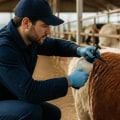
In the realm of farm animal care, understanding the importance of first aid is crucial for ensuring the health and well-being of livestock. Farm animals, whether they are cattle, sheep, pigs, or poultry, are susceptible to a variety of injuries and illnesses that can arise from their daily activities. Quick and effective first aid can mean the difference between a minor issue and a serious health crisis. By being prepared and knowledgeable about basic first aid techniques, farmers can provide immediate care that not only alleviates suffering but also promotes faster recovery. First aid in farm animal care encompasses a range of practices aimed at addressing emergencies before professional veterinary help can be obtained.
This includes recognizing signs of distress, administering basic treatments, and understanding when to seek further assistance. The ability to act swiftly in an emergency situation not only protects the individual animal but also contributes to the overall health of the herd or flock. Moreover, it fosters a sense of responsibility and compassion among those who work with these animals. As we delve deeper into specific first aid techniques, it is essential to appreciate that proper training and preparedness are key components of effective emergency care for animals. Farmers who invest time in learning these skills not only enhance their ability to respond to crises but also cultivate a safer environment for their animals.
In this way, first aid becomes an integral part of comprehensive animal health management on the farm.
Basic First Aid Supplies for Farm Animals
When it comes to farm animal care, having a well-stocked first aid kit is essential for addressing injuries and health issues promptly. Below are some of the essential first aid supplies that every farm should have on hand:- Antiseptic Solutions: Products like iodine or chlorhexidine are crucial for cleaning wounds and preventing infections.
- Bandages and Dressings: Various sizes of gauze pads, adhesive bandages, and elastic bandages are necessary for covering wounds and providing support.
- Scissors and Tweezers: A good pair of scissors can help cut bandages or remove foreign objects, while tweezers are useful for extracting splinters or thorns.
- Thermometer: A digital thermometer is vital for monitoring the temperature of sick animals, helping to identify fever or other health issues.
- Pain Relief Medications: Non-steroidal anti-inflammatory drugs (NSAIDs) specifically formulated for animals can help manage pain and inflammation.
- Saline Solution: This can be used for flushing wounds or eyes in case of injury.
- Vet Wrap: This self-adhesive bandage is perfect for securing dressings without sticking to the skin.
- Hydrogen Peroxide: Useful for cleaning wounds, but should be used cautiously as it can damage healthy tissue.
Common Injuries and How to Treat Them
Farm animals are prone to a variety of injuries due to their active lifestyles and the environments in which they live.Understanding common injuries and how to treat them is essential for effective farm animal care. Here are some frequent injuries and recommended first aid techniques:
- Wounds and Cuts: These can occur from sharp objects, fights with other animals, or accidents. Clean the wound gently with saline solution or clean water. Apply an antiseptic ointment and cover it with a sterile bandage.
Monitor for signs of infection, such as swelling or discharge.
- Sprains and Strains: Common in animals that run or jump frequently, sprains can cause pain and swelling. Rest the affected limb and apply a cold compress for 15-20 minutes to reduce swelling. If the injury is severe, consult a veterinarian.
- Fractures: If you suspect a fracture, keep the animal calm and still. Immobilize the limb using a splint made from wood or cardboard, ensuring it is padded to prevent further injury.
Seek veterinary assistance immediately.
- Heat Stress: Animals can suffer from heat stress during hot weather. Signs include excessive panting, drooling, and lethargy. Move the animal to a shaded area, provide cool water, and use wet towels to help lower their body temperature.
- Choking: This can happen if animals ingest foreign objects or food too quickly. If you notice signs of choking (coughing, pawing at the mouth), try to dislodge the object by performing a gentle Heimlich maneuver or using your fingers if safe to do so.
If unsuccessful, seek veterinary help.
Recognizing Signs of Illness in Farm Animals
Recognizing signs of illness in farm animals is essential for maintaining animal health and ensuring timely intervention. Early detection can significantly improve the chances of recovery and reduce the risk of spreading illness among the herd. Farm animals, like any other living beings, exhibit various symptoms when they are unwell. Here are some common signs to watch for:- Changes in Appetite: A sudden decrease or increase in food intake can indicate health issues.
Animals that refuse to eat may be experiencing pain or discomfort.
- Behavioral Changes: Look for signs of lethargy, isolation from the herd, or unusual aggression. These behavioral shifts can signal underlying health problems.
- Physical Symptoms: Observe for any visible signs such as coughing, nasal discharge, diarrhea, or abnormal swelling. These physical indicators often point to specific illnesses.
- Changes in Mobility: Difficulty walking or standing can suggest joint issues or injuries. Pay attention to any limping or reluctance to move.
- Temperature Fluctuations: A normal body temperature varies by species but generally ranges from 101°F to 103°F for most farm animals.
A temperature outside this range may indicate fever or infection.
Remember, prompt attention can make all the difference in farm animal care.
First Aid Techniques for Specific Farm Animals
When it comes to farm animal care, understanding specific first aid techniques for different types of animals is crucial. Each species has unique needs and potential health issues, so here are tailored first aid approaches for cows, horses, and pigs.First Aid for Cows
Cows are large animals that can suffer from various injuries and illnesses. Here are some essential first aid techniques:- Wound Care: Clean any cuts or abrasions with saline solution and apply a sterile bandage. Monitor for signs of infection.
- Colic Relief: If a cow shows signs of colic (restlessness, kicking at the belly), consult a veterinarian immediately.
In the meantime, keep the animal calm and avoid feeding until a vet arrives.
- Dehydration Treatment: If a cow is dehydrated, provide access to fresh water and consider administering electrolytes as directed by a vet.
First Aid for Horses
Horses are prone to injuries due to their size and activity level. Here are some first aid tips:- Bandaging: For minor wounds, clean the area with antiseptic and apply a non-stick bandage. Ensure it’s not too tight to avoid restricting blood flow.
- Heat Stress Management: If a horse shows signs of heat stress (excessive sweating, rapid breathing), move it to a shaded area and offer cool water. Use cool cloths on the neck and legs.
- Laminitis Signs: Watch for signs of laminitis (lameness, reluctance to move).
If suspected, limit movement and contact a veterinarian immediately.
First Aid for Pigs
Pigs can be surprisingly delicate despite their size. Here’s how to handle common issues:- Respiratory Distress: If a pig is coughing or having difficulty breathing, isolate it from the herd and consult a vet as respiratory issues can spread quickly.
- Skin Irritations: For skin irritations or abrasions, clean the area gently with mild soap and water. Apply an antibiotic ointment if necessary.
- Heat Stress Prevention: Pigs are susceptible to heat stress; ensure they have access to shade and cool water during hot weather.
When to Seek Professional Help
Understanding when to seek professional help for your farm animals is crucial for their health and well-being. While basic first aid techniques can be effective for minor injuries or illnesses, there are specific situations where the expertise of a veterinarian is necessary.- Severe Injuries: If an animal has sustained a serious injury, such as deep cuts, fractures, or severe bleeding, it is essential to call a vet immediately.
These conditions can lead to complications if not treated promptly.
- Signs of Illness: If you notice symptoms like persistent coughing, difficulty breathing, or unusual behavior, it may indicate a serious health issue. In such cases, professional evaluation is critical.
- Reproductive Issues: Complications during pregnancy or birthing can pose significant risks to both the mother and offspring. If you suspect any problems, contacting a veterinarian is vital.
- Poisoning: If you suspect that an animal has ingested a toxic substance, immediate veterinary care is necessary. Time is often of the essence in these situations.
- Unresponsive Animals: If an animal is unresponsive or in shock, this is a clear indication that emergency veterinary care is needed.
They can provide guidance on preventive care and help you recognize signs that require professional attention.Remember, while you can manage many minor issues with basic first aid knowledge, knowing when to call a vet can make all the difference in ensuring the health and safety of your farm animals.
Frequently Asked Questions About Farm Animal First Aid
When it comes to farm animal care, understanding first aid is crucial for any farmer. Here are some frequently asked questions that can help you navigate common situations:- What should I do if my animal is injured?
Assess the injury first. If it’s a minor cut, clean the area with antiseptic and apply a bandage. For more serious injuries, contact a veterinarian immediately. - How can I tell if my animal is in pain?
Look for signs such as limping, vocalizing, or changes in eating habits.Animals may also exhibit unusual behavior or aggression when in pain.
- What are some basic first aid supplies I should have on hand?
Essential supplies include:- Antiseptic solution
- Bandages and gauze
- Scissors
- Tweezers
- Thermometer
- Ice packs for swelling
- Can I administer medication to my animals?
Always consult with a veterinarian before giving any medication. Dosages can vary significantly between species and conditions. - What should I do if an animal is choking?
If you suspect choking, try to dislodge the object by gently patting the back or using your fingers if safe. If the animal cannot breathe, seek veterinary assistance immediately.
Conclusion: Key Takeaways on Farm Animal Care and First Aid Techniques
In conclusion, understanding first aid techniques for farm animals is essential for any farmer or animal caretaker.Being prepared can make a significant difference in the health and well-being of your livestock. Here are some key takeaways to remember:
- Know the Basics: Familiarize yourself with common first aid procedures such as wound care, bandaging, and recognizing signs of distress in animals.
- Have a First Aid Kit Ready: Equip your farm with a comprehensive first aid kit specifically designed for animals. This should include items like antiseptics, bandages, and medications.
- Regular Training: Participate in workshops or training sessions on animal care and first aid. Keeping your skills updated ensures you are ready to act in emergencies.
- Monitor Animal Health: Regularly check your animals for any signs of illness or injury.
Early detection can prevent more serious issues down the line.
- Consult Professionals: When in doubt, don’t hesitate to contact a veterinarian. They can provide guidance on more complex situations that require professional intervention.