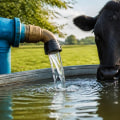
Access to fresh, clean drinking water is a fundamental aspect of farm animal care that significantly influences the health and productivity of livestock. Water is not just a basic necessity; it plays a crucial role in various physiological processes, including digestion, nutrient absorption, and temperature regulation. Without adequate hydration, animals can suffer from dehydration, which can lead to serious health issues and decreased productivity. For instance, dairy cows require substantial amounts of water to produce milk, while poultry need it for optimal growth and egg production. Moreover, the quality of water provided to farm animals cannot be overlooked.
Contaminated water sources can introduce harmful pathogens and toxins that compromise animal health. Regularly monitoring and maintaining water sources ensures that livestock have access to clean drinking water, which is essential for preventing diseases and promoting overall well-being. Farmers must be proactive in assessing their water supply systems, ensuring they are free from pollutants and adequately meeting the hydration needs of their animals. In addition to health benefits, providing consistent access to clean water can enhance the overall efficiency of farming operations. Healthy animals are more productive, leading to better yields in terms of milk, meat, or eggs.
This not only supports the economic viability of the farm but also contributes to sustainable agricultural practices. By prioritizing animal health and hydration, farmers can create a thriving environment that benefits both their livestock and their business.
Understanding the Water Needs of Different Farm Animals
Understanding the specific water needs of different farm animals is crucial for maintaining their health and productivity. Each species has unique hydration requirements influenced by factors such as size, age, and environmental conditions.Water Requirements for Cattle
Cattle are among the largest farm animals and have significant water needs. On average, an adult cow requires between 30 to 50 gallons of water per day, depending on factors like temperature and lactation status.During hot weather or when consuming dry feed, their water intake can increase substantially. It is essential to provide clean, fresh water at all times, as dehydration can lead to serious health issues.
Drinking Needs of Pigs
Pigs also have specific hydration needs that vary with their age and weight. Young piglets may require about 1 to 2 quarts of water daily, while adult pigs can consume up to 5 to 7 gallons per day. Ensuring that pigs have access to clean drinking water is vital for their growth and overall well-being.Additionally, pigs are known to prefer drinking from troughs or nipples, so providing the right type of water source can encourage adequate consumption.
Poultry Water Consumption
Poultry, including chickens and turkeys, have different hydration needs based on their size and age. For instance, a mature chicken may drink approximately 0.5 to 1 gallon of water per day. It is important to ensure that poultry have access to fresh water at all times, especially during hot weather when their consumption can increase significantly. Using automatic waterers can help maintain a consistent supply of clean water and reduce the risk of contamination.In summary, understanding the unique water requirements of cattle, pigs, and poultry is essential for effective farm animal care.By providing adequate hydration tailored to each species' needs, farmers can promote better health outcomes and enhance productivity on their farms.
Sources of Fresh Water for Farm Animals
Ensuring that farm animals have access to fresh, clean drinking water is crucial for their health and productivity. Farmers can choose from various sources of fresh water, each with its own advantages and disadvantages.Natural Water Sources
- Natural Springs: These are often the best option for livestock, providing a continuous supply of fresh water. However, they may require additional filtration to remove contaminants.
- Ponds and Streams: While these can be good sources, they are susceptible to pollution from runoff and may not always provide clean water. Regular monitoring is essential.
Artificial Water Supplies
- Wells: Drilling a well can provide a reliable source of water.
The quality depends on the depth and location, but it often requires testing and treatment to ensure safety.
- Municipal Water Supply: This is a convenient option for many farmers, as it typically meets safety standards. However, it can be costly, especially for larger operations.
Water Quality Management Practices
Ensuring that farm animals have access to fresh, clean drinking water is crucial for their health and productivity.Water quality management practices play a vital role in maintaining a safe water supply for livestock. Here are some essential strategies to consider:
Regular Water Quality Testing
Conducting water quality testing on a regular basis is fundamental to identifying potential contaminants. Farmers should test for:- Bacteria: Pathogens can lead to serious health issues in livestock.
- Nutrients: Excessive nitrates or phosphates can indicate runoff from fertilizers.
- pH Levels: Water that is too acidic or alkaline can affect animal health.
- Heavy Metals: Contaminants like lead or arsenic can be harmful even in small amounts.
Maintaining a Clean Water Supply
To maintain a clean water supply, farmers should implement the following practices:- Regular Cleaning: Water troughs and tanks should be cleaned regularly to remove algae, sediment, and debris.
- Proper Placement: Position water sources away from manure piles and feeding areas to minimize contamination risks.
- Use of Covers: Installing covers on water troughs can prevent debris and animals from contaminating the water.
Preventing Contamination
Preventing contamination is essential for ensuring the safety of drinking water. Here are some effective measures:- Fencing: Use fencing to keep livestock away from natural water sources that may be contaminated.
- Silt Fencing: Install silt fences around ponds or streams to reduce runoff into drinking water sources.
- Pest Control: Implement pest control measures to prevent rodents and other animals from accessing water supplies.
Innovative Solutions for Providing Water to Farm Animals
Ensuring that farm animals have access to fresh, clean drinking water is crucial for their health and productivity.Fortunately, modern technology has introduced a variety of innovative solutions that can help farmers achieve this goal efficiently.
Automatic Waterers for Livestock
- Automatic waterers are designed to provide a continuous supply of fresh water without the need for manual filling. These systems can be connected to a water source and are equipped with float valves that maintain the desired water level.
- Many automatic waterers are insulated to prevent freezing in colder climates, ensuring that animals have access to water year-round.
- Some models even feature heated elements that keep the water at a suitable temperature, promoting hydration during winter months.
Innovative Watering Systems for Farms
- Smart watering systems utilize sensors and IoT technology to monitor water levels and quality. These systems can alert farmers when water is low or contaminated, allowing for quick action.
- Some advanced systems can even adjust the flow rate based on the number of animals drinking, ensuring that all livestock have adequate access to hydration.
- Mobile apps linked to these systems provide real-time data, enabling farmers to manage their resources more effectively from anywhere on the farm.
Technology in Animal Hydration
- The integration of solar-powered pumps is another innovative solution that can help farmers provide water in remote areas without relying on electricity. These pumps can draw water from wells or ponds and supply it directly to automatic watering stations.
- Water filtration systems can also be incorporated into watering solutions to ensure that the water provided is free from harmful contaminants, further safeguarding animal health.
This not only improves animal welfare but also boosts overall farm productivity.
Seasonal Considerations for Water Access
Seasonal changes significantly impact the water needs of farm animals, and understanding these variations is crucial for effective farm animal care. During winter months, the availability of fresh water can be compromised due to freezing temperatures. To ensure that livestock have access to clean drinking water, farmers should consider the following strategies:- Insulated Water Troughs: Use insulated or heated water troughs to prevent freezing. This ensures that animals have access to liquid water even in the coldest conditions.
- Regular Monitoring: Check water supplies multiple times a day to ensure they are not frozen and remain clean.
- Alternative Water Sources: In extreme conditions, consider using heated buckets or automatic waterers that maintain a consistent temperature.
Heat stress can lead to decreased productivity and health issues, making it essential to implement effective hydration strategies. Here are some tips for summer:
- Increased Water Supply: Ensure that there is an ample supply of fresh water available at all times. Animals may drink up to twice as much water in hot weather.
- Shade and Cooling Areas: Provide shaded areas near water sources to encourage animals to hydrate more frequently.
- Monitor Water Quality: Regularly check for algae growth or contamination in water sources, as warm weather can promote these issues.
Common Challenges in Providing Drinking Water to Farm Animals
Providing fresh, clean drinking water to farm animals is essential for their health and productivity, yet farmers often encounter several challenges in maintaining adequate hydration.Understanding these challenges can help in implementing effective solutions.
Common Challenges
- Water Supply Interruptions: One of the most significant issues is the interruption of water supply due to equipment failure or environmental factors. Pumps can break down, pipes may freeze or burst, and natural disasters can disrupt access to water sources.
- Contamination: Water sources can become contaminated with bacteria, algae, or chemicals, posing health risks to livestock. Regular testing and monitoring are crucial to ensure water quality.
- Inadequate Watering Systems: Many farms rely on outdated or poorly designed watering systems that do not provide sufficient water flow or accessibility for all animals. This can lead to competition for water and stress among livestock.
- Seasonal Variations: Seasonal changes can affect water availability.
In hot weather, animals require more water, while freezing temperatures can limit access to open water sources.
Troubleshooting Solutions
To address these challenges, farmers can implement several strategies:- Regular Maintenance: Schedule routine checks on all watering systems and equipment to identify potential issues before they become critical.
- Invest in Quality Equipment: Upgrading to modern watering systems that are designed for efficiency and durability can significantly reduce problems related to supply interruptions.
- Water Quality Testing: Conduct regular tests for contaminants and ensure that any issues are promptly addressed through filtration or treatment systems.
- Diverse Water Sources: Establish multiple sources of water, such as ponds, tanks, or wells, to ensure a backup supply in case one source fails.
FAQs About Farm Animal Water Needs
Ensuring that farm animals have access to fresh, clean drinking water is crucial for their health and productivity. Here are some frequently asked questions regarding farm animal care and hydration:How much water do cows need daily?
Cows are large animals with significant hydration needs. On average, a mature cow requires between 30 to 50 gallons of water per day, depending on factors such as size, diet, and environmental conditions. During hot weather or lactation, this requirement can increase substantially.It's essential to monitor their water intake closely to ensure they remain hydrated.
Can animals drink dirty water?
No, animals should not drink dirty water. Contaminated water can lead to serious health issues, including gastrointestinal diseases and infections.Dirty water
may contain harmful bacteria, parasites, or chemicals that can adversely affect animal health. Farmers should regularly check and clean water sources to prevent contamination.Best practices for watering livestock
- Regularly clean water troughs: Ensure that all watering equipment is cleaned frequently to remove algae, debris, and contaminants.
- Provide adequate access: Ensure that all animals have easy access to water at all times, especially during peak drinking times.
- Monitor water temperature: Animals prefer cool water; therefore, consider using insulated tanks or shaded areas to keep the water at a comfortable temperature.
- Check for leaks: Regularly inspect watering systems for leaks or malfunctions that could lead to inadequate supply.
- Use automatic waterers: These can help maintain a constant supply of fresh water and reduce the need for manual refilling.
Conclusion: Key Takeaways on Farm Animal Care and Hydration
In conclusion, ensuring that farm animals have access to fresh, clean drinking water is a fundamental aspect of farm animal care.The health and productivity of livestock are directly linked to their hydration levels, making it essential for farmers to prioritize this need. Here are the key takeaways regarding hydration for farm animals:
- Regular Monitoring: Farmers should routinely check water sources to ensure they are clean and free from contaminants. This includes inspecting troughs, tanks, and any other water delivery systems.
- Quality Over Quantity: While it’s important to provide sufficient water, the quality of that water is equally crucial. Animals should have access to water that is free from pollutants and harmful substances.
- Temperature Control: Water temperature can affect animal consumption. Providing cool, fresh water during hot weather can encourage drinking and help prevent heat stress.
- Accessibility: Water sources should be easily accessible to all animals in the herd.
This may involve placing multiple water stations in different areas of the pasture or barn.
- Regular Maintenance: Keeping water troughs and tanks clean through regular maintenance helps prevent algae growth and other contaminants that can deter animals from drinking.