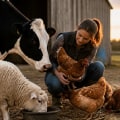
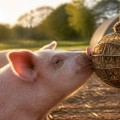
Ensuring that farm animals have access to fresh air and sunlight is a fundamental aspect of farm animal care that significantly impacts their overall health and well-being. Just as humans thrive in environments filled with natural light and clean air, livestock also benefit immensely from these essential elements. Fresh air helps to reduce the concentration of harmful pathogens and ammonia in the environment, which can lead to respiratory issues and other health problems. Moreover, exposure to sunlight plays a crucial role in the synthesis of vitamin D, which is vital for calcium absorption and overall bone health. The benefits of sunlight extend beyond just physical health; it also influences the behavioral patterns of animals.
Animals that are allowed to bask in the sun tend to exhibit more natural behaviors, leading to reduced stress levels and improved mental well-being. This is particularly important for social animals, as a calm environment fosters better interactions within herds or flocks. Furthermore, adequate exposure to sunlight can enhance reproductive performance in some species, making it a key factor in successful breeding programs. Incorporating strategies that promote access to fresh air and sunlight not only supports the immediate health of farm animals but also contributes to long-term productivity and sustainability on the farm. As we delve deeper into specific practices that farmers can implement, it becomes clear that prioritizing these natural elements is not just beneficial but essential for maintaining a thriving agricultural operation.
Understanding Animal Needs: Fresh Air and Sunlight Requirements
Ensuring that farm animals have access to fresh air and sunlight is crucial for their health and well-being.Different species have varying requirements, and understanding these needs is essential for effective farm animal care.
Cattle
, for instance, thrive in environments where they can roam freely. They require ample space to move around, which allows them to access fresh air and sunlight. Providing shaded areas is also important, as it helps them regulate their body temperature during hot weather.
Pigs
are another species that benefit significantly from outdoor access. They enjoy rooting in the soil and basking in the sun, which not only fulfills their natural behaviors but also contributes to their overall health.
A well-ventilated barn or shelter can help protect them from harsh weather while still allowing for adequate airflow.
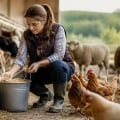
Poultry
, including chickens and ducks, require both fresh air and sunlight for optimal health. Outdoor access is vital for their physical and mental well-being. Sunlight helps in the production of vitamin D, which is essential for strong bones and overall vitality. Additionally, providing a dust bath area allows birds to maintain their feathers and skin health.To meet animal welfare standards, farmers should consider the following:
- Designing barns with large windows or ventilation systems that promote airflow.
- Creating outdoor spaces where animals can engage in natural behaviors.
- Implementing rotational grazing practices to ensure that pastures remain healthy and provide adequate sunlight exposure.
By prioritizing these environmental factors, farmers can enhance the quality of life for their animals while also adhering to best practices in farm animal care.
Designing Animal Housing for Optimal Airflow and Sunlight Exposure
When it comes to farm animal care, the design of animal housing plays a crucial role in ensuring that livestock have access to fresh air and sunlight. Proper architectural considerations can significantly enhance the well-being of animals, leading to improved health and productivity.Key Design Strategies for Animal Housing
- Orientation: Positioning barns and shelters to maximize exposure to natural light is essential. South-facing structures can capture sunlight throughout the day, providing warmth and light.
- Ventilation Systems: Implementing effective ventilation systems is vital for maintaining air quality. Natural ventilation can be achieved through strategically placed windows, vents, and roof overhangs that allow for cross-breezes.
- Open Spaces: Incorporating open areas within the shelter design allows animals to move freely in and out, promoting their access to fresh air and sunlight.
This can be achieved through the use of large doors or removable panels.
- Materials: Using materials that reflect light can enhance the brightness inside the shelter. Light-colored roofing and walls can help in maximizing sunlight penetration.
Implementing Effective Ventilation Systems
A well-designed ventilation system is essential for maintaining a healthy environment within animal housing. Here are some effective strategies:- Natural Ventilation: Utilize windows and vents that can be opened to allow fresh air in while letting stale air out. This method is cost-effective and energy-efficient.
- Mechanical Ventilation: In larger barns, consider installing fans that can help circulate air, especially during hot weather.
Exhaust fans can also remove excess moisture and odors.
- Airflow Patterns: Design the layout of stalls and pens to promote optimal airflow. Avoid creating dead zones where air stagnates, as this can lead to respiratory issues in animals.
Utilizing Pasture and Outdoor Spaces Effectively
Ensuring that farm animals have access to fresh air and sunlight is crucial for their health and well-being. One of the most effective ways to achieve this is through pasture management. By utilizing outdoor spaces wisely, farmers can create an environment that promotes natural behaviors and enhances animal welfare.Pasture management
involves planning and maintaining grazing areas to optimize the health of both the land and the animals.Here are some strategies to consider:
- Rotational Grazing: This method involves moving animals between different pastures to prevent overgrazing. By allowing grass to recover, farmers can maintain a healthy pasture ecosystem, which in turn provides better nutrition for the animals.
- Seasonal Access: Depending on the climate, farmers should plan seasonal access to pastures. In warmer months, animals can spend more time outdoors, while in colder months, they may need shelter but still benefit from outdoor access during milder days.
- Shade and Shelter: Providing shaded areas within pastures is essential, especially in hot weather. Trees or constructed shelters can protect animals from extreme temperatures while still allowing them to enjoy fresh air.
- Water Sources: Ensuring that there are clean water sources available in pastures encourages animals to spend more time outdoors.
Fresh water is vital for hydration and overall health.
Monitoring Environmental Conditions: Tools and Techniques
Ensuring that farm animals have access to fresh air and sunlight is crucial for their health and well-being. To achieve this, farmers can utilize various tools and techniques to monitor environmental conditions effectively.Monitoring Air Quality on Farms
Air quality is a significant factor in animal health.Farmers can use air quality monitors to measure levels of ammonia, carbon dioxide, and particulate matter in the barn or pasture. These devices provide real-time data, allowing farmers to take immediate action if air quality falls below acceptable levels. Regularly checking ventilation systems and ensuring they are functioning properly can also help maintain optimal air quality.
Tools for Measuring Sunlight Exposure
Sunlight exposure is essential for animals, as it helps regulate their circadian rhythms and promotes vitamin D synthesis. Farmers can employ light meters to measure the intensity of sunlight in different areas of their farm.This information can guide decisions about where to place shelters or grazing areas to maximize sunlight exposure while providing shade during the hottest parts of the day.
Environmental Control in Animal Care
In addition to monitoring tools, farmers can implement environmental control systems. These systems can include automated ventilation fans that adjust based on temperature and humidity readings, ensuring a consistent flow of fresh air. Furthermore, using sensors that track temperature and humidity levels can help farmers create a comfortable environment for their animals.By integrating these monitoring tools and techniques into their daily routines, farmers can significantly enhance the living conditions for their animals, ensuring they have ample access to fresh air and sunlight.Best Practices from Successful Farmers
Successful farmers understand that access to fresh air and sunlight is crucial for the health and well-being of their animals. Here are some best practices derived from their experiences:- Rotational Grazing: Many farmers implement rotational grazing systems, allowing animals to move between pastures.
This not only provides fresh grass but also ensures that animals have ample exposure to sunlight and fresh air.
- Open Barn Designs: Farmers like Jane Doe from Green Valley Farms have adopted open barn designs that incorporate large windows and ventilation systems. This allows for natural light to flood in while maintaining airflow, creating a comfortable environment for livestock.
- Outdoor Access: Successful farmers often provide outdoor access for their animals throughout the day. For instance, John Smith of Sunny Acres ensures that his chickens have a secure outdoor run where they can bask in the sun and forage, promoting natural behaviors.
She emphasizes that animal welfare is directly linked to their access to natural elements.Moreover, case studies reveal that farms implementing these strategies report lower veterinary costs and improved animal health. By prioritizing farm animal care, these farmers not only enhance the quality of life for their animals but also increase overall farm productivity.
FAQs About Farm Animal Care Related to Fresh Air and Sunlight
Farmers often have questions about how to best provide fresh air and sunlight for their animals, as these elements are crucial for maintaining livestock health and overall animal welfare. Here are some frequently asked questions:- Why is fresh air important for farm animals?
Fresh air helps to reduce the buildup of harmful gases and pathogens in animal housing. It promotes better respiratory health and can prevent diseases that thrive in stale environments. - How much sunlight do farm animals need?
Animals benefit from exposure to sunlight as it aids in vitamin D synthesis, which is essential for bone health.Ideally, animals should have access to sunlight for several hours a day, depending on the species and climate.
- What are some effective ways to ensure my animals get enough fresh air?
- Ensure proper ventilation in barns and shelters.
- Use open-sided barns or shelters that allow for airflow.
- Rotate grazing areas to prevent overcrowding and promote natural behaviors. - How can I create shaded areas for my animals?
Providing shade is essential during hot weather. You can:
- Plant trees or shrubs in pastures.
- Use tarps or shade cloths in outdoor areas.
- Construct shelters that offer both shade and ventilation. - What are the signs of inadequate fresh air and sunlight exposure?
Look for signs such as:
- Increased respiratory issues (coughing, nasal discharge).
- Behavioral changes (restlessness, lethargy).
- Poor coat condition or skin problems.
Conclusion: Key Takeaways for Farmers on Animal Welfare
In conclusion, ensuring that farm animals have access to fresh air and sunlight is a fundamental aspect of farm animal care that directly impacts their health and well-being. Throughout this article, we have explored various strategies that farmers can implement to enhance the living conditions of their livestock.- Natural Ventilation: Implementing proper ventilation systems in barns and shelters allows for the circulation of fresh air, reducing the buildup of harmful gases and maintaining a comfortable environment for animals.
- Outdoor Access: Providing animals with regular access to outdoor spaces not only exposes them to sunlight but also encourages natural behaviors, which are essential for their mental and physical health.
- Shade and Shelter: While sunlight is beneficial, it is equally important to offer shaded areas where animals can retreat during hot weather, preventing heat stress and ensuring their comfort.
- Monitoring Health: Regular health checks can help identify any issues related to inadequate exposure to fresh air and sunlight, allowing farmers to make timely adjustments to their management practices.
The benefits of fresh air and sunlight extend beyond mere comfort; they contribute to improved growth rates, better reproductive performance, and enhanced overall animal welfare. As stewards of the land and livestock, it is crucial for farmers to recognize the significant role that environmental factors play in the health of their animals.Ultimately, investing in animal welfare through thoughtful management practices not only fulfills ethical responsibilities but also leads to sustainable farming operations that can thrive in the long term.