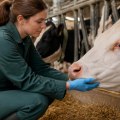
Introducing new animals to an existing herd or flock is a critical process that requires careful planning and consideration.
Farm animal care
goes beyond just feeding and sheltering; it encompasses the health and well-being of all animals involved. Proper introductions can significantly reduce stress and aggression, ensuring a harmonious environment for both new and existing members of the group. When done correctly, these introductions can lead to a thriving community where animals feel safe and secure. On the other hand, improper introductions can lead to a host of problems, including increased stress levels, injuries, and even disease transmission.Animals are social creatures, but they also have established hierarchies and social structures that can be disrupted by the sudden addition of newcomers. Understanding the dynamics of your herd or flock is essential for successful integration. This not only protects the health of your animals but also enhances their overall productivity and well-being. In this section, we will explore the importance of proper introductions in detail, highlighting the potential risks associated with neglecting this crucial step in flock management. By recognizing the significance of thoughtful integration strategies, you can ensure that your farm remains a safe haven for all its inhabitants.
Assessing Your Current Herd or Flock Dynamics
Before introducing new animals to your existing herd or flock, it is crucial to assess the current social structure and behavior of your animals.Understanding these dynamics will help ensure a smoother integration process and minimize stress for both the new and existing animals.Start by observing the interactions among your current animals. Look for signs of dominance and submissiveness, as well as any established hierarchies. This can often be seen in how they feed, groom, and interact with one another. Take note of:
- Feeding behavior: Are there specific animals that dominate feeding areas? This can indicate a pecking order that new animals will need to navigate.
- Grooming habits: Animals that groom each other are often more socially bonded.
Understanding these relationships can help you predict how new introductions might affect group dynamics.
- Resting patterns: Where do the animals prefer to rest? Territorial disputes can arise if new animals invade these spaces.
By taking the time to understand your existing herd or flock dynamics, you can create a more harmonious environment for all animals involved.
Choosing the Right Time for Introduction
Introducing new animals to an existing herd or flock requires careful consideration of timing. The right moment can significantly influence the success of the integration process. Here are some key factors to consider:- Seasonal Considerations: The time of year plays a crucial role in animal behavior and health. Spring and early summer are often ideal for introductions, as animals are more active and social during warmer months.
Additionally, the availability of fresh pasture can reduce stress and competition for resources.
- Animal Behavior: Understanding the social dynamics of your existing herd is essential. Animals have established hierarchies, and introducing newcomers during a period of high stress—such as during breeding season or when food is scarce—can lead to aggression and conflict. Observing the herd's behavior can help you identify a calmer period for introductions.
- Health Status: Ensure that all animals, both new and existing, are in good health before any introduction. Quarantine new arrivals for at least two weeks to monitor for signs of illness.
This practice not only protects your current animals but also allows newcomers to acclimate to their new environment.
Preparing for the Introduction Process
Introducing new animals to an existing herd or flock requires careful preparation to ensure a smooth transition and maintain the health and well-being of all animals involved. Here are some essential steps to consider:- Health Checks: Before introducing new animals, conduct thorough health checks.
This includes vaccinations, deworming, and checking for any signs of illness. It's advisable to keep new animals in quarantine for at least two weeks to monitor their health and prevent the spread of diseases.
- Housing Setup: Ensure that the housing arrangements are suitable for the new animals. This may involve creating separate pens or enclosures that allow for gradual introduction. The new animals should have access to clean water, appropriate bedding, and shelter from harsh weather conditions.
- Feeding Strategies: Adjust feeding strategies to accommodate the dietary needs of both the existing herd and the newcomers.
Gradually introduce the new animals to the same feed as the existing ones to avoid digestive issues. Monitor their eating habits closely during this transition.
- Introduce animals during a time when they are less active, such as early morning or late evening.
- Use visual barriers initially, allowing them to see each other without direct contact.
- Observe their interactions closely during the initial introductions, ready to intervene if necessary.
The Introduction Process: Step-by-Step Guide
Introducing new animals to an existing herd or flock requires careful planning and execution to ensure a smooth transition.Here’s a step-by-step guide to help you through the process:
- Preparation: Before bringing new animals onto your farm, ensure that they are healthy and free from diseases. Quarantine them for at least two weeks in a separate area to monitor their health and prevent the spread of any potential illnesses.
- Familiarization: Allow the existing animals to become familiar with the new arrivals without direct contact. This can be done by placing the new animals in a pen adjacent to the existing herd or flock. This way, they can see and hear each other, reducing the shock of a direct introduction.
- Gradual Integration: After a week or two of familiarization, start introducing the new animals to the existing group gradually.
Begin with short, supervised interactions. Monitor their behavior closely during these initial meetings.
- Monitoring Behavior: Pay attention to signs of stress or aggression from both the new and existing animals. Look for behaviors such as excessive vocalization, posturing, or attempts to isolate themselves. If any aggressive behavior occurs, separate the animals immediately and try again later.
- Increasing Interaction Time: As the animals become more comfortable with each other, gradually increase the duration of their interactions.
Continue to supervise these meetings until you are confident that they can coexist peacefully.
- Full Integration: Once you observe positive interactions and minimal signs of stress, you can allow the new animals to join the herd or flock full-time. However, continue to monitor their behavior for several weeks as they adjust to their new environment.
Monitoring and Adjusting Post-Introduction
Once new animals have been introduced to an existing herd or flock, post-introduction monitoring becomes crucial for ensuring the well-being of all animals involved. This phase is essential for identifying any signs of stress or conflict that may arise as the animals adjust to their new social dynamics.Behavioral Adjustments
- Observe the body language of both the new and existing animals. Signs of aggression, such as raised hackles or pinned ears, can indicate that tensions are high.
- Look for signs of submission in the new animals, such as avoiding eye contact or retreating to corners.
These behaviors can help you gauge how well they are integrating.
- Monitor feeding patterns; if the new animals are being bullied away from food, it may be necessary to provide additional feeding stations to reduce competition.
Conflict Resolution
- If conflicts arise, it may be beneficial to separate the animals temporarily. This allows them to calm down and reduces stress levels.
- Consider using visual barriers, such as fencing or panels, to give the new animals a safe space while they acclimate.
- Gradually reintroduce the animals after a cooling-off period, allowing them to interact under more controlled conditions.
Common Challenges and Solutions During Introductions
Introducing new animals to an existing herd or flock can present several challenges that require careful management to ensure the well-being of all animals involved.Understanding these challenges and implementing effective conflict resolution strategies is crucial for successful integration.
Common Challenges
- Dominance Hierarchies: Established animals may perceive newcomers as threats, leading to aggressive behavior as they establish their social order.
- Stress and Anxiety: New animals can experience stress from unfamiliar environments and social dynamics, which may lead to behavioral issues.
- Health Risks: Introducing new animals without proper health checks can pose risks of disease transmission to the existing herd.
Solutions to Overcome Challenges
- Gradual Introductions: Start by allowing the new animals to observe the existing herd from a distance. This helps reduce stress and allows for initial acclimatization.
- Separate Spaces: Use pens or enclosures to keep new animals separate but visible to the existing herd. This can help them get used to each other without direct contact.
- Supervised Interactions: Once the animals seem comfortable, allow short, supervised interactions. Monitor their behavior closely for signs of aggression or distress.
- Provide Adequate Resources: Ensure there are enough feeding and watering stations, as well as shelter, to minimize competition and reduce stress among all animals.
- Health Checks: Before introducing new animals, conduct thorough health checks and vaccinations to prevent disease spread within the herd.
FAQs About Introducing New Animals to Herds or Flocks
Introducing new animals to an existing herd or flock can be a challenging process, and many farmers have questions about how to do it effectively.Here are some frequently asked questions that can help guide you through this important aspect of farm animal care.
What is the best way to introduce new animals?
The best way to introduce new animals is through a gradual process. Start by keeping the new animals in a separate enclosure where they can see and hear the existing herd or flock without direct contact. This allows them to acclimate to each other’s presence.How long should I keep new animals separated?
It is generally recommended to keep new animals separated for at least two weeks. This period allows for observation of any signs of illness and helps the new animals adjust to their new environment.What signs should I look for during the introduction process?
- Aggression: Watch for any signs of fighting or bullying among the animals.
- Stress: Look for signs of stress such as excessive vocalization, pacing, or refusal to eat.
- Health issues: Monitor both the new and existing animals for any signs of illness.
Can I use food to help with the introduction?
Yes, using food can be an effective way to facilitate introductions.Offering treats or feed near the fence line can create positive associations between the new and existing animals. Gradually move the feeding closer together as they become more comfortable with each other.
What should I do if there is aggression?
If aggression occurs, it’s important to separate the animals immediately. Allow them time apart before attempting another introduction. Sometimes, introducing them in smaller groups can help ease tensions.By following these guidelines and being patient, you can successfully integrate new animals into your herd or flock, ensuring a harmonious environment that promotes good farm animal care.Conclusion: Key Takeaways for Successful Animal Introductions
Successfully introducing new animals to an existing herd or flock is a critical aspect of farm animal care that requires careful planning and execution.Here are the key takeaways to ensure a smooth transition:
- Assess Compatibility: Before introducing new animals, evaluate their compatibility with the existing herd. Consider factors such as species, age, and temperament to minimize stress and aggression.
- Quarantine New Arrivals: Always quarantine new animals for at least two weeks. This practice helps prevent the spread of diseases and allows you to monitor their health before they interact with your established animals.
- Gradual Introduction: Introduce new animals gradually. Start by allowing them to see and smell each other through a fence or barrier.
This step helps reduce anxiety and territorial behavior.
- Supervised Interactions: Once the initial introductions are made, supervise interactions closely. Look for signs of aggression or stress, and be prepared to separate the animals if necessary.
- Provide Adequate Resources: Ensure that there are enough resources such as food, water, and shelter for all animals. This reduces competition and helps maintain harmony within the group.