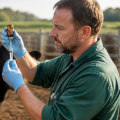
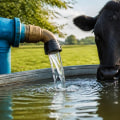
Effective farm animal care is a cornerstone of successful agricultural practices, directly influencing the health and productivity of livestock. Understanding the significance of maintaining optimal animal health is essential for farmers who aim to enhance their yields and ensure the sustainability of their operations. Healthy animals not only contribute to higher production rates but also reduce the risk of disease outbreaks that can devastate entire herds. When farmers prioritize animal health, they create a robust foundation for their farming endeavors. This involves implementing comprehensive care strategies that encompass proper nutrition, regular veterinary check-ups, and effective biosecurity measures.
By fostering an environment where animals can thrive, farmers can mitigate the risks associated with diseases that may arise from poor living conditions or inadequate care. Moreover, the importance of disease prevention in livestock cannot be overstated. Preventative measures not only safeguard the well-being of the animals but also protect the economic viability of the farm. Investing time and resources into understanding and applying best practices in animal care leads to healthier livestock, which in turn supports a more resilient agricultural system. As we delve deeper into specific strategies for preventing diseases in farm animals, it becomes clear that a proactive approach to animal care is essential for any farmer committed to long-term success.
Common Diseases Affecting Farm Animals
Farm animals are susceptible to a variety of diseases that can significantly impact their health and productivity.Understanding these common diseases is essential for farmers to implement effective farm animal care practices.
- Foot and Mouth Disease (FMD) : This highly contagious viral disease affects cloven-hoofed animals, including cattle, sheep, and pigs. Symptoms include fever, blisters in the mouth and on the feet, and excessive salivation. Early detection is crucial to prevent outbreaks.
- Brucellosis : Caused by bacteria, brucellosis primarily affects cattle and can lead to reproductive issues such as abortions and infertility. Symptoms may not be immediately apparent, making regular testing vital for herd health.
- Avian Influenza : Commonly known as bird flu, this viral infection affects poultry.
Symptoms include respiratory distress, decreased egg production, and sudden death in severe cases. Biosecurity measures are essential to prevent its spread.
- Porcine Reproductive and Respiratory Syndrome (PRRS) : This disease affects pigs and can cause reproductive failure in breeding stock and respiratory issues in young pigs. Symptoms include coughing, difficulty breathing, and poor weight gain.
- Johne's Disease : A chronic intestinal disease in cattle caused by the bacterium Mycobacterium avium paratuberculosis. Symptoms include weight loss, diarrhea, and decreased milk production.
It is often difficult to diagnose in early stages.
Best Practices for Disease Prevention
Preventing diseases in farm animals is crucial for maintaining a healthy herd and ensuring the productivity of a farm.Implementing effective disease prevention strategies can significantly reduce the risk of outbreaks and promote overall animal welfare.
Farm Animal Hygiene
One of the most effective ways to prevent disease is through rigorous farm animal hygiene. This includes:- Regular Cleaning: Ensure that animal housing, feeding areas, and water sources are cleaned and disinfected regularly to eliminate pathogens.
- Proper Waste Management: Dispose of manure and waste promptly to prevent the buildup of harmful bacteria and parasites.
- Isolation of New Animals: Quarantine new or sick animals before introducing them to the herd to prevent the spread of diseases.
Vaccination Protocols
Establishing a comprehensive vaccination protocol is essential for protecting farm animals from infectious diseases. Farmers should:- Consult with Veterinarians: Work with a veterinarian to develop a vaccination schedule tailored to the specific needs of the herd, considering factors such as age, species, and local disease prevalence.
- Keep Records: Maintain accurate records of vaccinations administered to ensure compliance and monitor the health status of animals.
- Stay Updated: Regularly review and update vaccination protocols based on emerging diseases and advancements in veterinary medicine.
Biosecurity Measures
Biosecurity measures are critical in preventing disease transmission on farms. Key practices include:- Controlled Access: Limit access to farm facilities to essential personnel only, reducing the risk of introducing pathogens from outside sources.
- Protective Clothing: Require visitors and workers to wear clean clothing and footwear when entering animal areas to minimize contamination.
- Monitoring Health: Regularly monitor the health of animals for any signs of illness and respond promptly to any health issues that arise.
Nutrition and Its Role in Animal Health
Proper nutrition is a cornerstone of effective farm animal care, playing a crucial role in maintaining the health and productivity of livestock.A well-balanced diet not only supports growth and reproduction but also enhances the immune system, making animals less susceptible to diseases.Each species of farm animal has specific dietary requirements that must be met to ensure optimal health. For instance, ruminants like cattle and sheep require a diet rich in fiber, while monogastric animals such as pigs and poultry benefit from higher protein levels. Understanding these needs is essential for farmers aiming to prevent nutritional deficiencies that can lead to health issues.
Key Components of Animal Nutrition
- Energy Sources: Carbohydrates and fats are vital for providing energy. Ensuring that animals receive adequate energy helps maintain their overall vitality.
- Proteins: Essential for growth, repair, and immune function, proteins should be sourced from high-quality feed ingredients.
- Vitamins and Minerals: Micronutrients play a significant role in metabolic processes.
A deficiency in vitamins or minerals can lead to various health problems.
- Regular Feeding Schedule: Consistency in feeding times helps regulate digestion and nutrient absorption.
- Quality Feed: Always choose high-quality feed that is free from contaminants and mold, as poor-quality feed can lead to health complications.
- Monitoring Body Condition: Regularly assessing the body condition of livestock can help identify nutritional imbalances early on.
Monitoring Animal Health: Signs to Watch For
Regular monitoring of animal health is crucial for preventing diseases in livestock. Farmers should develop a routine that includes daily observations and scheduled health checks to ensure their animals are thriving.Signs of Illness in Livestock
Recognizing the early signs of illness can make a significant difference in the health of farm animals. Here are some common indicators to watch for:- Changes in Appetite: A sudden decrease or increase in feed intake can signal health issues.
- Behavioral Changes: Isolating from the herd, lethargy, or unusual aggression may indicate discomfort or illness.
- Physical Symptoms: Look for signs such as coughing, nasal discharge, diarrhea, or abnormal swelling.
- Changes in Coat Condition: A dull or rough coat can be a sign of nutritional deficiencies or illness.
Conducting Effective Health Checks
Farmers can implement systematic health checks to monitor their animals effectively.Here are some guidelines:
- Establish a Routine: Schedule regular health checks based on the type of livestock and their specific needs.
- Keep Records: Document any changes in behavior, appetite, and physical condition to identify patterns over time.
- Involve Professionals: Consult with veterinarians for comprehensive health assessments and vaccinations.
The Role of Veterinary Care in Disease Prevention
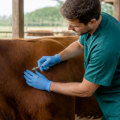
Veterinary care is a cornerstone of effective farm animal care, playing a pivotal role in the prevention of diseases among livestock. Establishing a strong relationship with a veterinarian can significantly enhance the health and productivity of farm animals.Regular Veterinary Check-Ups
- Routine check-ups are essential for early detection of potential health issues. During these visits, veterinarians can assess the overall health of the animals, identify any signs of illness, and recommend appropriate interventions.
- These check-ups often include physical examinations, blood tests, and other diagnostic procedures that help in monitoring the health status of livestock.
Vaccinations and Preventive Care
- Vaccinations are a critical component of disease prevention. A veterinarian can create a tailored vaccination schedule based on the specific needs of the farm and its animals.
- Preventive care also includes deworming and parasite control, which are vital for maintaining the health of livestock and preventing disease outbreaks.
Disease Management Plans
- A veterinarian can help farmers develop comprehensive disease management plans that outline strategies for monitoring animal health, implementing biosecurity measures, and responding to potential outbreaks.
- These plans should be regularly reviewed and updated to adapt to changing conditions on the farm or emerging health threats.
By prioritizing regular check-ups, vaccinations, and tailored treatment plans, farmers can safeguard their livestock's health and ensure a thriving agricultural operation.
Implementing Biosecurity Measures on the Farm
Implementing biosecurity measures on the farm is crucial for preventing disease outbreaks among farm animals. These measures not only protect the health of the animals but also ensure the safety of the entire farming operation.Visitor Protocols
- Establish clear guidelines for visitors, including mandatory handwashing and wearing clean clothing and footwear before entering animal areas.
- Limit access to essential personnel only, and maintain a visitor log to track who enters and exits the farm.
- Educate visitors about the importance of biosecurity and the potential risks they may pose to animal health.
- Regularly clean and disinfect all equipment used on the farm, including vehicles, tools, and feeding supplies.
- Implement a designated area for cleaning equipment to prevent cross-contamination between different animal groups.
- Use appropriate disinfectants that are effective against specific pathogens that may threaten your livestock.
- Immediately isolate any animals showing signs of illness to prevent the spread of disease to healthy animals.
- Create a separate quarantine area for new arrivals or sick animals, ensuring they are monitored closely for any signs of disease.
- Develop a protocol for veterinary care that includes timely reporting of sick animals and follow-up treatments.
FAQs About Farm Animal Disease Prevention
Farmers often have numerous questions regarding the prevention of diseases in their livestock. Here are some frequently asked questions that can help guide effective farm animal care.What are the most common diseases in farm animals?
Common diseases affecting farm animals include:- Foot and Mouth Disease - Highly contagious, affecting cloven-hoofed animals.
- Avian Influenza - A viral infection that can affect poultry.
- Brucellosis - A bacterial infection that can cause reproductive issues in cattle.
- Porcine Reproductive and Respiratory Syndrome (PRRS) - Affects pigs, leading to reproductive failure and respiratory issues.
How can I tell if my animals are sick?
Signs of illness in farm animals can vary, but common indicators include:- Loss of appetite or weight.
- Changes in behavior, such as lethargy or isolation.
- Coughing, nasal discharge, or difficulty breathing.
- Unusual vocalizations or signs of pain.
What preventive measures can I take?
To effectively prevent diseases in your livestock, consider the following strategies:- Regular Health Check-ups: Schedule routine veterinary visits to monitor the health of your animals.
- Vaccination: Ensure all animals are vaccinated against common diseases as recommended by your veterinarian.
- Biosecurity Practices: Implement strict biosecurity measures to prevent the introduction of pathogens into your farm.
- Nutritional Management: Provide a balanced diet to strengthen the immune system of your animals.
Staying informed and proactive is key to maintaining healthy livestock and ensuring successful farm animal care.
Conclusion: Key Takeaways for Farmers
In conclusion, effective farm animal care is essential for preventing diseases and ensuring the health and productivity of livestock. By implementing a combination of proactive measures, farmers can significantly reduce the risk of disease outbreaks.Key takeaways include:- Regular Health Monitoring: Conducting routine health checks allows farmers to identify early signs of illness, enabling prompt intervention.
- Vaccination Programs: Establishing a comprehensive vaccination schedule tailored to specific animal needs can protect against common diseases.
- Proper Nutrition: Providing balanced diets rich in essential nutrients strengthens the immune system, making animals less susceptible to infections.
- Sanitation Practices: Maintaining clean living conditions and proper waste management minimizes exposure to pathogens.
- Biosecurity Measures: Implementing strict biosecurity protocols, such as controlling access to farms and quarantining new animals, helps prevent the introduction of diseases.