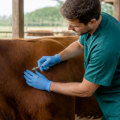
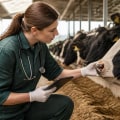
Maintaining proper farm animal care is essential for the health and well-being of livestock. Cleanliness and grooming are not merely aesthetic choices; they play a crucial role in preventing diseases and promoting overall animal welfare. When animals are kept clean, they are less susceptible to infections, parasites, and skin conditions that can arise from neglect. This proactive approach not only enhances their quality of life but also contributes to the productivity of the farm. Furthermore, regular grooming helps in building a strong bond between the caretaker and the animals.
It allows for close inspection of the animals' health, making it easier to identify any potential issues early on. Grooming sessions can also be a calming experience for the animals, reducing stress and anxiety. The benefits extend beyond individual animals; a well-groomed herd reflects positively on the farm's management practices, enhancing its reputation in the community. In addition to health benefits, clean and well-groomed animals are more likely to thrive in their environment. They exhibit better behavior, improved appetite, and higher levels of productivity, whether it be in milk production or growth rates.
By prioritizing grooming and cleanliness as part of a comprehensive farm animal care routine, farmers can ensure that their livestock remains healthy and productive, ultimately leading to a more successful farming operation.
Daily Grooming Routines for Farm Animals
Maintaining a consistent daily grooming routine for farm animals is essential for their health and well-being. Regular grooming not only keeps animals clean but also helps in identifying any potential health issues early on. Here are some effective grooming practices tailored for various types of livestock:- Cattle: Brush cattle daily to remove dirt, debris, and loose hair. Use a stiff-bristled brush for the body and a softer brush for sensitive areas like the face and udder.
Check for signs of skin irritation or parasites during grooming.
- Horses: Groom horses at least once a day. Start with a curry comb to loosen dirt and hair, followed by a stiff brush to remove debris. Finish with a soft brush for a polished look. Don’t forget to clean their hooves to prevent infections.
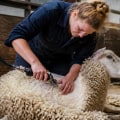
- Sheep: Regularly shearing sheep is crucial, especially in warmer months.
In addition to shearing, use a brush to keep their wool clean and free from tangles. Inspect their skin for any signs of infection or parasites.
- Pigs: Pigs benefit from regular baths, especially in hot weather. Use a gentle soap and ensure they are rinsed thoroughly. Daily brushing helps remove dirt and can also be a bonding experience.
Consistency is key; establishing a routine will make the process smoother and more enjoyable for both you and your livestock.
Bathing Techniques for Different Farm Animals
Bathing farm animals is an essential part of farm animal care, ensuring their hygiene and overall health. Different species require specific techniques and products for effective bathing.Cattle
For cattle, bathing should be done at least once a month, especially before shows or sales. Use a gentle, non-toxic shampoo designed for livestock. Here’s how to do it:- Preparation: Secure the animal in a safe area, preferably in a shaded spot to avoid sunburn.
- Wet the coat: Use a hose with a spray nozzle to wet the animal thoroughly, starting from the back and moving towards the front.
- Apply shampoo: Lather the shampoo into the coat, paying special attention to areas prone to dirt accumulation.
- Rinse thoroughly: Ensure all shampoo is washed out to prevent skin irritation.
- Drying: Use towels or let them air dry in a warm area.
Pigs
Pigs require more frequent baths, especially in warmer months.Bathing them helps control parasites and keeps their skin healthy. Follow these steps:
- Frequency: Bathe pigs every two weeks during hot weather.
- Water temperature: Use lukewarm water to make the experience comfortable.
- Shampoo choice: Opt for a mild soap that won’t irritate their sensitive skin.
- Technique: Use a sponge or soft brush to scrub gently, focusing on areas like the belly and behind the ears.
Sheep and Goats
Sheep and goats also benefit from regular baths, particularly before shearing or showing. Here’s how to bathe them effectively:- Timing: Bathe sheep and goats every 4-6 weeks.
- Shampoo selection: Use a product specifically formulated for wool or hair types.
- Bathing method: Wet their fleece or coat thoroughly, apply shampoo, and rinse well to avoid residue that can cause skin issues.
Tools and Supplies for Effective Grooming
To ensure optimal farm animal care, having the right tools and supplies for grooming is essential.Proper grooming not only keeps animals clean but also promotes their overall health and well-being. Below is a list of essential grooming tools and supplies that every farm should have.
- Brushes: Different types of brushes are necessary for various animals. For example, a stiff-bristled brush is ideal for removing dirt and debris from horses, while a softer brush works well for cattle and sheep.
- Combs: Combs are particularly useful for animals with longer hair, such as goats and llamas. They help detangle knots and prevent matting.
- Hoof Trimmers: Regular hoof care is crucial for the health of farm animals like cows and goats.
Hoof trimmers help maintain proper hoof shape and prevent infections.
- Clippers: For animals that require regular shearing, such as sheep, clippers are indispensable. They help keep the coat at a manageable length and reduce the risk of overheating in warmer months.
- Shampoo and Conditioner: Using animal-specific shampoos helps remove dirt and parasites while maintaining skin health. Conditioners can also be beneficial for animals with longer coats.
- Spray Bottles: These are useful for applying fly sprays or other topical treatments to keep pests at bay.
- Towels: For drying off wet animals after bathing.
- First Aid Supplies: Essential for treating minor injuries during grooming sessions.
- Storage Containers: To keep all grooming supplies organized and easily accessible.
Regular grooming sessions can be an excellent opportunity for bonding, making it a rewarding experience for both parties.
Seasonal Considerations in Animal Grooming
Grooming farm animals is not a one-size-fits-all approach; it varies significantly with the seasons. Each season brings unique challenges and requirements that can affect the health and comfort of your animals. Understanding these seasonal changes is crucial for effective farm animal care.Spring: Shedding and Allergies
As temperatures rise, many animals begin to shed their winter coats. This is an ideal time to brush your animals regularly to help remove loose hair and reduce the risk of skin irritations.Additionally, spring can bring about allergies due to pollen and other allergens. Keep an eye on your animals for signs of discomfort, such as excessive scratching or rubbing.
Summer: Hydration and Fly Control
During the hot summer months, maintaining proper hygiene is essential. Regular grooming helps to keep animals cool by removing excess hair and dirt. Consider using fly repellents or fly masks to protect your animals from pests that thrive in warm weather.Ensure that they have access to plenty of fresh water, as hydration is key to their overall health.
Fall: Preparing for Winter
As the weather cools down, it’s important to prepare your animals for the upcoming winter months. This may involve a thorough grooming session to remove any remaining summer coat and dirt. Additionally, consider adding extra bedding in their shelters to provide warmth and comfort during colder nights.Winter: Maintaining Coat Health
In winter, grooming should focus on maintaining the health of your animals' coats. Regular brushing helps distribute natural oils, keeping their skin moisturized and preventing matting.Be vigilant about checking for ice buildup in hooves or fur, which can lead to discomfort or injury.By adapting your grooming routine according to the seasons, you can ensure that your farm animals remain healthy, comfortable, and well-cared for throughout the year. Remember that each animal may have specific needs based on their breed and environment, so always tailor your approach accordingly.
Common Grooming Challenges and Solutions
Grooming farm animals is essential for their health and well-being, but it often comes with its own set of challenges. Understanding these common grooming challenges and implementing effective solutions can make the process smoother for both the animals and their caretakers.- Resistance to Grooming: Many farm animals, especially those not accustomed to regular grooming, may resist the process. This can lead to stress for both the animal and the handler.
- Skin Issues: Animals can suffer from various skin conditions, such as parasites or infections, which can complicate grooming efforts.
- Seasonal Shedding: During certain times of the year, animals may shed their coats heavily, creating a mess and making it difficult to keep them clean.
- Hoof Care: Neglecting hoof care can lead to serious health issues, yet many owners find it challenging to manage.
Solutions to Common Grooming Challenges
- Building Trust: To address resistance, spend time with your animals outside of grooming sessions.
Use treats and gentle handling to build trust, making them more comfortable during grooming.
- Regular Health Checks: Incorporate regular health checks into your grooming routine. Look for signs of skin issues and consult a veterinarian if you notice anything unusual.
- Use Proper Tools: Invest in high-quality grooming tools designed for your specific type of animal. For example, use shedding blades or brushes that are effective yet gentle on their skin.
- Create a Routine: Establish a consistent grooming schedule that aligns with seasonal changes. This helps manage shedding and keeps animals looking their best throughout the year.
- Hoof Maintenance: Schedule regular hoof trimming with a professional farrier.
If you’re doing it yourself, ensure you have the right tools and knowledge to avoid injury.
Health Benefits of Regular Grooming and Cleaning
Regular grooming and cleaning of farm animals play a crucial role in maintaining their overall health and well-being. These practices not only enhance the animals' appearance but also contribute significantly to their physical and mental health.Health Benefits of Grooming:
- Prevention of Skin Diseases: Regular grooming helps to remove dirt, debris, and parasites such as ticks and lice that can lead to skin infections. By keeping the skin clean, farmers can prevent conditions like dermatitis and other skin irritations.
- Improved Circulation: The act of brushing stimulates blood flow, which can enhance the overall health of the animal's skin and coat. Improved circulation also aids in the distribution of nutrients throughout the body.
- Early Detection of Health Issues: During grooming sessions, farmers can easily spot abnormalities such as lumps, bumps, or changes in skin texture.
Early detection of these issues can lead to timely veterinary intervention.
- Enhanced Comfort: Clean animals are generally more comfortable. Grooming removes excess hair and dirt that can cause irritation, especially in warmer months when animals are more prone to overheating.
Why Clean Animals Are Healthier:
- Reduced Stress Levels: Animals that are regularly groomed tend to experience lower stress levels. The grooming process can be soothing and helps build trust between the animal and handler.
- Better Nutrition Absorption: A clean coat allows for better thermoregulation, which means animals can maintain optimal body temperature. This is essential for proper digestion and nutrient absorption.
- Enhanced Social Interactions: Healthy, clean animals are more likely to engage positively with their herd mates.
This social interaction is vital for their mental health and overall happiness.
FAQs About Farm Animal Care and Grooming
When it comes to farm animal care, many questions arise regarding the best practices for keeping animals clean and well-groomed. Here are some frequently asked questions that can help guide you in maintaining the health and hygiene of your farm animals.What is the best way to groom farm animals?
The grooming process varies depending on the type of animal. Here are some general tips:- Regular brushing: This helps remove dirt, debris, and loose hair.
For horses, use a curry comb followed by a stiff brush.
- Bathing: Some animals, like pigs, may require occasional baths. Use a gentle soap and ensure they are thoroughly dried afterward.
- Nail trimming: Regularly check and trim hooves or claws to prevent discomfort and health issues.
How often should I clean my farm animals?
The frequency of cleaning depends on the animal and its environment:- Cattle: Clean them at least once a week, focusing on their living area to prevent disease.
- Chickens: Clean their coop regularly to reduce odors and pests.
- Horses: Groom daily to maintain coat health and check for injuries.
What are common grooming tools for farm animals?
Having the right tools can make grooming easier:- Brushes: Different types for different animals (e.g., slicker brushes for dogs, curry combs for horses).
- Hoof picks: Essential for checking and cleaning hooves.
- Clippers: Useful for trimming fur or hair in warmer months.
Conclusion: Best Practices for Keeping Farm Animals Clean and Groomed
In conclusion, maintaining the cleanliness and grooming of farm animals is essential for their health and well-being. By implementing a consistent care routine, farmers can ensure that their animals remain healthy, comfortable, and productive. Here are some best practices to keep in mind:- Regular Cleaning: Establish a daily cleaning schedule for animal enclosures.
Remove waste, soiled bedding, and leftover feed to prevent the buildup of harmful bacteria.
- Bathing and Grooming: Depending on the species, regular bathing may be necessary. Use appropriate shampoos and grooming tools to remove dirt and loose hair. For example, horses benefit from regular brushing to maintain their coat's health.
- Nail Trimming: Regularly check and trim the hooves or nails of your animals. This practice prevents discomfort and potential injuries.
- Parasite Control: Implement a parasite management program that includes regular deworming and flea control.
Consult with a veterinarian for the best products suited for your animals.
- Nutrition: Provide a balanced diet rich in vitamins and minerals to promote healthy skin and coat. Proper nutrition plays a crucial role in overall hygiene.