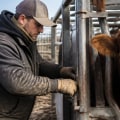
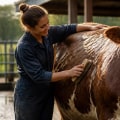
Regular health checks for farm animals are not just a routine task; they are a vital component of effective farm animal care. Monitoring the health and well-being of livestock can significantly impact both their quality of life and the overall productivity of the farm. Animals that are regularly checked for injuries or health issues are less likely to suffer from chronic conditions that can lead to decreased productivity, increased veterinary costs, and even loss of livestock. By prioritizing these health checks, farmers can ensure that their animals remain healthy and productive. Moreover, understanding the importance of health checks extends beyond mere economics; it is also a matter of animal welfare.
Animals that receive consistent attention are more likely to exhibit positive behaviors and maintain better physical condition. This proactive approach not only helps in identifying potential health issues before they escalate but also fosters a deeper bond between the farmer and their animals. When animals feel cared for, they thrive, which ultimately benefits the entire farming operation. In addition to enhancing animal welfare, regular health assessments play a crucial role in injury prevention. Many injuries can go unnoticed until they become severe, leading to unnecessary suffering for the animal.
By implementing a routine check-up schedule, farmers can catch these issues early on, allowing for timely intervention and treatment. This not only alleviates pain for the animals but also minimizes disruptions in farm operations caused by unexpected health crises.
Factors Influencing the Frequency of Health Checks
When it comes to farm animal care, the frequency of health checks is influenced by several key factors. Understanding these factors can help farmers establish a routine that ensures the well-being of their animals.- Species: Different species have varying health needs and vulnerabilities. For instance, cattle may require less frequent checks compared to poultry, which can be more susceptible to rapid health changes.
- Age: Young animals, such as calves and piglets, often need more frequent monitoring due to their developing immune systems.
Conversely, older animals may also require closer observation due to age-related health issues.
- Environment: The living conditions of farm animals play a significant role in their health. Animals in stressful environments, such as overcrowded or unsanitary conditions, may need more regular checks to identify potential health problems early.
- Specific Health Risks: Certain breeds or individual animals may have predispositions to specific health issues. For example, some breeds of sheep are more prone to foot rot, necessitating more frequent inspections of their hooves.
Farmers should consider establishing a schedule that aligns with the unique needs of their livestock, ensuring that all animals receive appropriate attention based on their specific circumstances.
Recommended Health Check Schedule for Different Farm Animals
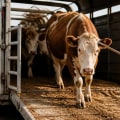
Maintaining the health of farm animals is crucial for both their well-being and the productivity of the farm. A health check schedule tailored to different types of livestock ensures that any potential issues are identified and addressed promptly. Below is a recommended schedule for various farm animals:- Cattle: Cattle should be checked at least once a month for signs of injury, illness, or distress. Special attention should be given during calving season, as this is when complications can arise.
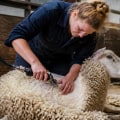
- Sheep: Sheep require health checks every 6 to 8 weeks.
Look for signs of parasites, foot rot, and overall body condition. Pregnant ewes should be monitored more closely as they approach lambing.
- Pigs: Pigs should be examined every 4 to 6 weeks. Regular checks help in identifying skin issues, respiratory problems, and ensuring proper weight gain. Pay special attention to sows during pregnancy and lactation.
- Poultry: Chickens and other poultry should be inspected weekly.
Look for signs of disease such as lethargy, changes in egg production, or unusual behavior. Biosecurity measures should also be reviewed during these checks.
Signs of Injury or Health Issues to Look For
Recognizing the signs of injury or health issues in farm animals is crucial for maintaining their well-being and productivity.Farmers should be vigilant and observant, as early detection can lead to more effective treatment and recovery.Here are some common signs to look for:
- Changes in Behavior: If an animal is unusually lethargic, isolated from the herd, or shows signs of aggression, it may indicate discomfort or pain.
- Appetite Changes: A sudden decrease in feed intake or water consumption can signal health problems. Animals that are not eating may be experiencing dental issues, digestive disorders, or other health concerns.
- Physical Symptoms: Look for visible signs such as swelling, limping, or abnormal posture. Cuts, bruises, or any unusual lumps should be examined closely.
- Respiratory Issues: Coughing, nasal discharge, or labored breathing can indicate respiratory infections or other serious conditions.
- Fever: Elevated body temperature can be a sign of infection. Regularly checking an animal's temperature can help identify potential health issues early.
For instance, if a normally social animal becomes withdrawn or if a typically active animal shows reluctance to move, these changes should prompt further investigation.Regular monitoring and observation are key components of effective farm animal care. By being proactive and attentive to these signs, farmers can ensure their livestock remain healthy and productive.
Best Practices for Conducting Health Checks
Conducting regular health checks on farm animals is essential for maintaining their overall well-being and productivity. Here are some best practices to ensure effective health assessments:- Establish a Routine: Create a consistent schedule for health checks, ideally at least once a week. This allows you to monitor any changes in behavior or physical condition promptly.
- Know the Signs: Familiarize yourself with the normal behavior and appearance of your animals.
Look for signs of distress, such as limping, unusual vocalizations, or changes in eating habits.
- Use a Checklist: Develop a checklist that includes key areas to inspect, such as:
- Skin and coat condition
- Eyes and ears for discharge or swelling
- Mouth and teeth for signs of dental issues
- Hoof health, especially in larger animals
- Body weight and overall body condition score
- Document Findings: Keep detailed records of each health check. Note any abnormalities or changes over time, which can be invaluable for veterinary consultations.
- Consult Veterinary Advice: Don’t hesitate to reach out to a veterinarian if you notice any concerning signs. Regular veterinary check-ups are also crucial for vaccinations and preventive care.
The Role of Veterinary Professionals in Farm Animal Care
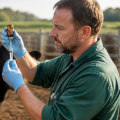
In the realm of farm animal care, the involvement of veterinary professionals is crucial for maintaining the health and well-being of livestock.Regular veterinary check-ups not only help in early detection of potential health issues but also ensure that animals receive appropriate vaccinations and preventive care.
Understanding the Importance of Veterinary Care
- Expertise: Veterinarians possess specialized knowledge about animal health, diseases, and treatment options that are essential for effective farm management.
- Preventive Measures: Regular check-ups can prevent outbreaks of diseases that could affect the entire herd, saving both lives and financial resources.
- Tailored Health Plans: A veterinarian can create customized health plans based on the specific needs of different species and breeds on the farm.
- Signs of Illness: If an animal shows signs of distress, such as lethargy, loss of appetite, or unusual behavior, it is vital to consult a veterinarian promptly.
- Injuries: Any visible injuries or wounds should be assessed by a professional to prevent infection and ensure proper healing.
- Reproductive Issues: Problems related to breeding or birthing require immediate veterinary attention to safeguard both the mother and offspring.
Common Health Issues in Farm Animals and Their Prevention
Farm animals are susceptible to a variety of health issues that can significantly impact their well-being and productivity. Understanding these common health problems is crucial for effective farm animal care and disease prevention.- Respiratory Diseases: Conditions such as pneumonia and bronchitis are prevalent, especially in crowded or poorly ventilated environments.
Regular monitoring of breathing patterns and maintaining clean, dry living conditions can help prevent these issues.
- Digestive Disorders: Bloat, colic, and diarrhea are common in livestock. Ensuring a balanced diet and providing access to clean water are essential preventive measures. Additionally, introducing new feed gradually can help avoid digestive upset.
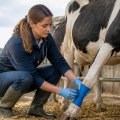
- Foot and Leg Problems: Lameness due to foot rot or joint issues can severely affect mobility. Regular hoof trimming and maintaining dry bedding can reduce the risk of these conditions.
- Skin Conditions: Issues like mange or ringworm can spread quickly among animals.
Implementing a routine grooming schedule and keeping living areas clean can minimize outbreaks.
- Reproductive Issues: Infertility and complications during birthing can occur in farm animals. Regular veterinary check-ups and proper nutrition during gestation are vital for reproductive health.
- Regular Health Checks: Schedule routine examinations with a veterinarian to catch potential issues early.
- Vaccination Programs: Stay updated on vaccinations to protect against common diseases.
- Nutritional Management: Provide a balanced diet tailored to the specific needs of each species and age group.
- Environmental Management: Ensure that living conditions are clean, spacious, and conducive to good health.
FAQs About Farm Animal Health Checks
When it comes to farm animal care, ensuring the health and well-being of your livestock is paramount. Here are some frequently asked questions regarding the frequency and methods of checking for injuries or health issues:How often should I check my farm animals for health issues?
It is recommended to conduct health checks on your farm animals at least once a day. However, certain factors may necessitate more frequent checks:- Age: Young animals may require more frequent monitoring due to their vulnerability.
- Species: Different species have varying health needs; for instance, pigs may need more attention than cattle.
- Environment: Animals in stressful or crowded conditions may need more regular checks.
What signs should I look for during health checks?
During your daily inspections, keep an eye out for the following signs of potential health issues:- Behavioral changes: Unusual lethargy or aggression can indicate distress.
- Physical symptoms: Look for limping, swelling, or unusual discharge from eyes or nose.
- Appetite changes: A sudden decrease in food or water intake can be a red flag.
How can I perform effective health checks?
To ensure thorough health checks, consider the following methods:- Visual inspection: Observe animals from a distance before approaching to gauge their overall condition.
- Hands-on examination: Gently check for injuries, weight loss, or abnormalities in body condition.
- Record keeping: Maintain detailed records of each animal's health status to track any changes over time.
Remember, early detection of health issues often leads to better outcomes and reduces the risk of spreading diseases within your herd.
Conclusion: Prioritizing Farm Animal Health for Sustainable Farming Practices
In conclusion, prioritizing farm animal health is essential for sustainable farming practices. Regular health checks not only ensure the well-being of the animals but also contribute to the overall productivity and profitability of the farm. By implementing a routine schedule for monitoring the health of farm animals, farmers can identify potential issues before they escalate into serious problems.Key takeaways from our discussion include:- Frequency of Checks: Animals should be checked at least once a week, with more frequent checks for those showing signs of illness or injury.
- Signs of Health Issues: Farmers should be trained to recognize early signs of distress, such as changes in behavior, appetite, or physical appearance.
- Record Keeping: Maintaining detailed health records can help track the health trends of individual animals and inform future care decisions.
- Veterinary Support: Establishing a relationship with a veterinarian ensures that farmers have access to professional advice and timely interventions when needed.
Ultimately, investing time and resources into farm animal care leads to a more sustainable agricultural system that benefits both producers and consumers alike.