Farm animal care is a critical aspect of modern agriculture that directly impacts the welfare and productivity of livestock. Understanding the nuances of this practice is essential for farmers who aim to create a safe environment for their animals. Proper care not only ensures the health and well-being of the animals but also enhances their productivity, leading to better yields and quality products. As consumers become increasingly aware of animal welfare issues, the demand for ethically raised farm animals continues to grow, making it imperative for farmers to prioritize animal care.At its core, farm animal care encompasses a range of practices designed to meet the physical and emotional needs of animals.
This includes providing adequate shelter, nutrition, and medical attention, as well as ensuring that animals have the opportunity to engage in natural behaviors. A comprehensive understanding of these needs allows farmers to implement effective management strategies that promote a harmonious relationship between humans and animals on the farm. Moreover, creating a comfortable environment for farm animals is not just about meeting basic needs; it also involves fostering an atmosphere where animals can thrive. This means considering factors such as space, social interactions, and environmental enrichment. By investing time and resources into understanding and improving farm animal care, farmers can contribute to a more sustainable agricultural system that respects animal welfare while also meeting the demands of an evolving market.
The Importance of Animal Welfare Standards
Adhering to animal welfare standards is crucial for ensuring that farm animals live in a safe and comfortable environment.These standards are designed to promote the physical and psychological well-being of animals, which is essential for ethical farming practices. By implementing these guidelines, farmers not only enhance the quality of life for their animals but also improve the overall productivity of their farms.
Importance of Animal Welfare
- Health Benefits: Animals that are well-cared for are less prone to diseases, leading to healthier livestock and reduced veterinary costs.
- Product Quality: Animals raised under humane conditions produce higher quality products, whether it be milk, meat, or eggs. Consumers are increasingly seeking products that come from farms that prioritize animal welfare.
- Consumer Trust: Adhering to animal welfare standards builds trust with consumers who are concerned about ethical farming practices. Transparency in how animals are treated can lead to increased sales and customer loyalty.
When animals are treated with respect and care, they exhibit better behavior and are easier to manage. This not only makes daily operations smoother but also enhances the overall atmosphere on the farm.In conclusion, the significance of animal welfare standards cannot be overstated. They play a vital role in creating a safe and comfortable environment for farm animals while also benefiting farmers through improved productivity and consumer relations. By prioritizing these standards, farmers can contribute to a more ethical and sustainable agricultural system.
Providing Adequate Shelter and Space
Providing adequate shelter and space is crucial for the health and well-being of farm animals.Proper animal shelter protects livestock from harsh weather conditions, predators, and other environmental stressors. Each type of farm animal has specific needs that must be met to ensure their comfort and safety.
Space Requirements for Farm Animals
- Cattle: Require ample space to move freely; a minimum of 100 square feet per animal is recommended in a barn setting.
- Horses: Need at least 200 square feet per horse in a stable, along with access to outdoor paddocks for exercise.
- Pigs: Thrive in environments where they have at least 24 square feet per pig, allowing them to root and explore.
- Chickens: Should have a minimum of 4 square feet per bird in the coop and access to an outdoor run for foraging.
Providing access to outdoor spaces not only promotes physical health but also encourages natural behaviors, which are vital for their mental well-being.Ultimately, investing in adequate shelter and sufficient space is not just about meeting basic needs; it is about fostering a healthy, productive, and humane environment for all farm animals.
Nutrition and Feeding Practices
Providing proper nutrition and implementing effective feeding practices are crucial components of farm animal care. A well-balanced diet not only supports the overall health of farm animals but also enhances their comfort and productivity. Understanding the specific nutritional needs of different species is essential for farmers aiming to create a safe and comfortable environment.Understanding Nutritional Needs
- Cattle: Require a diet rich in fiber, primarily from grasses and hay, supplemented with grains for energy.
- Pigs: Thrive on a balanced diet that includes grains, protein sources, and vitamins to support growth and reproduction.
- Poultry: Need a mix of grains, protein, and calcium to ensure strong bones and optimal egg production.
Feeding Practices
- Consistency: Establishing a regular feeding schedule helps animals feel secure and reduces stress.
- Cleanliness: Ensuring feeding areas are clean prevents contamination and promotes better health.
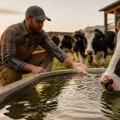
- Fresh Water: Always provide access to clean, fresh water as it is vital for digestion and overall well-being.
Animals that are well-fed are less likely to exhibit stress-related behaviors, leading to a more harmonious farming environment. By prioritizing nutrition and adopting best feeding practices, farmers can significantly contribute to the welfare of their animals while also improving productivity on the farm.
Health Care and Veterinary Services
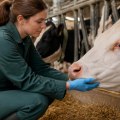
Providing health care and access to veterinary services is crucial for maintaining the well-being of farm animals. Regular health check-ups and prompt medical attention can prevent minor issues from escalating into serious health problems.Regular Health Check-ups
- Farmers should schedule routine veterinary visits to monitor the overall health of their animals.
- These check-ups often include vaccinations, parasite control, and dental care, which are essential for disease prevention.
- Keeping accurate health records helps track vaccinations and treatments, ensuring that animals receive timely care.
Disease Prevention Strategies
- Biosecurity measures are vital in preventing the introduction and spread of diseases on the farm. This includes controlling access to animal areas and maintaining cleanliness.
- Farmers should implement a vaccination program tailored to the specific needs of their livestock, as different species may require different vaccines.
- Regular monitoring for signs of illness allows for early intervention, which can significantly improve recovery rates.
Collaboration with Veterinarians
A strong partnership with a qualified veterinarian is essential for effective animal health care.
Farmers should:
- Consult their veterinarian for advice on nutrition, housing, and management practices that promote animal health.
- Participate in training sessions offered by veterinarians to stay updated on best practices in disease prevention.
- Utilize veterinary services not only for treatment but also for preventive care strategies that enhance the overall comfort and safety of farm animals.
Environmental Enrichment and Social Interaction
Providing a safe and comfortable environment for farm animals goes beyond basic shelter and nutrition; it also involves environmental enrichment and fostering social interaction. These elements are crucial for the mental well-being of animals, as they help reduce stress and promote natural behaviors.Environmental Enrichment
- Physical Structures: Incorporating various structures such as climbing platforms, tunnels, and shaded areas can stimulate animals' natural instincts. For example, goats enjoy climbing, while pigs benefit from rooting opportunities.
- Sensory Stimulation: Introducing different textures, scents, and sounds can engage animals' senses.
Items like hanging toys or mirrors can provide visual stimulation, while varied bedding materials can offer tactile experiences.
- Foraging Opportunities: Hiding food in different locations encourages animals to search and explore their environment. This not only satisfies their natural foraging instincts but also keeps them mentally active.
Social Interaction
- Group Housing: Many farm animals are social creatures that thrive in groups. Providing adequate space for them to interact with their peers can lead to healthier social dynamics and reduce feelings of isolation.
- Positive Reinforcement: Engaging with animals through training sessions or playtime can strengthen the bond between farmers and their livestock. This interaction not only enhances trust but also encourages positive behaviors.
- Observation of Social Hierarchies: Understanding the social structures within animal groups is essential.
Farmers should monitor interactions to ensure that dominant animals do not bully others, which can lead to stress and anxiety.
Monitoring Animal Behavior and Well-Being
Monitoring animal behavior is a crucial aspect of farm animal care that allows farmers to assess the well-being of their livestock. By observing animals regularly, farmers can identify any changes in behavior that may indicate stress or discomfort.Signs of Stress in Animals
- Vocalizations: Increased vocal sounds can indicate distress.
- Posture: Animals that are hunched or have their ears pinned back may be experiencing discomfort.
- Social Behavior: Withdrawal from the herd or aggression towards other animals can signal stress.
- Feeding Habits: A sudden decrease in appetite or changes in eating patterns can be a red flag.
Regularly assessing these conditions is essential for maintaining a comfortable living space.
Assessing Animal Well-Being
To effectively monitor animal well-being, farmers can implement several strategies:
- Daily Observations: Spend time with the animals each day to notice any behavioral changes.
- Record Keeping: Maintain logs of health, behavior, and environmental conditions to track trends over time.
- Veterinary Check-Ups: Schedule regular health assessments with a veterinarian to ensure animals are physically healthy.
- Behavioral Enrichment: Provide activities and stimuli that encourage natural behaviors, reducing boredom and stress.
FAQs About Farm Animal Care
Farm animal care is a vital aspect of agriculture that ensures the health and well-being of livestock. Here are some frequently asked questions that can help farmers enhance their practices:What are the basic needs of farm animals?
Farm animals require several fundamental needs to thrive:- Nutrition: A balanced diet tailored to the specific species and age of the animal.
- Shelter: Adequate protection from harsh weather conditions, including heat, cold, and rain.
- Water: Access to clean, fresh water at all times.
- Space: Sufficient room to move freely and engage in natural behaviors.
How can I ensure the welfare of my animals?
Ensuring animal welfare involves several best practices:- Regular Health Checks: Schedule routine veterinary visits to monitor health and prevent disease.
- Social Interaction: Allow animals to interact with others of their kind to promote mental well-being.
- Stress Reduction: Minimize stress by handling animals gently and providing a calm environment.
What are some common signs of distress in farm animals?
A farmer should be vigilant for signs that indicate an animal may be in distress:- Aggression or withdrawal: Changes in behavior can signal discomfort or illness.
- Poor appetite: A sudden decrease in food intake may indicate health issues.
- Lethargy: Unusual tiredness or lack of energy can be a sign of underlying problems.
Conclusion: Best Practices for Ensuring Animal Comfort and Safety
In conclusion, ensuring the comfort and safety of farm animals is not just a matter of ethical responsibility; it is also essential for the overall productivity and sustainability of farming operations. By implementing best practices in farm animal care, farmers can create an environment that promotes the well-being of their livestock. Key strategies include:- Providing Adequate Shelter: Animals need protection from extreme weather conditions.
Well-ventilated barns and shaded areas can help maintain a comfortable temperature.
- Ensuring Cleanliness: Regular cleaning of living spaces prevents the buildup of waste and reduces the risk of disease. A clean environment is crucial for animal health.
- Access to Fresh Water and Quality Feed: Proper nutrition and hydration are fundamental to animal welfare. Farmers should ensure that animals have constant access to clean water and a balanced diet.
- Regular Health Check-ups: Routine veterinary care helps in early detection of health issues, ensuring that animals remain healthy and productive.
- Social Interaction: Many farm animals are social creatures. Providing opportunities for interaction with other animals can reduce stress and promote mental well-being.
Ultimately, prioritizing animal comfort leads to healthier livestock, which can result in better yields and improved economic outcomes for farmers.