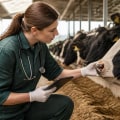
Transporting farm animals safely is a critical aspect of farm animal care that directly impacts their health and well-being. The process of moving livestock, whether for sale, veterinary care, or relocation, can be stressful for the animals involved. Understanding the importance of safe transport is essential not only for the welfare of the animals but also for the overall efficiency and productivity of farm operations. When animals are transported improperly, they can experience significant stress, which may lead to injuries or even fatalities. This stress can also compromise their immune systems, making them more susceptible to diseases.
Therefore, ensuring that animals are handled with care during transport is a fundamental responsibility of farmers and livestock handlers. By prioritizing animal welfare, farmers can minimize risks and promote healthier livestock, which ultimately benefits their operations. Moreover, safe transport practices are increasingly scrutinized by consumers and regulatory bodies alike. As public awareness of animal welfare grows, so does the demand for ethical treatment throughout the entire lifecycle of farm animals. Implementing best practices in transport not only aligns with these ethical standards but also enhances a farm's reputation and marketability.
In this article, we will explore various strategies and considerations for transporting farm animals safely, ensuring that both their welfare and your farm's success are prioritized.
Preparing for Transport: Key Considerations
Transporting farm animals requires careful planning and preparation to ensure their safety and well-being. Here are some key considerations to keep in mind:- Health Checks: Before transport, conduct a thorough health check on each animal. Look for signs of illness or distress, and consult a veterinarian if necessary. Animals should be up-to-date on vaccinations and free from parasites.
- Documentation: Ensure you have all necessary documentation, including health certificates, transport permits, and any other legal requirements specific to your state or destination.
This is crucial for compliance and can prevent delays during transport.
- Familiarization: If possible, allow animals to become familiar with the transport vehicle before the journey. This can help reduce stress during loading and transit.
- Equipment Check: Inspect all transport equipment, including trailers or crates, to ensure they are safe and secure. Make sure there is adequate ventilation, non-slip flooring, and enough space for each animal to stand comfortably.
- Feeding and Watering: Plan for feeding and watering schedules during transport. Depending on the duration of the journey, you may need to provide water and hay to keep animals hydrated and nourished.
- Loading Techniques: Use calm and gentle loading techniques to minimize stress.
Employing a buddy system can help ease anxious animals into the transport vehicle.
Choosing the Right Vehicle for Transporting Farm Animals
When it comes to transporting farm animals, selecting the right vehicle is crucial for ensuring their safety and comfort. Different types of livestock require specific transport solutions, and understanding these needs can make a significant difference in the overall well-being of the animals during transit.Types of Vehicles for Livestock Transport
- Livestock Trailers: These are specially designed trailers that provide ample space and ventilation for animals. They often come equipped with non-slip flooring and dividers to keep animals secure and prevent injury.
- Flatbed Trucks: Ideal for larger animals like cattle, flatbed trucks can be fitted with appropriate restraints and barriers.
However, they require careful loading and unloading procedures to ensure animal safety.
- Vans or Box Trucks: For smaller animals such as sheep or goats, enclosed vans or box trucks can offer a safe environment. These vehicles should have proper ventilation and be equipped with secure tie-downs to prevent movement during transport.
Safety Features to Consider
Regardless of the vehicle type, certain safety features are essential:- Ventilation: Proper airflow is vital to prevent overheating and stress during transport.
- Non-Slip Flooring: This helps prevent injuries caused by slipping, especially during sudden stops or turns.
- Secure Restraints: Using appropriate restraints ensures that animals remain stable and reduces the risk of injury to both the animals and the driver.
By prioritizing safety and comfort, farmers can ensure that their livestock arrives at their destination healthy and stress-free.
Loading and Unloading Techniques for Farm Animals
Transporting farm animals requires careful planning and execution, particularly during the loading and unloading processes. These stages are critical for ensuring the safety and well-being of the animals, as well as minimizing stress for both the livestock and handlers.Loading Techniques for Farm Animals
When loading animals, it is essential to create a calm environment. Here are some effective techniques:- Use a Loading Ramp: A gentle slope is less intimidating for animals than a steep incline. Ensure the ramp is sturdy and non-slip.
- Familiarization: Allow animals to explore the loading area before the actual loading.
This can reduce anxiety.
- Calm Handling: Use low, soothing tones when guiding animals. Avoid sudden movements that could startle them.
- Group Loading: Load animals in small groups to prevent overcrowding and chaos. This helps maintain order and reduces stress.
Unloading Farm Animals Safely
Just as important as loading, unloading requires attention to detail to ensure safety:- Clear Pathways: Ensure that the unloading area is free of obstacles. This allows animals to exit calmly without fear of tripping or getting stuck.
- One at a Time: Unload animals individually or in small groups to prevent panic and injury.
This also allows handlers to monitor each animal's condition.
- Use Proper Equipment: Utilize gates or panels to guide animals safely out of the transport vehicle without forcing them.
Handling Livestock During Transport
The way livestock is handled during transport can significantly impact their overall health and stress levels. Here are some best practices:- Regular Checks: Monitor animals frequently during transport for signs of distress or injury.
- Adequate Space: Ensure that there is enough space for each animal to stand comfortably without overcrowding, which can lead to injuries.
- Hydration and Feeding: Provide access to water and consider feeding schedules based on the duration of transport.
Maintaining Animal Welfare During Transport
Transporting farm animals requires careful planning and consideration to ensure their welfare throughout the journey. One of the primary concerns is to maintain a calm environment, which can significantly reduce stress levels in animals. Here are some effective strategies to achieve this:- Pre-Transport Preparation: Before embarking on the journey, familiarize animals with the transport vehicle.
Allow them to explore the space and get comfortable with it. This can help reduce anxiety during actual transport.
- Proper Loading Techniques: Use gentle handling techniques when loading animals into the transport vehicle. Ensure that the loading area is well-lit and free from obstacles to prevent injuries.
- Ventilation and Temperature Control: Ensure that the transport vehicle is well-ventilated and maintains a comfortable temperature. Animals can become stressed in cramped or hot conditions, so monitoring these factors is crucial.
- Regular Checks: Stop periodically to check on the animals.
Look for signs of distress, such as excessive vocalization or unusual behavior, which may indicate discomfort or health issues.
- Hydration and Nutrition: Provide access to water during long journeys. Depending on the duration of transport, consider offering small amounts of feed to keep energy levels stable.
- Calming Techniques: Use calming aids such as soft music or familiar scents to help soothe anxious animals during transit.
Legal Regulations and Guidelines for Transporting Farm Animals
Transporting farm animals is not only a matter of animal welfare but also involves adhering to various legal regulations and guidelines. Understanding these requirements is crucial for farmers and transporters to ensure compliance and safety during transit.Federal Regulations
- The Animal Welfare Act (AWA) sets forth minimum standards for the care and treatment of animals during transport.
This includes provisions for adequate space, ventilation, and access to food and water.
- The United States Department of Agriculture (USDA) oversees the enforcement of these regulations, ensuring that all transporters are licensed and that their vehicles meet specific safety standards.
State Regulations
- Each state may have additional laws governing the transport of livestock. It is essential to check with local authorities to understand any specific requirements that may apply.
- Some states require health certificates or permits for transporting certain types of animals, especially when crossing state lines.
Transport Guidelines
- Animals should be loaded and unloaded in a calm manner to minimize stress. Proper handling techniques are essential to ensure their safety.
- The vehicle used for transport must be appropriate for the type of animal being transported, providing sufficient space and comfort.
- Transporters should monitor animals during transit, checking for signs of distress or injury.
Penalties for Non-Compliance
Failure to adhere to these regulations can result in significant penalties, including fines and loss of transport licenses. In severe cases, individuals may face criminal charges if negligence leads to harm or death of the animals.In conclusion, understanding the legal requirements for transporting farm animals is vital for ensuring their safety and well-being.
By following federal and state regulations, as well as best practices in animal handling, farmers can contribute to better farm animal care.
Common Challenges in Transporting Farm Animals and How to Overcome Them
Transporting farm animals can present a variety of challenges that, if not addressed, can lead to stress for the animals and potential safety hazards. Understanding these challenges is crucial for ensuring farm animal care during transit. One common issue is animal stress. Animals can become anxious when placed in unfamiliar environments or confined spaces. To mitigate this, it is essential to:- Familiarize animals with the transport vehicle before the journey.
- Use calming techniques, such as gentle handling and familiar bedding.
- Ensure adequate ventilation and temperature control within the transport vehicle.
Animals can injure themselves during loading, unloading, or while in transit. To reduce this risk:
- Utilize proper loading ramps and equipment to facilitate safe entry and exit.
- Secure animals with appropriate restraints that allow movement but prevent injury.
- Regularly inspect the transport vehicle for sharp edges or hazards.
- Provide access to water at regular intervals.
- Plan for rest stops to allow animals to stretch and recuperate.
- Monitor the health of each animal closely throughout the journey.
FAQs About Transporting Farm Animals Safely
Transporting farm animals can raise numerous questions and concerns among farmers and livestock owners.Here are some frequently asked questions regarding the safe transport of farm animals:
What are the best practices for loading animals into a trailer?
When loading animals, it’s essential to:- Ensure the trailer is clean and free of sharp objects.
- Use non-slip flooring to prevent injuries.
- Approach the animals calmly to reduce stress.
- Use proper loading techniques, such as using a loading ramp or chute.
How can I minimize stress during transport?
To minimize stress for your livestock:- Familiarize them with the trailer before transport.
- Provide adequate ventilation in the trailer.
- Avoid overcrowding; ensure each animal has enough space.
- Keep travel times as short as possible and plan for breaks if necessary.
What should I do if an animal becomes injured during transport?
If an animal is injured during transport, follow these steps:- Stop the vehicle safely and assess the injury.
- If necessary, provide first aid or contact a veterinarian.
- Document the injury for insurance or liability purposes.
Are there specific regulations for transporting livestock?
Yes, there are regulations that vary by state and type of animal. It’s crucial to:- Check local laws regarding transportation of livestock.
- Ensure that all transport vehicles meet safety standards.
Conclusion: Best Practices for Safe Transportation of Farm Animals
In conclusion, ensuring the safe transportation of farm animals is a critical aspect of farm animal care that cannot be overlooked. The well-being of these animals during transit directly impacts their health and productivity.By adhering to best practices, farmers can minimize stress and prevent injuries. Key practices include:
- Planning the Route: Always choose the safest and most direct route to your destination. Avoiding rough terrain and busy roads can significantly reduce stress for the animals.
- Proper Vehicle Selection: Use vehicles specifically designed for transporting livestock. These vehicles should provide adequate ventilation, space, and safety features to protect the animals during transit.
- Pre-Transport Preparation: Ensure that animals are healthy and fit for travel. Conduct health checks and provide necessary vaccinations before transport.
- Loading Techniques: Use calm and gentle methods to load animals onto the transport vehicle.
This helps to reduce anxiety and prevent injuries.
- Monitoring During Transit: Regularly check on the animals during transport to ensure they are comfortable and safe. This includes monitoring temperature, ventilation, and overall behavior.