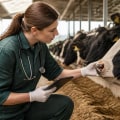
Proper farm animal care is essential for the health and well-being of newborn and young farm animals. These vulnerable creatures require special attention and a nurturing environment to thrive. Understanding their unique needs is crucial for any farmer or caretaker who aims to raise healthy livestock. From the moment they are born, these animals depend on their caregivers for nutrition, shelter, and social interaction, all of which play a significant role in their development. Newborn farm animals, such as calves, piglets, and lambs, are particularly susceptible to environmental stressors and health issues.
It is vital to provide them with a warm, clean space that protects them from harsh weather conditions and predators. Additionally, ensuring that they receive adequate colostrum shortly after birth is critical for building their immune systems. As they grow, young farm animals require a balanced diet tailored to their specific species and age group to support their rapid growth and development. Moreover, young farm animals benefit greatly from socialization with both their peers and humans. This interaction not only helps them develop essential social skills but also fosters a bond of trust with their caretakers.
By prioritizing proper care practices from the outset, farmers can set the foundation for healthy, productive animals that will contribute positively to the farm's overall success.
The Importance of Early Care for Newborn Farm Animals
Providing early care for newborn farm animals is essential for their overall health and development. The first few days of life are critical, as this is when young animals are most vulnerable to diseases and environmental stressors. Proper care during this period can significantly enhance their chances of survival and long-term well-being.Newborn animal health
is closely linked to their immediate environment and the attention they receive from caregivers. For instance, ensuring that newborns receive adequate colostrum within the first few hours of life is vital.Colostrum is rich in antibodies that help build the animal's immune system, protecting them from infections. Without this initial intake, newborns may face a higher risk of illness.In addition to nutrition, farm animal welfare encompasses the emotional and psychological aspects of care. Young animals require a calm and safe environment to thrive. Stressful conditions can lead to behavioral issues and hinder their growth.
Therefore, it is crucial to handle them gently and minimize disturbances in their surroundings.
- Key aspects of early care include:
- Providing a clean and warm shelter to protect against harsh weather.
- Monitoring their feeding schedule to ensure they receive adequate nutrition.
- Regularly checking for signs of illness or distress.
- Socializing them with other animals to promote healthy behavior.
Essential Nutritional Needs for Young Farm Animals
Providing the right nutrition for young farm animals is crucial for their growth, health, and overall well-being. Each species has unique dietary requirements that must be met to ensure they thrive during their early stages of life.Nutrition for Different Types of Young Farm Animals
- Cattle: Newborn calves require colostrum within the first few hours of life, as it is rich in antibodies and essential nutrients. After the initial feeding, they should transition to a high-quality milk replacer or whole milk, supplemented with grain and hay as they grow.
- Pigs: Piglets benefit from a diet that includes a specialized starter feed that is high in protein and energy.
This feed should be introduced as early as possible, ideally within the first week of life, to support rapid growth.
- Sheep: Lambs should receive colostrum from their mothers shortly after birth. As they grow, they can be introduced to creep feed, which is a high-energy feed designed to meet their nutritional needs before weaning.
- Goats: Kids also need colostrum immediately after birth. A balanced diet consisting of high-quality hay and a commercial goat starter feed will help them develop properly.
Feeding Strategies
When feeding newborn animals, it’s important to monitor their intake closely. Here are some effective strategies:- Frequent Feedings: Young animals have small stomachs and require frequent feedings throughout the day to meet their energy needs.
- Quality Over Quantity: Focus on providing high-quality feeds that are specifically formulated for young animals rather than just increasing the amount of food.
- Hydration: Ensure that fresh water is always available, as hydration is key to digestion and nutrient absorption.
Creating a Safe and Comfortable Environment
Creating a safe and comfortable environment for newborn and young farm animals is crucial for their growth and development.The right housing not only protects them from harsh weather conditions but also minimizes stress and promotes overall well-being.
Animal Housing
- Size and Space: Ensure that the housing is spacious enough for the animals to move around freely. Overcrowding can lead to stress and health issues.
- Ventilation: Proper ventilation is essential to prevent respiratory problems. Ensure that the housing has adequate airflow while protecting the animals from drafts.
- Insulation: For young animals, insulation is vital. Use materials that provide warmth in winter and keep the space cool in summer.
- Cleanliness: Regular cleaning of the living area helps prevent disease.
Use bedding materials that are absorbent and easy to replace, such as straw or wood shavings.
Creating a Safe Environment
- Fencing: Secure fencing is necessary to protect young animals from predators. Ensure that fences are high enough and buried deep enough to prevent digging.
- Safe Materials: Use non-toxic materials for housing and equipment. Avoid sharp edges or objects that could injure the animals.
- Access to Clean Water: Always provide fresh, clean water. Hydration is essential for young animals, especially during hot weather.
Comfort for Young Animals
- Bedding: Provide soft bedding to keep young animals comfortable.
This helps insulate them from cold surfaces and provides a cozy resting area.
- Social Interaction: Young farm animals thrive on social interaction. Ensure they have companionship, whether from other animals or human caregivers.
- Temperature Control: Monitor the temperature within the housing. Young animals are particularly sensitive to extreme temperatures, so adjustments may be necessary based on the season.
Health Monitoring and Veterinary Care
Ensuring the health of newborn and young farm animals is crucial for their growth and productivity. Regular health monitoring and timely veterinary care can prevent common health issues and promote a thriving farm environment.Health Monitoring
- Regularly observe the animals for any signs of distress or illness, such as lethargy, poor appetite, or abnormal behavior.
- Keep track of their weight and growth rates, as deviations can indicate underlying health problems.
- Monitor vital signs, including temperature, heart rate, and respiratory rate, to establish a baseline for each animal.
Common Health Issues
Young farm animals are particularly susceptible to various health issues.
Some of the most common include:
- Diarrhea: Often caused by dietary changes or infections, diarrhea can lead to dehydration and requires immediate attention.
- Pneumonia: This respiratory condition is common in young animals, especially in crowded or damp environments. Early detection is key to effective treatment.
- Navel infections: Newborns are at risk for infections at the umbilical cord site. Keeping the area clean and dry is essential.
- Parasites: Internal and external parasites can severely impact the health of young animals. Regular deworming and preventive measures are necessary.
Veterinary Care
Establishing a relationship with a qualified veterinarian is vital for the health of your young farm animals.
Regular check-ups can help identify potential issues before they become serious. Vaccinations should be administered according to a schedule recommended by your veterinarian to protect against common diseases.In conclusion, proactive farm animal care, including diligent health monitoring and veterinary support, is essential for ensuring the well-being of newborn and young farm animals. By staying vigilant and responsive to their needs, you can foster a healthy environment that supports their growth and productivity.
Socialization and Behavioral Development
Socialization is a crucial aspect of farm animal care, particularly for newborn and young animals. Proper socialization helps them develop essential behavioral skills that are vital for their overall well-being and integration into the herd or flock.Young farm animals, such as calves, piglets, and lambs, are naturally curious and learn a great deal from their interactions with both humans and other animals.
Understanding Behavioral Needs
- Social Interaction: Young animals thrive on social interaction. They should be allowed to interact with their peers to develop social hierarchies and learn appropriate behaviors.
- Human Interaction: Regular, gentle handling by humans can help young animals become accustomed to human presence, reducing stress during routine care such as feeding, veterinary checks, and transportation.
- Environmental Enrichment: Providing a stimulating environment with toys, obstacles, and varied terrain encourages natural behaviors and reduces boredom, which can lead to behavioral issues.
Key Considerations for Socialization
- Start Early: Begin socialization as soon as possible after birth.
Early experiences shape their future behavior.
- Positive Reinforcement: Use treats or gentle praise to encourage positive interactions with humans and other animals.
- Avoid Isolation: Keeping young animals isolated can lead to anxiety and behavioral problems. Ensure they have companions of their own kind.
Common Mistakes to Avoid in Farm Animal Care
Caring for newborn or young farm animals is a rewarding yet challenging task. However, many farmers make common mistakes that can jeopardize the health and well-being of these vulnerable creatures.Understanding these pitfalls is essential for effective farm animal care.
- Neglecting Proper Nutrition: One of the most critical aspects of caring for young animals is ensuring they receive the right nutrition. Many farmers underestimate the importance of a balanced diet tailored to the specific needs of each species. For instance, calves require a diet rich in protein and energy to support their rapid growth.
- Inadequate Shelter: Young animals are particularly susceptible to environmental stressors. Failing to provide adequate shelter from extreme weather conditions can lead to health issues.
Ensure that housing is clean, dry, and well-ventilated to protect them from drafts and moisture.
- Ignoring Socialization Needs: Young farm animals are social creatures that thrive on interaction. Isolating them can lead to behavioral problems and increased stress levels. It’s important to allow them to interact with their peers in a safe environment.
- Overlooking Veterinary Care: Regular veterinary check-ups are crucial for monitoring the health of young animals. Some farmers may delay vaccinations or overlook signs of illness, which can have serious consequences.
Establish a routine veterinary schedule to ensure timely interventions.
- Improper Handling Techniques: Handling young animals requires a gentle approach. Rough handling can cause fear and anxiety, making future interactions difficult. Always approach them calmly and use proper techniques to minimize stress during handling.
FAQs About Caring for Newborn and Young Farm Animals
Caring for newborn and young farm animals can be a rewarding yet challenging experience.Here are some frequently asked questions that can help guide you in providing the best care for these vulnerable creatures.
What should I feed newborn farm animals?
Newborn farm animals typically require specialized nutrition to support their rapid growth and development. For example:- Calves: They should receive colostrum within the first few hours of life, followed by a high-quality milk replacer or whole milk.
- Goats: Kids benefit from colostrum as well, and after a few days, you can introduce a grain-based starter feed.
- Piglets: They should nurse from their mother immediately and may need supplemental iron to prevent anemia.
How do I ensure proper hygiene for young animals?
Maintaining a clean environment is crucial for the health of newborns. Here are some tips:- Regularly clean and disinfect pens or stalls to minimize disease risk.
- Provide fresh bedding to keep the area dry and comfortable.
- Isolate sick animals to prevent the spread of illness.
When should I start vaccinations for young farm animals?
The timing of vaccinations varies by species, but generally:- Calves should receive their first vaccinations at around 2-3 months of age.
- Piglets often receive their first vaccines at 2-3 weeks old.
- Goats and sheep typically start their vaccination schedule at 6-8 weeks.
What are the signs of illness in newborn farm animals?
Being vigilant about your young animals' health is essential. Look for these signs:- Lethargy or lack of energy
- Poor appetite or refusal to nurse
- Coughing, nasal discharge, or diarrhea
Conclusion: Best Practices for Farm Animal Care
In conclusion, proper care for newborn and young farm animals is essential for their health, growth, and overall well-being.By implementing best practices, farmers can ensure that these vulnerable animals thrive in a safe and nurturing environment. Key practices to remember include:
- Nutrition: Providing a balanced diet tailored to the specific needs of each species is crucial. Young animals require specific nutrients to support their rapid growth and development.
- Housing: Creating a clean, dry, and comfortable living space protects young animals from harsh weather conditions and reduces the risk of disease.
- Socialization: Young farm animals benefit from social interaction with their peers. This not only promotes healthy behavior but also helps them develop essential social skills.
- Health Monitoring: Regular health checks are vital. Early detection of any health issues can prevent more serious problems down the line.
- Veterinary Care: Establishing a relationship with a veterinarian ensures that young animals receive necessary vaccinations and treatments in a timely manner.
This commitment not only benefits the animals but also enhances the productivity and sustainability of the farm as a whole.