Proper disposal of animal waste is a critical aspect of farm animal care that often goes overlooked. The significance of managing waste effectively cannot be understated, as it directly influences the health of livestock, the surrounding environment, and the overall productivity of the farm. When animal waste is not disposed of correctly, it can lead to a myriad of problems, including the spread of diseases among animals and humans, contamination of water sources, and the emission of harmful gases that contribute to air pollution. Moreover, improper waste management can have detrimental effects on soil quality. Nutrient imbalances caused by excessive waste can lead to poor crop yields and reduced soil fertility.
On the other hand, when managed properly, animal waste can be transformed into a valuable resource. Composting or using it as fertilizer can enrich the soil, promoting healthier crops and reducing the need for chemical fertilizers. This not only enhances farm productivity but also supports sustainable farming practices. Understanding the importance of proper animal waste disposal is essential for any farmer committed to maintaining a healthy farm ecosystem. By implementing effective waste management strategies, farmers can protect their livestock's health, safeguard the environment, and ultimately improve their bottom line.
As we delve deeper into this topic, we will explore various methods and best practices for disposing of animal waste responsibly.
Types of Animal Waste on Farms
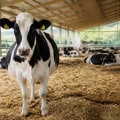
Understanding the types of animal waste generated on farms is essential for effective farm animal care and proper waste management. Different livestock produce various forms of waste, each requiring specific handling and disposal methods.- Cattle Manure: This is one of the most common types of animal waste on farms. Cattle manure is rich in nutrients and can be used as a natural fertilizer. However, it must be managed properly to prevent runoff and contamination of water sources.
- Poultry Litter: Comprising chicken droppings mixed with bedding materials, poultry litter is another significant waste type.
It is high in nitrogen and phosphorus, making it an excellent fertilizer when composted correctly.
- Swine Manure: Pig waste is typically more liquid than that of other livestock. It can be challenging to manage due to its high nutrient content and potential odor issues. Proper storage and treatment are crucial to minimize environmental impact.
- Sheep Manure: Sheep produce small, pellet-like droppings that are easier to handle compared to other types. This manure can also be composted and used effectively in gardens and fields.
For instance, while cattle manure can be spread directly on fields, poultry litter often requires composting to reduce pathogens before application. Understanding these differences not only aids in effective disposal but also enhances soil health and crop productivity.In summary, recognizing the various manure types generated by different livestock is vital for sustainable farming practices. Proper management of these wastes contributes significantly to the overall health of the farm ecosystem and ensures compliance with environmental regulations.
Health Risks Associated with Improper Waste Disposal
Improper disposal of animal waste on a farm can lead to significant health risks for both humans and animals. When waste is not managed correctly, it can become a breeding ground for various pathogens, which can result in the transmission of diseases.Potential Health Risks:
- Zoonotic Diseases: These are diseases that can be transmitted from animals to humans.
Common examples include salmonellosis, campylobacteriosis, and cryptosporidiosis. These infections can cause severe gastrointestinal issues and other health complications.
- Airborne Pathogens: Decomposing animal waste can release harmful gases and pathogens into the air, which can be inhaled by farm workers and nearby residents. This exposure can lead to respiratory problems and other health issues.
- Water Contamination: If animal waste is not disposed of properly, it can leach into nearby water sources, leading to contamination. This poses a risk not only to livestock but also to humans who rely on these water sources for drinking and irrigation.
- Pest Attraction: Improperly managed waste attracts pests such as rodents and flies, which can carry diseases.
These pests can further spread infections among animals and humans alike.
Best Practices for Animal Waste Disposal
Proper disposal of animal waste is crucial for maintaining farm animal care and ensuring environmental sustainability. Here are some of the best practices for effective animal waste disposal:- Composting Manure: Composting is one of the most effective methods for managing animal waste.
It involves collecting manure and organic materials, then allowing them to decompose over time. This process not only reduces pathogens but also transforms waste into nutrient-rich compost that can be used to enrich soil. To successfully compost manure, ensure a balanced mix of carbon-rich materials (like straw) and nitrogen-rich materials (like manure), maintain adequate moisture, and turn the pile regularly to aerate it.
- Anaerobic Digestion: This technique involves breaking down organic matter in the absence of oxygen, producing biogas that can be used as renewable energy. Anaerobic digestion not only helps in managing waste but also reduces greenhouse gas emissions.
Implementing this system requires investment in specialized equipment, but the long-term benefits include energy production and reduced waste volume.
- Land Application: Applying manure directly to fields can be an effective way to recycle nutrients back into the soil. However, it’s essential to follow best practices to prevent nutrient runoff and water contamination. Testing soil nutrient levels before application can help determine the appropriate amount of manure needed, ensuring that crops receive adequate nutrients without over-fertilization.
Composting Animal Waste: A Sustainable Approach
Composting animal waste is an effective and sustainable approach to managing manure on a farm.This process not only reduces waste but also enhances soil health and promotes crop production. Here’s how to properly compost animal waste:
- Gather Materials: Collect animal waste, bedding materials, and other organic matter such as kitchen scraps or yard waste. Aim for a balanced mix of carbon-rich (browns) and nitrogen-rich (greens) materials.
- Create a Compost Pile: Choose a well-drained location and build a compost pile or use a compost bin. Layer the materials, starting with coarse materials at the bottom to promote airflow.
- Maintain Moisture Levels: Keep the compost pile moist but not soggy.
A good rule of thumb is to aim for the moisture level of a wrung-out sponge.
- Turn the Pile: Regularly aerate the compost by turning it every few weeks. This helps speed up the decomposition process and prevents odors.
- Monitor Temperature: A well-maintained compost pile will heat up as microorganisms break down the materials. Aim for temperatures between 130°F and 160°F to effectively kill pathogens and weed seeds.
- Harvest the Compost: After several months, when the material has broken down into dark, crumbly compost, it’s ready to be used in your garden or fields.
- Improved Soil Structure: Compost enhances soil aeration and water retention, leading to healthier crops.
- Nutrient-Rich Fertilizer: Compost provides essential nutrients that promote plant growth without the need for chemical fertilizers.
- Reduced Environmental Impact: Composting minimizes methane emissions from landfills and reduces the risk of water pollution from runoff.
Regulations and Guidelines for Animal Waste Management
Proper management of animal waste is crucial for maintaining farm compliance and protecting the environment.Various regulations and guidelines exist to ensure that farmers handle waste responsibly, minimizing its impact on soil, water, and air quality.In the United States, the Environmental Protection Agency (EPA) oversees regulations related to animal waste management. These regulations are designed to prevent pollution from concentrated animal feeding operations (CAFOs) and other agricultural practices. Farmers must adhere to the following key guidelines:
- Permitting: Depending on the size of the operation, farmers may need to obtain a National Pollutant Discharge Elimination System (NPDES) permit. This permit outlines specific requirements for waste management practices.
- Nutrient Management Plans: Farmers are often required to develop a nutrient management plan that details how they will manage animal waste to prevent nutrient runoff into nearby water bodies.
- Record Keeping: Maintaining accurate records of waste generation, storage, and application is essential for compliance.
This documentation helps demonstrate adherence to regulations during inspections.
- Local Ordinances: Some counties or municipalities impose additional restrictions on waste disposal methods, such as prohibiting land application during certain weather conditions.
- Best Management Practices (BMPs): States often promote BMPs that encourage environmentally friendly waste management techniques, such as composting or anaerobic digestion.
Innovative Technologies in Animal Waste Disposal
As the agricultural industry evolves, innovative technologies in animal waste disposal are becoming increasingly vital for enhancing farm efficiency and sustainability. These advancements not only help in managing waste effectively but also contribute to environmental conservation.One of the most promising technologies is the use of anaerobic digestion.This process involves breaking down organic matter, such as animal waste, in the absence of oxygen. The result is biogas, which can be used as a renewable energy source, and digestate, a nutrient-rich fertilizer that can be applied back to the fields. This closed-loop system minimizes waste and maximizes resource use.Another innovative method is the implementation of composting systems. Modern composting techniques utilize aerated static piles or in-vessel composters that speed up the decomposition process.
These systems not only reduce the volume of waste but also transform it into high-quality compost that can improve soil health and fertility.
Smart technology
is also making waves in animal waste management. Sensors and IoT devices can monitor waste levels in real-time, allowing farmers to optimize collection schedules and reduce labor costs. Automated systems can even manage the separation of solids and liquids, making it easier to process waste efficiently.Furthermore, biofilters are being used to treat odors and gases emitted from animal waste. These systems utilize microorganisms to break down harmful compounds, improving air quality on farms and reducing the impact on surrounding communities.In conclusion, embracing these innovative disposal methods not only enhances operational efficiency but also aligns with sustainable farming practices.By integrating these technologies into their operations, farmers can significantly reduce their environmental footprint while maintaining productivity.
Frequently Asked Questions about Animal Waste Disposal
Proper disposal of animal waste is crucial for maintaining a healthy farm environment. Here are some frequently asked questions regarding animal waste disposal:- What is the best method for disposing of manure?
There are several effective methods for manure disposal, including composting, anaerobic digestion, and land application. Each method has its benefits and should be chosen based on the type of livestock, the volume of waste produced, and local regulations. - How often should I clean my animal enclosures?
Regular cleaning is essential to prevent the buildup of waste. It is recommended to clean animal enclosures at least once a week, but this may vary depending on the number of animals and the type of housing. - Can I use animal waste as fertilizer?
Yes, properly composted manure can be an excellent organic fertilizer.However, it’s important to ensure that it is fully decomposed to avoid pathogens and nutrient imbalances in your soil.
- What are the environmental impacts of improper waste disposal?
Improper disposal can lead to water contamination, soil degradation, and air pollution. It can also attract pests and create unpleasant odors, which can affect both farm operations and neighboring communities. - Are there regulations I need to follow for manure management?
Yes, many states have specific regulations regarding manure management to protect public health and the environment. It’s important to familiarize yourself with local laws and guidelines.
Conclusion: Key Takeaways on Animal Waste Disposal Practices
In conclusion, effective animal waste disposal is a critical component of farm animal care that directly impacts both the health of livestock and the surrounding environment. Proper management practices not only help maintain a clean and safe farm but also contribute to sustainable agricultural practices.Here are the key takeaways regarding animal waste disposal:- Understanding Waste Types: Different types of animal waste, such as manure, bedding, and feed waste, require specific disposal methods.
Recognizing these differences is essential for effective management.
- Composting: Composting is an environmentally friendly method that transforms animal waste into nutrient-rich fertilizer. This process reduces pathogens and odors while enhancing soil health.
- Manure Management Systems: Implementing systems like anaerobic digesters can convert waste into biogas, providing renewable energy while reducing greenhouse gas emissions.
- Regular Maintenance: Consistent cleaning schedules and proper storage solutions prevent the buildup of waste, minimizing health risks for both animals and humans.
- Regulatory Compliance: Adhering to local regulations regarding waste disposal is crucial. This ensures that farms operate within legal guidelines and maintain community trust.