Caring for farm animals is a fundamental aspect of agriculture that extends beyond mere husbandry; it encompasses the health, well-being, and productivity of these animals. As the backbone of many farming operations, animals such as cows, pigs, sheep, and chickens require dedicated attention and care to thrive. Understanding the nuances of farm animal care is essential not only for farmers but also for anyone interested in sustainable agriculture and animal welfare. The importance of animal care cannot be overstated. Proper care ensures that animals are healthy, which in turn leads to better yields and quality products.
For instance, well-cared-for dairy cows produce more milk, while healthy chickens lay more eggs. Additionally, ethical treatment of farm animals fosters a positive relationship between farmers and their livestock, promoting a more humane approach to farming practices. As we delve deeper into the specific needs of various farm animals, it becomes clear that each species has unique requirements. From dietary needs to housing conditions and healthcare, understanding these factors is crucial for anyone involved in animal husbandry. This exploration will not only highlight the responsibilities that come with caring for farm animals but also emphasize the rewarding nature of nurturing these creatures that play such a vital role in our food systems.
Caring for Cattle
Caring for cattle is a multifaceted responsibility that encompasses various aspects of animal husbandry.Whether you are managing dairy cows or beef cattle, understanding their specific needs is crucial for their health and productivity.
Nutrition
A balanced diet is essential for cattle. They require a mix of forages, grains, and supplements to meet their nutritional needs. For dairy cows, a diet rich in calcium and protein is vital for milk production, while beef cattle benefit from high-energy feeds to promote weight gain. Regularly testing the quality of feed and adjusting rations accordingly can help maintain optimal health.Cattle need shelter from extreme weather conditions, whether it be heat or cold. Well-ventilated barns or open pastures with access to shade can help keep them comfortable. Additionally, ensuring that the living area is clean and free from waste can prevent the spread of diseases.
Health Care
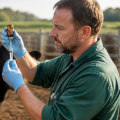
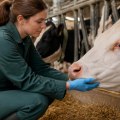
Regular health checks are essential for maintaining a healthy herd. Vaccinations, deworming, and routine veterinary visits should be part of your management plan.Monitoring for signs of illness, such as changes in appetite or behavior, allows for early intervention and treatment.
Handling Practices
Proper handling techniques are crucial for both the safety of the handler and the welfare of the cattle. Gentle handling reduces stress and promotes better behavior in cattle. Training them to respond to commands can facilitate easier management during feeding, milking, or veterinary care.In summary, effective cattle care involves a comprehensive approach that includes proper nutrition, suitable housing, proactive health management, and humane handling practices. By prioritizing these elements, farmers can ensure the well-being of their livestock and enhance productivity.Sheep Care Essentials
When it comes to sheep care, understanding their unique needs is essential for successful raising sheep.Proper management not only ensures the health of the flock but also enhances productivity, whether for wool, meat, or milk.
Feeding Requirements
Sheep are ruminants, which means they require a diet rich in fiber. A balanced diet typically includes:- Pasture: Fresh grass is ideal, but it should be free from toxic plants.
- Hay: High-quality hay can supplement their diet, especially during winter months.
- Grain: While not a primary food source, grains can be used to provide extra energy during pregnancy or lactation.
- Minerals and Vitamins: Ensure access to mineral blocks or supplements to prevent deficiencies.
Shearing and Grooming
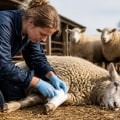
Regular shearing is crucial for sheep health. It helps prevent overheating and reduces the risk of skin diseases. Typically, sheep should be sheared at least once a year, ideally in the spring before the heat of summer sets in.Additionally, grooming helps remove dirt and debris from their fleece and allows for early detection of skin issues.
Health Monitoring
Monitoring the health of your sheep is vital. Here are some key practices:- Regular Check-ups: Schedule veterinary visits for vaccinations and health assessments.
- Deworming: Implement a deworming schedule based on fecal tests to manage internal parasites.
- Foot Care: Regular hoof trimming is necessary to prevent lameness and other foot-related issues.
- Observation: Keep an eye on their behavior and appetite; any changes can indicate health problems.
Poultry Care: Chickens and Beyond
Caring for poultry, especially chickens, is essential for both backyard enthusiasts and commercial farmers. Proper management ensures healthy birds, optimal egg production, and a sustainable farming operation.Housing Requirements
Chickens need a safe and comfortable environment to thrive. A well-constructed coop should provide:- Protection from predators: Ensure the coop is secure with sturdy materials and locks.
- Ventilation: Proper airflow helps prevent respiratory issues.
- Space: Each chicken requires at least 4 square feet of space inside the coop and 10 square feet in an outdoor run.
Feeding Practices
A balanced diet is crucial for the health of your chickens.Their diet should include:
- Commercial feed: High-quality layer feed provides essential nutrients.
- Fresh water: Always ensure access to clean water, as hydration is vital.
- Supplemental treats: Offer kitchen scraps, grains, and greens in moderation to enhance their diet.
Egg Production
To maximize egg production, consider the following:- Lighting: Chickens require about 14-16 hours of light daily to maintain consistent laying.
- Nesting boxes: Provide one nesting box for every 3-4 hens to encourage comfortable laying.
Disease Prevention
Maintaining the health of your flock is paramount. Implement these practices:- Regular health checks: Monitor for signs of illness such as lethargy or changes in egg production.
- Vaccination: Consult with a veterinarian about necessary vaccinations to protect against common diseases.
- Cleansing the coop: Regularly clean and disinfect the coop to minimize disease risk.
Swine Management Practices
Caring for pigs, or swine, involves understanding their unique needs and implementing effective management practices. Proper pig care is essential for ensuring their health and productivity.Diet and Nutrition
A balanced diet is crucial for the growth and overall health of pigs. Their diet should consist of:- Grains: Corn, barley, and wheat are common sources of energy.
- Protein sources: Soybean meal and fish meal provide essential amino acids.
- Vitamins and minerals: Supplementing with vitamins A, D, E, and minerals like calcium and phosphorus is vital for bone health.
Housing Conditions
The housing environment plays a significant role in swine health management.Key considerations include:
- Space: Pigs require adequate space to move around comfortably. Overcrowding can lead to stress and aggression.
- Ventilation: Proper airflow helps reduce humidity and ammonia levels, which can cause respiratory issues.
- Bedding: Providing clean bedding material helps maintain hygiene and comfort.
Health Management
Regular health checks are essential for early detection of diseases. Common health issues in pigs include:- Pneumonia: Often caused by poor ventilation or stress.
- Gastrointestinal disorders: Can result from improper diet or contaminated feed.
- Reproductive issues: Regular veterinary check-ups can help manage breeding health.
Equine Care: Horses and Donkeys
Caring for equines, such as horses and donkeys, requires a comprehensive understanding of their unique needs.Proper horse care and donkey care are essential for maintaining their health and well-being.
Nutrition
A balanced diet is crucial for both horses and donkeys. Horses typically require a diet rich in forage, such as hay or pasture, supplemented with grains and concentrates as needed. Donkeys, on the other hand, are prone to obesity and should primarily consume high-fiber hay with limited grain. Always ensure fresh, clean water is available at all times.Exercise
Regular exercise is vital for the physical and mental health of equines.Horses need daily exercise to maintain muscle tone and prevent behavioral issues. This can include riding, lunging, or turnout in a safe pasture. Donkeys also benefit from daily movement but may require less intense exercise due to their naturally lower energy levels.
Grooming
Grooming is an important aspect of equine health management. Regular brushing helps remove dirt, debris, and loose hair while promoting healthy skin and coat.Pay special attention to the hooves, cleaning them regularly to prevent issues such as thrush or laminitis. Additionally, check for any signs of skin irritations or injuries during grooming sessions.
Veterinary Care
Routine veterinary care is essential for both horses and donkeys. Schedule regular check-ups to monitor their health, vaccinations, and dental care. It’s also important to be aware of common health issues specific to each species; for instance, horses may suffer from colic while donkeys are more susceptible to metabolic disorders.By understanding these key aspects of equine care, owners can ensure their horses and donkeys lead healthy, fulfilling lives.Goat Care: A Versatile Farm Animal
Goats are increasingly popular on farms due to their versatility and relatively low maintenance needs.However, proper goat care is essential for their health and productivity. Here are some key aspects to consider when raising goats.
Feeding Practices
A balanced diet is crucial for goats. They are ruminants, which means they require a diet high in fiber. The primary components of a goat's diet should include:- Forage: Fresh grass, hay, and browse (leaves and twigs) should make up the majority of their diet.
- Grains: While not necessary for all goats, grains can be included to provide additional energy, especially for pregnant or lactating females.
- Minerals: Goats need access to a mineral block or loose minerals specifically formulated for them to ensure they receive essential nutrients.
Shelter Requirements
Providing adequate shelter is vital for goat care.Goats need a clean, dry place to protect them from harsh weather conditions. Key shelter considerations include:
- Space: Each goat should have at least 15-20 square feet of indoor space.
- Ventilation: Good airflow is necessary to prevent respiratory issues.
- Fencing: Strong fencing is essential as goats are known for their escape artist tendencies.
Common Health Issues
Regular health management is crucial for maintaining goat health. Some common health issues include:- Parasites: Internal and external parasites can affect goats; regular deworming and fecal testing are recommended.
- Mastitis: This infection of the udder can occur in lactating females; proper milking techniques and hygiene can help prevent it.
- Nutritional Deficiencies: Monitor for signs of deficiencies such as poor coat condition or lethargy, which may indicate dietary adjustments are needed.
Common Health Issues in Farm Animals
Farm animals are susceptible to a variety of health issues that can impact their well-being and productivity. Understanding these common health problems is essential for any farmer aiming to maintain a healthy environment.Common Diseases in Farm Animals
- Respiratory Infections: Conditions such as pneumonia are prevalent, especially in crowded or poorly ventilated barns.
Symptoms include coughing, nasal discharge, and difficulty breathing.
- Digestive Disorders: Issues like bloat and colic can affect ruminants. These conditions often arise from sudden dietary changes or poor-quality feed.
- Parasitic Infections: Internal and external parasites, such as worms and ticks, can lead to significant health problems. Regular deworming and pest control are crucial.
- Foot and Mouth Disease: This viral disease affects cattle and can spread rapidly. Vaccination is key to prevention.
- Mastitis: Common in dairy cows, this infection of the udder can reduce milk production and affect milk quality.
Preventing Animal Diseases
Preventive measures play a vital role in maintaining the health of farm animals.Here are some effective strategies:
- Regular Health Check-ups: Schedule routine veterinary visits to monitor the health of your animals and catch any issues early.
- Vaccination Programs: Implement a vaccination schedule tailored to the specific needs of your farm animals to protect against common diseases.
- Proper Nutrition: Ensure that animals receive a balanced diet rich in essential nutrients to boost their immune systems.
- Clean Living Conditions: Maintain clean and dry housing to reduce the risk of infections and promote overall health.
- Stress Reduction: Minimize stress through proper handling techniques and providing adequate space for movement.
FAQs About Farm Animal Care
When it comes to farm animal care, many questions arise regarding the best practices for keeping these animals healthy and happy. Here are some frequently asked questions that can help guide new and experienced farmers alike.What are the basic needs of farm animals?
Farm animals require several basic needs to thrive:- Food: A balanced diet tailored to the specific species is essential.
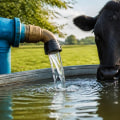
- Water: Fresh and clean water should always be available.
- Shelter: Protection from harsh weather conditions is crucial.
- Healthcare: Regular veterinary check-ups and vaccinations are necessary.
- Social Interaction: Many farm animals are social creatures and benefit from companionship.
How often should I feed my farm animals?
The feeding schedule can vary based on the type of animal:- Cattle: Typically fed twice a day, but grazing can supplement their diet.
- Pigs: Usually fed once or twice daily, depending on their age and size.
- Poultry: Should have access to food throughout the day, with specific feeding times for layers and broilers.
What are common health issues in farm animals?
Farm animals can face various health challenges, including:- Respiratory Infections: Common in crowded conditions.
- Parasites: Internal and external parasites can affect health and productivity.
- Nutritional Deficiencies: Lack of essential nutrients can lead to serious health problems.
Conclusion: The Importance of Proper Farm Animal Care
In conclusion, proper farm animal care is essential for the health and productivity of livestock. Throughout this article, we have explored various aspects of caring for common farm animals, including their nutritional needs, housing requirements, and health management.Each type of animal, from cattle to chickens, has unique needs that must be met to ensure their well-being.Neglecting these needs can lead to serious consequences, not only for the animals themselves but also for the farmers who rely on them. Healthy animals are more productive, yielding better milk, meat, and eggs, which directly impacts the profitability of a farm. Furthermore, animal welfare is increasingly becoming a priority for consumers, making it imperative for farmers to adopt humane practices.To summarize the key points:
- Nutritional Needs: Providing a balanced diet tailored to each species is crucial.
- Housing Conditions: Safe and comfortable living environments protect animals from stress and disease.
- Health Management: Regular veterinary check-ups and vaccinations are vital for preventing illness.
- Behavioral Needs: Understanding and accommodating natural behaviors can enhance animal welfare.