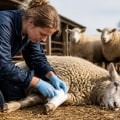
In the realm of farm animal care, understanding the significance of deworming is crucial for ensuring the health and productivity of livestock. Parasites, such as worms, can wreak havoc on an animal's well-being, leading to a range of health issues that can compromise their growth, reproduction, and overall vitality. Regular deworming is not merely a preventive measure; it is an essential component of a comprehensive health management program that safeguards the welfare of farm animals. Farm animals, including cattle, sheep, goats, and pigs, are particularly susceptible to parasitic infections due to their living conditions and feeding habits. These parasites can cause malnutrition, anemia, and even death if left unchecked.
By implementing a strategic deworming schedule, farmers can effectively control these parasites, thereby enhancing the health and productivity of their herds. This proactive approach not only benefits the animals but also contributes to the economic viability of the farm. Moreover, understanding the life cycles of common parasites and their impact on animal health is vital for effective parasite control. Different species may require different deworming protocols, and factors such as age, weight, and environmental conditions play a significant role in determining the appropriate treatment. As we delve deeper into this topic, we will explore how often farm animals should be dewormed and the best practices for maintaining optimal health in your livestock.
Common Parasites Affecting Farm Animals
Farm animals are susceptible to a variety of parasites that can significantly impact their health and productivity.Understanding these common parasites is crucial for effective farm animal care.
- Gastrointestinal Worms: These include species such as Haemonchus contortus (barber pole worm) and Ostertagia ostertagi. They thrive in the digestive tracts of ruminants, leading to symptoms like weight loss, diarrhea, and anemia.
- External Parasites: Ticks, lice, and mites fall into this category. They can cause skin irritations, transmit diseases, and lead to significant discomfort for the animals.
- Coccidia: This protozoan parasite affects the intestinal lining of young animals, particularly in poultry and calves. It can result in severe diarrhea and dehydration.
- Flukes: Liver flukes, such as Fasciola hepatica, can infect cattle and sheep, leading to liver damage and reduced productivity.
For instance, gastrointestinal worms can survive in pasture for extended periods, making it essential for farmers to implement regular deworming protocols.The effects of these parasites extend beyond individual animal health; they can also impact overall herd productivity. Infected animals may exhibit reduced growth rates, lower milk production, and increased susceptibility to other diseases. Therefore, recognizing the signs of parasitic infections early on is vital for maintaining a healthy farm.In conclusion, being aware of the common parasites affecting farm animals is a key component of effective farm animal care. Regular monitoring and appropriate management strategies can help mitigate the risks associated with these harmful organisms.
Signs That Your Farm Animals Need Deworming
Recognizing the signs of parasite infestation in your farm animals is crucial for maintaining their health and productivity.Parasites can lead to a range of health issues, and early detection is key to effective treatment.Here are some common symptoms that may indicate your farm animals need deworming:
- Weight Loss: A sudden drop in weight or failure to gain weight can be a clear sign of parasitic infection.
- Poor Coat Condition: Dull, rough, or patchy fur or feathers may suggest that your animals are not absorbing nutrients properly due to parasites.
- Diarrhea: Frequent loose stools can indicate gastrointestinal parasites, which can lead to dehydration and further health complications.
- Abdominal Distension: A bloated appearance in the abdomen may signal a heavy parasite load, particularly in ruminants.
- Lethargy: If your animals seem unusually tired or inactive, it could be a sign that they are battling an internal parasite infestation.
- Changes in Appetite: A decrease in appetite or unusual eating behaviors can also be indicative of parasitic issues.
How Often Should Farm Animals Be Dewormed?
Determining how often to deworm farm animals is crucial for maintaining their health and productivity. The frequency of deworming can vary significantly based on several factors, including the type of animal, their age, and the specific environmental conditions they are exposed to.General Deworming Guidelines:- Cattle: Adult cattle should typically be dewormed every 6 to 12 months, while calves may require more frequent treatments, approximately every 3 to 4 months, due to their increased vulnerability to parasites.
- Sheep and Goats: For sheep and goats, a deworming schedule of every 3 to 6 months is recommended.
Young animals should be monitored closely and may need deworming as often as every 2 to 3 months.
- Pigs: Swine should be dewormed at least twice a year, but young pigs may require treatment every 3 months until they reach maturity.
- Poultry: Chickens and other poultry can be dewormed every 3 to 6 months, depending on their living conditions and exposure to parasites.
Factors Influencing Deworming Frequency
Determining how often to deworm farm animals is not a one-size-fits-all approach.Several factors can significantly influence the deworming schedule, ensuring that each animal receives the appropriate care based on its unique circumstances.
Environmental Factors
The environment in which farm animals are raised plays a crucial role in their susceptibility to parasites. For instance, animals in wet and humid climates are more prone to parasitic infections due to the favorable conditions for parasite survival and reproduction. Conversely, drier environments may reduce the risk of certain parasites. Farmers should regularly assess their pastures and living conditions, as overcrowding and poor sanitation can also increase the likelihood of infestations.Animal Age and Health
The age and overall health of farm animals are critical considerations when establishing a deworming schedule.Young animals, such as calves and lambs, are generally more vulnerable to parasites due to their developing immune systems. As a result, they may require more frequent deworming compared to adult animals. Additionally, animals that are stressed or have compromised health may also need more regular treatments, as their bodies are less capable of fighting off infections.In summary, understanding these factors—environmental conditions, age, and health status—can help farmers create a tailored deworming plan that promotes optimal farm animal care. Regular monitoring and adjustments based on these variables will ensure that farm animals remain healthy and productive.
Best Practices for Deworming Farm Animals
When it comes to deworming farm animals, implementing best practices is crucial for ensuring the health and productivity of your livestock.Here are some effective and safe deworming methods to consider:
- Regular Monitoring: Conduct regular fecal examinations to determine the presence of parasites. This helps in making informed decisions about when and how to deworm.
- Species-Specific Treatments: Different species of farm animals may require different deworming medications. Always consult with a veterinarian to choose the appropriate dewormer for each species, whether it be cattle, sheep, goats, or pigs.
- Rotate Dewormers: To prevent resistance, rotate between different classes of dewormers. This practice helps maintain the effectiveness of the medications over time.
- Follow Dosage Guidelines: Administer the correct dosage based on the animal's weight and age.
Overdosing can lead to toxicity, while underdosing may not effectively eliminate parasites.
- Timing is Key: Deworming should be timed according to the life cycle of the parasites. For instance, many farmers choose to deworm at strategic points in the year, such as before breeding or after weaning.
- Oral Administration: Many dewormers come in liquid or paste form that can be easily administered orally. This method is often preferred for its ease and effectiveness.
- Injectable Options: Some dewormers are available in injectable forms, which can provide rapid results and are useful for animals that are difficult to handle.
- Feed Additives: Incorporating dewormers into feed can simplify administration, especially for large groups of animals.
Deworming Products: What You Need to Know
When it comes to farm animal care, selecting the right deworming products is crucial for maintaining the health and productivity of your livestock. There are several types of dewormers available, each designed to target specific parasites.- Benzimidazoles: These are broad-spectrum dewormers effective against a variety of gastrointestinal worms.
They are often used in cattle, sheep, and goats.
- Macrocyclic Lactones: This class includes ivermectin and moxidectin, which are effective against both internal and external parasites. They are commonly used in cattle, sheep, and horses.
- Praziquantel: Primarily used for treating tapeworms, this dewormer is effective in both large and small ruminants.
- Levamisole: This product is effective against roundworms and is often used in sheep and goats.
- Target Parasite: Identify the specific parasites affecting your animals to select the most effective treatment.
- Animal Species: Different species may require different formulations or dosages, so always check the label for species-specific recommendations.
- Withdrawal Times: Be aware of any withdrawal times for meat or milk production to ensure compliance with food safety regulations.
- Resistance Management: Rotate dewormers to prevent resistance development among parasites. Using a combination of products can also be beneficial.
Some dewormers may have side effects or contraindications based on the animal's age, health status, or concurrent medications. Consulting with a veterinarian can help ensure that you choose safe and effective deworming products tailored to your farm's specific needs.
FAQs About Deworming Farm Animals
When it comes to deworming farm animals, many owners have questions about the best practices and frequency. Here are some of the most frequently asked questions:1.How often should I deworm my farm animals?
The frequency of deworming can vary based on several factors, including the type of animal, their age, and the environment they are in. Generally, it is recommended to deworm:- Cattle: every 6 to 12 months
- Sheep and goats: every 3 to 6 months
- Pigs: every 3 to 4 months
- Poultry: as needed, typically every few months depending on the risk of infestation
2.What signs indicate that my animals need deworming?
Look for signs such as:- Weight loss or poor body condition
- Poor coat quality or excessive shedding
- Diarrhea or abnormal feces
- Lethargy or decreased activity levels
3.Are there any risks associated with deworming?
While deworming is essential for maintaining the health of your farm animals, over-deworming can lead to resistance.It’s crucial to follow veterinary recommendations and use the appropriate medications.
4.Can I deworm my animals myself?
While some farmers choose to administer dewormers themselves, it is advisable to consult with a veterinarian for proper dosage and timing. This ensures that you are using the right product for your specific animals and their needs.By addressing these common concerns, you can better manage your farm animal care practices and ensure the health and well-being of your livestock.Conclusion: Ensuring Healthy Farm Animals Through Proper Deworming Practices
In conclusion, maintaining the health of farm animals through regular deworming is a critical aspect of farm animal care. As we have discussed, the frequency of deworming can vary based on several factors, including the type of animal, their age, and the specific environmental conditions they are exposed to. By adhering to a well-structured deworming schedule, farmers can significantly reduce the risk of parasitic infections that can lead to serious health issues.It is essential to recognize that preventive care is far more effective than reactive treatment.Regular deworming not only helps in keeping the animals healthy but also enhances their productivity, ensuring that they grow and reproduce effectively. This is particularly important for livestock that are integral to the farm's economic viability.
- Monitor Animal Health: Regular health checks can help identify any signs of parasitic infections early on.
- Consult with Veterinarians: Working closely with a veterinarian can provide tailored deworming schedules based on specific needs.
- Consider Environmental Factors: Pasture management and hygiene play a significant role in parasite control.