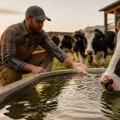
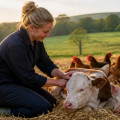
In the realm of farm animal care, understanding the significance of shearing and trimming is crucial for ensuring the health and well-being of livestock. These grooming practices are not merely cosmetic; they play a vital role in maintaining the overall condition of animals, particularly those with thick coats or long hair. Regular shearing and trimming help prevent various health issues, including skin infections, overheating, and discomfort caused by matted fur. For instance, sheep require annual shearing to remove their heavy fleece, which can otherwise lead to overheating during warmer months. Similarly, goats and horses benefit from regular trimming to keep their hooves healthy and prevent painful overgrowth.
By prioritizing these grooming practices, farmers can enhance the quality of life for their animals while also improving productivity, as well-groomed animals are often healthier and more efficient in their roles. Moreover, animal grooming fosters a bond between the farmer and the livestock. It provides an opportunity for farmers to inspect their animals closely for any signs of illness or distress. This proactive approach not only contributes to better animal welfare but also ensures that farmers can address potential health issues before they escalate. As we delve deeper into the specifics of how often farm animals should be sheared or trimmed, it becomes clear that these practices are integral to effective farm animal care.
Factors Influencing Shearing and Trimming Frequency
When it comes to shearing and trimming farm animals, several key factors play a crucial role in determining the appropriate frequency for these practices.Understanding these factors can significantly enhance animal health care and overall farm management.
- Breed: Different breeds of farm animals have varying needs when it comes to their coats. For instance, sheep breeds like Merino require more frequent shearing due to their dense wool, while other breeds may need less frequent attention. Understanding the specific requirements of each breed is essential for optimal care.
- Climate: The environment in which the animals are raised greatly influences shearing and trimming schedules. In warmer climates, animals may need to be sheared more often to prevent overheating, while in colder regions, maintaining a thicker coat can be beneficial for insulation.
- Purpose of the Animal: The intended use of the animal also affects how often they should be sheared or trimmed.
For example, show animals may require more frequent grooming to maintain a pristine appearance, whereas working animals might have different grooming needs based on their activity levels.
- Health Considerations: Regular checks for skin conditions or parasites can dictate shearing frequency. Animals with skin issues may benefit from more frequent trimming to promote healing and prevent further complications.
Shearing Schedules for Different Farm Animals
Understanding the specific shearing schedules for different farm animals is crucial for their health and well-being. Each species has unique needs that must be addressed to ensure optimal care.Sheep Shearing
Sheep typically require shearing at least once a year, usually in the spring before the heat of summer sets in.This helps prevent overheating and reduces the risk of skin diseases. In some cases, particularly for breeds with heavy wool, a second shearing may be necessary in late summer.
Goat Trimming
Goats, especially those with long hair, should be trimmed at least twice a year. The first trim can occur in early spring to prepare them for warmer weather, while the second can take place in late fall to remove excess hair before winter. Regular trimming not only keeps them comfortable but also helps maintain their hygiene.Horse Grooming
Horses require grooming rather than traditional shearing, but they do need their coats managed seasonally.In spring and fall, horses may shed their winter or summer coats, and regular brushing during these times is essential. Additionally, mane and tail trimming can be done as needed to keep them tidy and manageable.
Cow Care
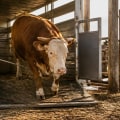
Cows generally do not require shearing; however, they benefit from regular grooming to remove dirt and debris from their coats. This can be done as often as needed, especially before shows or sales. Keeping their coats clean helps prevent skin issues and promotes overall health. In summary, adhering to these specific shearing schedules and grooming practices is vital for maintaining the health and comfort of farm animals.Regular attention to their needs not only enhances their quality of life but also contributes to better productivity on the farm.
Best Practices for Shearing and Trimming Techniques
When it comes to shearing and trimming farm animals, employing the right techniques is crucial for ensuring their safety and comfort. Here are some best practices to consider:Shearing Techniques
- Choose the Right Time: Shearing should ideally be done in early spring before the heat of summer sets in. This timing helps prevent overheating and promotes better health.
- Use Proper Equipment: Invest in high-quality shears or clippers designed specifically for the type of animal you are working with. Dull blades can cause discomfort and lead to injuries.
- Calm the Animal: Before starting, ensure the animal is calm.
Use gentle handling techniques and, if necessary, a sedative prescribed by a veterinarian to reduce stress.
- Work Methodically: Start from the neck and work your way down, ensuring even coverage. Avoid rushing through the process to minimize the risk of cuts or nicks.
Trimming Techniques
- Regular Maintenance: Establish a routine for trimming hooves or nails, typically every 6-8 weeks, depending on the species. Regular maintenance prevents overgrowth and associated health issues.
- Inspect Before Trimming: Always check for signs of infection or injury before trimming. If any issues are found, consult a veterinarian before proceeding.
- Use Appropriate Tools: Use sharp hoof trimmers or clippers that are suitable for the specific animal.
This ensures a clean cut and reduces stress on the animal.
- Be Gentle: Handle the animal with care during trimming. Secure them safely but gently to avoid causing panic or injury.
Signs That Your Farm Animals Need Shearing or Trimming
Recognizing the signs that your farm animals need shearing or trimming is crucial for their overall health and well-being. Here are some key indicators to watch for:- Excessive Shedding: If you notice that your animals are shedding more than usual, it may be time for a trim. This can indicate that their coat has become too long and is no longer effective in regulating their body temperature.
- Matting or Tangles: A coat that is matted or tangled can trap moisture and dirt, leading to skin irritations or infections.
Regular grooming helps prevent these issues.
- Behavioral Changes: If your animals seem restless, agitated, or are scratching more than usual, it could be a sign that their coat is uncomfortable. This discomfort often arises from an unkempt coat.
- Visible Dirt and Debris: A dirty coat can harbor parasites and bacteria. If you see a buildup of dirt, it’s a clear indication that your animals need grooming.
- Temperature Regulation Issues: Animals with long coats may struggle to stay cool in warmer weather. If you notice them panting excessively or seeking shade more often, it might be time to shear them.
For instance, sheep typically require shearing at least once a year, while goats may need trimming more frequently depending on their coat type. Keeping an eye on these indicators will help ensure that your farm animals remain healthy and comfortable.
Common Myths About Shearing and Trimming Farm Animals
When it comes to shearing and trimming farm animals, several myths can lead to confusion among farmers and animal caretakers. Understanding these misconceptions is crucial for effective farm animal care.- Myth 1: Shearing is harmful to animals. Many believe that shearing can cause stress or harm to animals. In reality, when done correctly, shearing is a necessary practice that promotes health and comfort.
It helps prevent overheating and reduces the risk of skin infections.
- Myth 2: Animals should only be sheared once a year. While some may think that annual shearing is sufficient, the frequency actually depends on the breed and climate. For instance, sheep in warmer climates may require more frequent shearing to maintain their well-being.
- Myth 3: Trimming hooves is optional. Some farmers underestimate the importance of regular hoof trimming. Neglecting this practice can lead to serious health issues, including lameness and infections. Regular hoof care is essential for the overall health of farm animals.
- Myth 4: All animals need the same shearing schedule. Different species and breeds have unique needs when it comes to shearing.
For example, goats may require less frequent shearing than sheep. Understanding these differences is key to effective farm animal care.
The Role of Seasonal Changes in Shearing and Trimming Needs
Understanding the seasonal changes that affect farm animals is crucial for effective animal care. Different seasons bring varying temperatures and environmental conditions, which can significantly influence the frequency and necessity of shearing and trimming.Spring Shearing Needs
As temperatures begin to rise in spring, many farmers find it essential to shear their animals, particularly sheep and goats. This is because their thick winter coats can lead to overheating as the weather warms.Shearing in early spring helps to keep these animals comfortable and healthy during the hotter months.
Summer Grooming Tips
During the summer, regular grooming becomes vital. Animals like llamas and alpacas may require trimming to prevent heat stress. Additionally, keeping their coats clean and free of debris can help reduce the risk of skin infections. Farmers should check for any signs of discomfort or excessive sweating, which may indicate that trimming is necessary.Autumn Preparations
As autumn approaches, it’s important to prepare animals for the colder months ahead.This often means allowing their coats to grow thicker for insulation. However, some animals may still need a light trim to remove any dead hair or debris accumulated over the summer.
Winter Considerations
In winter, most farm animals do not require shearing, as their natural coats provide essential warmth. However, monitoring their condition is crucial; if an animal appears overly matted or dirty, a gentle trim may be necessary to maintain hygiene without compromising warmth.In summary, understanding how climate effects influence seasonal grooming needs is key to maintaining optimal health for farm animals. By adjusting shearing and trimming schedules according to seasonal changes, farmers can ensure their animals remain comfortable and healthy throughout the year.Conclusion: Key Takeaways on Farm Animal Shearing and Trimming Care
In summary, the care of farm animals through proper shearing and trimming practices is essential for their overall health and well-being.Regular maintenance not only enhances the animals' comfort but also plays a crucial role in preventing health issues that can arise from neglect.
Key takeaways
from our discussion include:- Frequency of Shearing: Different species have varying needs; for instance, sheep typically require shearing once a year, while goats may need it more frequently depending on their breed and climate.
- Seasonal Considerations: Timing is critical. Shearing should ideally be done before the warmer months to prevent overheating and to promote healthy fleece growth.
- Health Monitoring: Regular shearing allows for better visibility of skin conditions, parasites, or injuries that may otherwise go unnoticed.
- Professional Help: While some farmers may choose to shear their animals themselves, enlisting the help of a professional can ensure that the process is done safely and effectively.