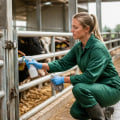
Extreme weather conditions pose significant challenges to farm animal care, impacting not only the health and well-being of livestock but also the overall productivity of farming operations. From blistering heatwaves to frigid cold snaps, animals are vulnerable to a range of stressors that can lead to serious health issues. Understanding how these conditions affect farm animals is crucial for implementing effective protection strategies. For instance, during periods of extreme heat, animals can suffer from heat stress, which may result in decreased feed intake, lower milk production, and even increased mortality rates. Conversely, in cold weather, animals face risks such as hypothermia and frostbite, particularly if they lack adequate shelter or insulation.
These environmental extremes can compromise animal welfare, making it essential for farmers to recognize the signs of distress and take proactive measures. Moreover, the impact of extreme weather extends beyond immediate physical health concerns; it can also affect the psychological well-being of farm animals. Stressful conditions can lead to behavioral changes, increased aggression, and a decline in social interactions among herds. Therefore, understanding the multifaceted effects of extreme weather on farm animals is vital for developing comprehensive care strategies that ensure their safety and comfort.
Assessing Weather Risks for Farm Animals
Farmers must first identify the specific weather risks that their animals face to effectively protect them from extreme conditions. This involves understanding the local climate and how it can impact livestock health and productivity.Heatwaves
pose significant risks, particularly for animals like cattle and sheep that are sensitive to high temperatures.Farmers should monitor temperature forecasts and be aware of signs of heat stress, such as excessive panting, drooling, or lethargy. Implementing shade structures and ensuring access to fresh water can mitigate these risks.On the other hand, cold snaps can be equally detrimental, especially for young or vulnerable animals. Farmers should assess the insulation of barns and shelters, ensuring they are equipped to retain heat during frigid temperatures. Providing extra bedding and windbreaks can help keep animals warm and comfortable.Severe storms, including heavy rain, snow, or high winds, can also threaten farm animals.
It is crucial for farmers to evaluate the structural integrity of animal housing and fencing. Regular inspections before storm seasons can prevent injuries caused by falling debris or flooding.To effectively assess weather impacts on livestock, farmers can:
- Utilize weather forecasting tools: Keeping up with local weather reports helps in planning ahead for extreme conditions.
- Conduct regular health checks: Monitoring animal health during adverse weather can help identify issues early.
- Engage with local agricultural extension services: These resources often provide valuable insights into managing livestock during extreme weather.
Creating Safe Shelter for Farm Animals
Providing adequate shelter is crucial for farm animal care, especially during extreme weather conditions. A well-designed shelter not only protects livestock from harsh temperatures but also promotes their overall health and well-being.Farm animal shelter design
should take into account the specific needs of the animals, as different species have varying requirements. Here are some key considerations:- Location: Choose a site that is elevated and well-drained to prevent flooding and ensure proper ventilation.
- Size: Ensure the shelter is spacious enough for the animals to move freely, lie down comfortably, and avoid overcrowding.
- Ventilation: Proper airflow is essential to reduce humidity and prevent respiratory issues.
Incorporate windows or vents that can be adjusted based on weather conditions.
- Insulation: Use materials that provide adequate insulation to keep the shelter warm in winter and cool in summer. Insulated panels or straw bales can be effective.
- Roofing: A sloped roof can help with rain runoff, while overhangs provide shade during hot weather. Consider using durable materials that can withstand severe weather.
Furthermore, ensure that all structures are secure to prevent predators from accessing the animals.Regular maintenance of the shelter is also vital. Inspect for any damage or wear and tear, and make necessary repairs promptly to ensure the safety and comfort of your animals. By investing time and resources into creating a safe and effective shelter, farmers can significantly enhance their farm animal care practices and protect their livestock from extreme weather events.
Implementing Proper Nutrition and Hydration Strategies
Extreme weather conditions can significantly impact farm animal care, particularly in terms of nutrition and hydration. Farmers must adapt their feeding strategies to ensure that livestock receive the necessary nutrients to maintain health and resilience during these challenging times.Adjusting Nutrition for Extreme Weather
During periods of extreme heat or cold, animals may have different nutritional needs.For instance, in hot weather, livestock may require higher energy feeds to compensate for increased metabolic rates and to help them cope with heat stress. Conversely, in cold weather, animals need more caloric intake to maintain body temperature. Here are some strategies:
- Increase Energy Sources: Incorporate more grains or high-energy feeds into the diet during extreme temperatures.
- Monitor Body Condition: Regularly assess the body condition of your animals to adjust feed accordingly.
- Supplementation: Consider adding vitamins and minerals that support immune function and overall health.
Ensuring Adequate Hydration
Hydration is crucial for maintaining animal health, especially during extreme weather. Dehydration can lead to serious health issues, including decreased productivity and increased susceptibility to disease.Here are some effective hydration strategies:
- Provide Fresh Water: Ensure that animals have access to clean, fresh water at all times. In freezing temperatures, consider using heated water troughs.
- Monitor Water Intake: Keep an eye on how much water your livestock consumes, as changes can indicate health issues.
- Add Electrolytes: In hot weather, providing electrolyte solutions can help replenish lost minerals and encourage drinking.
Monitoring Animal Health During Extreme Weather Events
Extreme weather events can pose significant risks to the health and well-being of farm animals.Monitoring livestock health
during these times is crucial for preventing illness and ensuring that animals receive the care they need. Farmers should implement a systematic approach to observe their animals closely, especially during periods of extreme heat, cold, or storms.One effective method for monitoring animal health is to establish a routine check-up schedule.This includes:
- Daily Observations: Spend time each day observing your animals for any changes in behavior, appetite, or physical condition.
- Temperature Checks: Regularly check the body temperature of livestock, as elevated temperatures can indicate heat stress or illness.
- Hydration Monitoring: Ensure that animals have constant access to fresh water, as dehydration can quickly become a serious issue during extreme heat.
- Increased Vocalization: Animals may become more vocal when they are stressed or uncomfortable.
- Changes in Eating Habits: A sudden decrease in feed intake can indicate that an animal is not feeling well.
- Restlessness or Aggression: Animals may exhibit unusual behavior, such as pacing or aggression towards other animals.
- Panting or Excessive Sweating: In hot weather, panting can be a sign of heat stress, while shivering in cold conditions indicates discomfort.
Utilizing Technology for Enhanced Animal Care
In the face of extreme weather conditions, technology plays a crucial role in enhancing farm animal care.By leveraging innovative solutions, farmers can monitor their livestock more effectively and ensure their well-being during adverse weather events.One of the most significant advancements in this area is the use of sensors. These devices can be placed in animal housing or grazing areas to monitor environmental conditions such as temperature, humidity, and air quality. For instance, temperature sensors can alert farmers when conditions become too hot or cold, allowing them to take immediate action to protect their animals.Additionally, automated systems can help manage feeding and watering schedules based on real-time weather data. For example, smart feeding systems can adjust the amount of feed provided based on the energy needs of animals during extreme heat or cold.
This not only ensures that animals receive adequate nutrition but also helps prevent stress-related health issues.Another innovative solution is the use of wearable technology for livestock. Devices such as GPS collars or health monitors can track an animal's location and vital signs. This information is invaluable during severe weather events, as it allows farmers to quickly locate and assess the health of their animals. Furthermore, these devices can provide alerts if an animal is showing signs of distress or illness, enabling timely intervention.Farmers can also utilize smart farming solutions, which integrate various technologies into a cohesive system.
For example, a farm management platform can combine data from sensors, weather forecasts, and animal health records to provide actionable insights. This holistic approach allows farmers to make informed decisions about sheltering animals, adjusting feeding practices, and implementing other necessary measures to safeguard their livestock.In conclusion, by embracing technology in farm animal care, farmers can significantly enhance their ability to protect animals from extreme weather conditions. From sensors and automated systems to wearable technology and smart farming solutions, these tools not only improve animal welfare but also contribute to more efficient farm management.
Emergency Preparedness Plans for Farmers
Creating an effective emergency preparedness plan is crucial for farmers to safeguard their livestock during extreme weather events. A well-structured plan not only protects animals but also ensures the overall resilience of the farm.Here are key components to consider when developing your plan:
- Risk Assessment: Begin by identifying potential weather-related risks specific to your region, such as floods, hurricanes, or extreme heat. Understanding these risks will help tailor your emergency response.
- Emergency Contacts: Compile a list of essential contacts, including local veterinarians, animal control, and emergency services. Ensure that all farm staff are familiar with this list.
- Evacuation Routes: Plan and clearly mark evacuation routes for both animals and personnel. Practice these routes regularly to ensure everyone knows how to respond quickly in an emergency.
- Shelter Preparation: Assess existing shelters and make necessary upgrades to withstand severe weather.
Ensure that barns and enclosures are structurally sound and equipped with adequate ventilation and drainage.
- Animal Care Supplies: Stockpile essential supplies such as food, water, medications, and first aid kits. Regularly check expiration dates and replenish supplies as needed.
- Training and Drills: Conduct regular training sessions for all farm workers on emergency procedures. Simulate various scenarios to ensure everyone is prepared for real-life situations.
This ensures that your strategies remain effective and relevant as conditions change over time. By taking these proactive steps, farmers can significantly enhance the safety and well-being of their livestock during extreme weather conditions.
Best Practices for Post-Weather Recovery of Farm Animals
After extreme weather events, the recovery of farm animals is crucial for their health and productivity. Implementing effective post-storm recovery strategies can significantly enhance the well-being of livestock.Assessing the Situation
- Begin by conducting a thorough assessment of the animals' physical condition. Look for signs of injury, stress, or illness.
- Check the integrity of shelters and fencing to ensure that animals are safe from further exposure to harsh conditions.
Nutritional Support
- Provide fresh, clean water immediately, as dehydration can occur quickly after storms.
- Replenish feed supplies with high-quality nutrition to help animals regain strength.
Consider offering electrolyte solutions for livestock that may be dehydrated or stressed.
Veterinary Care
- Consult a veterinarian to evaluate any injuries or health issues that may have arisen due to the storm.
- Vaccinations may be necessary if animals have been exposed to contaminated environments.
Environmental Management
- Ensure that living areas are clean and dry. Remove debris and provide adequate bedding to keep animals comfortable.
- If possible, relocate animals to safer pastures that are less affected by flooding or other storm damage.
Monitoring and Observation
- Keep a close eye on animal behavior and health for several weeks following the event. Look for signs of stress or illness that may develop later.
- Document any changes in behavior or health to discuss with your veterinarian during follow-up visits.
Frequently Asked Questions about Farm Animal Care in Extreme Weather
Farmers often have pressing questions about how to best protect their livestock during extreme weather conditions.Here are some frequently asked questions regarding farm animal care in such situations:
- What are the signs that my animals are suffering from heat stress?
Animals may exhibit signs of heat stress such as excessive panting, drooling, lethargy, and a decreased appetite. It's crucial to monitor their behavior closely during hot weather. - How can I keep my animals cool during a heatwave?
Providing ample shade, ensuring access to fresh water, and using fans or misters in barns can help keep animals cool. Additionally, consider adjusting feeding schedules to cooler parts of the day. - What precautions should I take for my animals during cold weather?
Ensure that animals have adequate shelter that is dry and insulated. Bedding should be plentiful to provide warmth, and water sources should be checked regularly to prevent freezing. - How can I prepare my farm for severe storms?
Secure all structures and equipment, create an emergency plan for evacuating animals if necessary, and ensure that all animals are easily accessible for quick movement if needed. - Are there specific breeds that handle extreme weather better?
Some breeds are more resilient to extreme temperatures.For example, Brahman cattle are known for their heat tolerance, while Cold-hardy sheep, like the Suffolk, can withstand colder climates better than others.
Conclusion: Key Takeaways for Protecting Farm Animals from Extreme Weather
In conclusion, protecting farm animals from extreme weather conditions is a multifaceted approach that requires careful planning and proactive measures. As we have discussed, the well-being of livestock is paramount, and farmers must prioritize farm animal care to ensure their health and productivity. Here are the key takeaways to consider:- Assessing Risks: Regularly evaluate the specific weather challenges your region faces, such as heatwaves, heavy rainfall, or cold snaps. Understanding these risks allows for better preparation.
- Providing Adequate Shelter: Ensure that animals have access to appropriate shelter that protects them from harsh weather. This includes well-ventilated barns for heat and insulated structures for cold.
- Water and Nutrition: Maintain a consistent supply of clean water and high-quality feed.
During extreme temperatures, animals may require additional hydration and nutritional support.
- Monitoring Health: Keep a close eye on the health of your animals. Stress from extreme weather can lead to illness; therefore, regular health checks are essential.
- Emergency Plans: Develop and implement emergency plans for severe weather events. This includes evacuation procedures and resources for temporary housing if necessary.