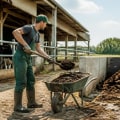
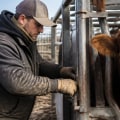
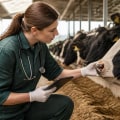
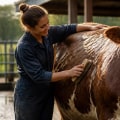
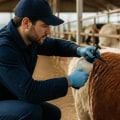
When it comes to farm animal care, understanding the unique needs of large animals such as cows and horses is crucial for their health and well-being. These majestic creatures require not only proper nutrition and shelter but also specialized handling techniques that ensure their safety and comfort. As farmers and caretakers, it is our responsibility to create an environment where these animals can thrive, which begins with a solid foundation of knowledge about their behavior and physical requirements. Handling large farm animals can be a daunting task, especially for those who are new to animal husbandry. It is essential to approach these animals with respect and understanding, recognizing their size and strength.
Proper training in handling techniques can significantly reduce stress for both the animal and the handler. This includes learning how to read animal body language, using appropriate equipment, and employing safe practices during routine activities such as feeding, grooming, and veterinary care. Transporting farm animals adds another layer of complexity to farm animal care. Whether moving them to a new pasture or taking them to a veterinary appointment, ensuring their safety during transport is paramount. This involves selecting the right vehicle, securing the animals properly, and minimizing travel time to reduce stress.
By prioritizing these aspects of care, we can ensure that our large farm animals remain healthy and happy throughout their lives.
Preparing for Transport: Key Considerations
Transporting large farm animals such as cows and horses requires careful preparation to ensure their safety and well-being. Here are some key considerations to keep in mind:- Health Checks: Before transport, conduct a thorough health check on the animals. This includes checking for any signs of illness or injury. It’s advisable to consult with a veterinarian to ensure that the animals are fit for travel.
A health certificate may be required, especially if crossing state lines.
- Documentation: Ensure that all necessary documentation is in order. This may include health certificates, vaccination records, and transport permits. Having these documents readily available can prevent delays and complications during transport.
- Equipment: Use appropriate transport equipment designed for large animals. This includes trailers that are well-ventilated, spacious enough for the animals to stand comfortably, and equipped with non-slip flooring.
Make sure the trailer is in good condition and has been inspected prior to use.
- Safety Measures: Implement safety measures to minimize stress during transport. This can include familiarizing the animals with the trailer before the journey, using calming techniques, and ensuring that they are securely tied or contained during transit.
- Feeding and Watering: Plan for feeding and watering breaks during long journeys. Animals should have access to fresh water and be fed appropriately before transport to reduce stress and maintain energy levels.
Choosing the Right Transport Method
When it comes to transporting large farm animals like cows and horses, choosing the right transport method is crucial for their safety and well-being. Each method has its own set of advantages and disadvantages, making it essential for farmers to evaluate their options carefully.Transport Methods for Farm Animals
- Livestock Trailers: These are specially designed trailers that can accommodate multiple animals.
They provide ample space and ventilation, which is vital for long journeys. However, they require a suitable towing vehicle and may not be accessible for all farmers.
- Horse Vans: Specifically designed for transporting horses, these vans often come with features like padded stalls and non-slip flooring. They ensure a comfortable ride but can be more expensive than standard trailers.
- Flatbed Trucks: While not ideal for long distances, flatbed trucks can be useful for short hauls. They allow easy loading and unloading but lack the protection and comfort that enclosed trailers provide.
- Transport by Train: For long-distance transport, trains can be an efficient option.
They offer a stable environment but may require additional logistics to get animals to and from train stations.
Best Way to Transport Cows
The best way to transport cows typically involves using a livestock trailer. These trailers are designed to minimize stress during transport, featuring low ramps for easy loading and unloading. It's important to ensure that the trailer is well-ventilated and that cows have enough space to stand comfortably without overcrowding.Horse Transport Options
When it comes to transporting horses, options like horse vans or specialized trailers are recommended. These vehicles often include features such as dividers to keep horses secure during transit.Additionally, ensuring that horses are properly secured with halters and lead ropes can prevent injuries during transport.Ultimately, the choice of transport method should consider factors such as distance, the number of animals being transported, and the specific needs of each animal. By selecting the appropriate transport method, farmers can ensure the safe and humane movement of their livestock.
Loading Techniques for Large Animals
Loading large farm animals, such as cows and horses, requires careful planning and execution to ensure the safety of both the animals and the handlers. Here are some effective techniques for loading large farm animals onto transport vehicles:- Preparation of the Loading Area: Ensure that the loading area is clean, free of obstacles, and well-lit. This helps to reduce stress for the animals and minimizes the risk of accidents.
- Use of Proper Equipment: Utilize a sturdy loading ramp that is designed for large animals.
The ramp should have a non-slip surface to prevent slipping during loading.
- Calm Environment: Keep the environment calm by minimizing noise and distractions. This can help to keep the animals relaxed during the loading process.
- Approach Slowly: Allow the animal to approach the loading area at its own pace. Rushing can cause panic and lead to dangerous situations.
- Use Positive Reinforcement: Encourage the animal with treats or gentle coaxing.
This can help them associate loading with positive experiences.
- Positioning of Handlers: Place handlers strategically around the animal to guide it gently without causing stress. Avoid sudden movements that could startle the animal.
- Monitor Body Language: Pay attention to the animal's body language. Signs of stress or discomfort should be addressed immediately to prevent escalation.
For horses, ensure they are familiar with the trailer before attempting to load them, as this familiarity can significantly reduce anxiety.In conclusion, employing these techniques not only enhances safety but also promotes a smoother loading experience for large farm animals. By prioritizing their comfort and well-being, you can ensure a successful transport process.
During Transport: Ensuring Animal Welfare
Transporting large farm animals, such as cows and horses, requires careful planning and execution to ensure their welfare throughout the journey. Proper handling during transport is crucial for minimizing stress and preventing injury.Monitoring Animals While Transporting
- Regularly check on the animals during transit. This includes observing their behavior and physical condition to identify any signs of distress or discomfort.
- Ensure that the transport vehicle is well-ventilated and maintains a comfortable temperature.
Animals can become overheated or too cold, which can lead to health issues.
- Provide adequate space for each animal to stand comfortably without overcrowding. This helps reduce anxiety and allows them to maintain their natural posture.
Caring for Animals in Transit
- Before loading, ensure that all animals are healthy and fit for travel. A veterinary check-up can help identify any potential health issues that could be exacerbated during transport.
- During the journey, offer water at regular intervals, especially on long trips. Hydration is essential for maintaining their health and comfort.
- Consider using calming techniques or products if transporting particularly nervous animals.
This can include familiar bedding or toys that provide comfort.
Unloading and Settling In: Post-Transport Care
After successfully transporting large farm animals such as cows or horses, the unloading process is critical for their well-being. It is essential to approach this phase with care to minimize stress and ensure a smooth transition into their new environment.1.Create a Calm Environment
- Before unloading, ensure that the area is quiet and free from distractions.
This helps to reduce anxiety in the animals.
- Have familiar items, such as bedding or feed, available to provide comfort during the transition.
2.Unloading Procedure
- Open the trailer slowly and allow the animals to acclimate to their new surroundings before encouraging them to exit.
- Use gentle cues and avoid sudden movements or loud noises that could startle them.
- Lead each animal out one at a time, ensuring they have enough space to maneuver safely.
3.Immediate Post-Transport Care
- Once unloaded, allow the animals to explore their new environment at their own pace. This helps them feel secure and reduces stress.
- Provide fresh water and a small amount of feed to help them rehydrate and regain energy after the journey.
- Monitor their behavior closely for signs of distress or discomfort, such as excessive pacing or vocalization.
4.Settling In
- Establish a routine for feeding and care to help the animals adjust more quickly.
- If possible, keep them in a familiar pen or pasture where they can see other animals, which can provide reassurance.
- Gradually introduce them to new companions to foster social bonds without overwhelming them.
Common Challenges and Solutions in Animal Transport
Transporting large farm animals such as cows and horses presents several challenges that can impact their health and well-being. Understanding these challenges is crucial for ensuring safe and humane transport. One of the primary challenges is stress.Animals can experience anxiety during transport due to unfamiliar environments, confinement, and noise. This stress can lead to health issues, including decreased appetite and increased susceptibility to illness. To mitigate this, it is essential to acclimate animals to the transport vehicle before the journey. Allowing them to explore the trailer or truck can help reduce anxiety. Another significant challenge is injury.
Large animals can injure themselves if they are not properly secured or if the transport vehicle is not designed for their size. To prevent injuries, use appropriate restraints such as halters and dividers that allow enough space for movement while keeping them secure. Additionally, ensure that the transport vehicle has non-slip flooring to prevent falls. Weather conditions also pose a challenge during transport. Extreme heat or cold can affect an animal's health.
It is vital to monitor temperatures inside the transport vehicle and provide adequate ventilation. During hot weather, consider transporting animals during cooler parts of the day and providing water breaks. To address these challenges effectively, here are some practical solutions:
- Pre-transport preparation: Familiarize animals with the transport environment ahead of time.
- Secure loading: Use proper loading techniques and equipment to minimize stress and injury.
- Regular breaks: Schedule rest stops during long journeys to allow animals to stretch and hydrate.
- Veterinary check-ups: Ensure animals are healthy before transport by consulting with a veterinarian.
FAQs About Handling and Transporting Large Farm Animals
Transporting large farm animals such as cows and horses can raise several questions among farmers and animal handlers. Here are some frequently asked questions that address common concerns and provide guidance on best practices.What are the best practices for loading large animals?
When loading large farm animals, it is essential to:- Ensure a calm environment: Minimize noise and distractions to help the animal feel secure.
- Use proper equipment: Utilize a loading ramp that is sturdy and has a non-slip surface.
- Lead the animal gently: Use a halter and lead rope, guiding them slowly onto the transport vehicle.
How can I ensure the safety of my animals during transport?
To ensure the safety of your animals during transport, consider the following:- Secure the area: Make sure the transport vehicle is well-ventilated and free from sharp objects.
- Monitor temperature: Keep an eye on the temperature inside the vehicle to prevent overheating or chilling.
- Limit travel time: Plan your route to minimize travel time and reduce stress on the animals.
What should I do if my animal becomes stressed during transport?
If an animal shows signs of stress, such as excessive vocalization or restlessness, you can:- Stop the vehicle: Safely pull over to allow the animal to calm down.
- Provide comfort: Speak softly to the animal and offer treats if appropriate.
- Check for injuries: Ensure that there are no physical issues causing discomfort.
Conclusion: Best Practices for Safe Animal Transport
In conclusion, ensuring the safe transport of large farm animals such as cows and horses is crucial for their well-being and the success of any farming operation.By adhering to best practices, farmers can minimize stress and injury during transit.
Preparation is Key
: Before embarking on a journey, it is essential to prepare both the animals and the transport vehicle. This includes:
- Health Checks: Conduct thorough health assessments to ensure that animals are fit for travel.
- Familiarization: Allow animals to become accustomed to the transport vehicle prior to loading.
- Proper Restraint: Use appropriate halters and restraints to prevent injury during loading and unloading.
Loading and Unloading Techniques
: The process of loading and unloading can be stressful for animals. To mitigate this, consider the following:
- Calm Environment: Maintain a calm atmosphere, using gentle voices and slow movements.
- Gradual Loading: Encourage animals to enter the vehicle gradually, using treats or familiar objects as incentives.
- Safety First: Always ensure that the loading area is safe and free from hazards.
During Transport
: Once on the road, it’s important to monitor the animals closely. Key considerations include:
- Ventilation: Ensure proper ventilation in the transport vehicle to keep animals comfortable.
- Regular Breaks: Schedule regular stops for long journeys to allow animals to rest and hydrate.
- Temperature Control: Be mindful of temperature extremes; provide shade or heating as necessary.
Ultimately, prioritizing animal welfare not only benefits the animals but also enhances productivity and profitability in farming operations.