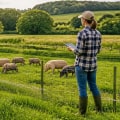
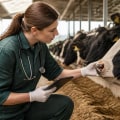
Farm animals play a crucial role in agriculture, providing essential resources such as milk, meat, and labor. However, they are also susceptible to a variety of injuries, particularly hoof and leg injuries, which can significantly impact their health and productivity. Understanding these common injuries is the first step in effective farm animal care. By recognizing the signs and causes of these injuries, farmers can implement preventive measures that not only protect their animals but also enhance their overall well-being. Hoof injuries are particularly prevalent among livestock, often resulting from poor living conditions, inadequate nutrition, or lack of regular hoof care.
These injuries can lead to severe pain and mobility issues, affecting an animal's ability to graze or move freely. Similarly, leg injuries can arise from various factors such as slips, falls, or even improper handling during routine tasks. The consequences of neglecting these injuries can be dire, leading to chronic pain or even the need for euthanasia in severe cases. Preventing these common injuries requires a proactive approach that includes regular health checks, proper housing conditions, and appropriate nutrition. By prioritizing farm animal care, farmers can create a safer environment that minimizes the risk of injury and promotes the long-term health of their animals.
In the following sections, we will explore specific strategies and best practices that can help mitigate these risks and ensure that farm animals remain healthy and productive.
The Importance of Proper Nutrition for Injury Prevention
Proper nutrition is a cornerstone of farm animal care and plays a critical role in preventing injuries, particularly those related to the legs and hooves. A balanced diet not only supports the overall health of farm animals but also strengthens their bones, muscles, and connective tissues, which are essential for mobility and stability.To ensure that farm animals receive the necessary nutrients, it is important to focus on the following key components:- Proteins: Essential for muscle development and repair, proteins help maintain strong limbs and support recovery from minor injuries.
- Vitamins: Vitamins A, D, and E are crucial for bone health and immune function. Vitamin D, in particular, aids in calcium absorption, which is vital for strong bones.
- Minerals: Calcium and phosphorus are necessary for bone strength. Magnesium also plays a role in muscle function and can help prevent cramps that may lead to injuries.
- Fiber: A high-fiber diet promotes healthy digestion, which is essential for nutrient absorption.
Healthy animals are less prone to injuries.
This proactive approach not only enhances the well-being of the animals but also contributes to the overall productivity of the farm.
Creating Safe Living Environments
Creating a safe living environment is crucial for farm animal care and can significantly reduce the risk of injuries such as hoof or leg injuries. Here are some essential considerations for designing and maintaining safe spaces for your animals.Flooring Considerations
The type of flooring in barns and animal enclosures plays a vital role in preventing injuries.Non-slip surfaces
are essential, especially in areas where animals may be moving quickly or where moisture is present. Options like rubber mats or textured concrete can provide better traction compared to smooth surfaces.Additionally, ensure that flooring is free from sharp objects, debris, or uneven surfaces that could cause slips or falls.
Space Requirements
Providing adequate space for each animal is another critical factor in injury prevention. Overcrowding can lead to stress and increased competition for resources, which may result in aggressive behavior and accidents. Ensure that each animal has enough room to move freely without the risk of bumping into others or getting trapped. Consult guidelines specific to each species to determine the appropriate space requirements.Proper Shelter Design
A well-designed shelter not only protects animals from harsh weather but also minimizes injury risks.Ensure that shelters have:
- Sturdy construction: Use durable materials that can withstand the elements and prevent collapse.
- Ventilation: Proper airflow reduces humidity and ammonia buildup, which can lead to respiratory issues and discomfort.
- Safe access: Design entrances and exits that allow animals to enter and exit without difficulty, avoiding potential injuries during movement.
Regular Health Check-ups and Monitoring
Regular health check-ups and consistent monitoring of farm animals are crucial components of effective farm animal care. These practices not only help in identifying potential health issues early but also play a significant role in preventing injuries, particularly those related to the legs and hooves.Importance of Regular Veterinary Check-ups
- Veterinary check-ups should be scheduled at least once a year for most livestock, but more frequent visits may be necessary for animals that are at higher risk of injury or illness.
- During these visits, veterinarians can conduct thorough examinations, assess the overall health of the animals, and provide vaccinations or treatments as needed.
- Regular check-ups allow for the early detection of conditions such as laminitis or foot rot, which can lead to severe hoof injuries if left untreated.
Monitoring Animal Health
- Farmers should develop a routine for monitoring their animals' health daily.
This includes observing their behavior, appetite, and mobility.
- Look for signs of discomfort or pain, such as limping or reluctance to move. Early intervention can prevent minor issues from escalating into serious injuries.
- Keeping detailed records of each animal's health history can help track changes over time and identify patterns that may indicate underlying problems.
Utilizing Technology
- Incorporating technology such as health monitoring systems can enhance the ability to track vital signs and activity levels in real-time.
- Wearable devices can alert farmers to changes in behavior that may signal health issues before they become critical.
Foot Care Practices to Prevent Hoof Injuries
Maintaining healthy hooves is crucial for preventing injuries in farm animals, particularly in cattle and other livestock.Hoof care
should be a regular part of any farmer's routine to ensure the well-being of their animals.Hoof Trimming Techniques
- Regular Trimming: Cattle hooves should be trimmed every 6 to 12 months, depending on their growth rate and the environment they are kept in.
Regular trimming helps prevent overgrowth, which can lead to painful cracks and lameness.
- Proper Tools: Use sharp, specialized hoof trimmers or knives designed for this purpose. Keeping tools clean and well-maintained ensures a smooth cut and reduces the risk of infection.
- Correct Technique: When trimming, aim to maintain the natural shape of the hoof. Avoid cutting too much from the sole or heel, as this can expose sensitive tissues and lead to further complications.
Signs of Hoof Problems
- Lameness: If an animal is limping or favoring one leg, it may indicate a hoof issue that needs immediate attention.
- Swelling: Look for any signs of swelling around the hooves or legs, which can signal infection or injury.
- Unusual Growth: Monitor for irregular hoof growth patterns, such as excessive length or abnormal shapes, which can lead to discomfort and injury.
Preventive Measures
- Clean Environment: Keeping the living area clean and dry helps reduce the risk of hoof infections caused by bacteria and fungi.
- Nutritional Support: Providing a balanced diet rich in minerals like zinc and biotin can promote healthy hoof growth and strength.
- Regular Inspections: Conduct routine checks on your animals' hooves to catch any issues early before they escalate into serious problems.
Training and Handling Techniques to Reduce Stress and Injury Risk
Effective animal handling techniques are crucial for ensuring the safety and well-being of farm animals. By implementing proper training and handling methods, farmers can significantly reduce stress levels in their livestock, which in turn minimizes the risk of injuries such as hoof or leg problems.Understanding Animal Behavior
- Recognizing the natural instincts and behaviors of different species is essential.
For instance, cattle are herd animals and feel safer in groups, while pigs may become stressed if isolated.
- Using low-stress handling techniques, such as moving animals calmly and quietly, can help prevent panic and injury.
- Start training young animals early to acclimate them to human interaction. This can include simple commands and desensitization to handling.
- Utilize positive reinforcement methods, rewarding animals for calm behavior during handling or transport. This encourages them to associate human interaction with positive experiences.
- Ensure that handling facilities are designed with animal safety in mind. This includes non-slip flooring and adequate space to prevent overcrowding.
- Regularly inspect equipment such as gates and chutes to ensure they are functioning properly and do not pose a risk of injury.
- When transporting animals, minimize travel time and ensure that vehicles are well-ventilated and comfortable.
- Familiarize animals with the transport vehicle before the actual journey to reduce anxiety.
Prioritizing farm animal care through effective management practices not only benefits the animals but also enhances overall farm productivity.
Recognizing Signs of Injury Early On
Recognizing the signs of injury in farm animals is crucial for effective farm animal care. Early detection can significantly reduce the risk of further harm and ensure a swift recovery. Farmers should be vigilant and observant, as animals often exhibit subtle changes in behavior or physical condition when injured.Here are some common signs to look for:- Limping or Favoring a Limb: If an animal is limping or avoiding putting weight on a leg, it may indicate an injury.
- Swelling or Heat: Check for any swelling around joints or limbs, as well as areas that feel warmer than others.
- Changes in Appetite: A sudden decrease in appetite can be a sign of pain or discomfort.
- Vocalizations: Unusual vocalizations, such as excessive bleating or moaning, may indicate distress due to injury.
- Isolation: Animals that are injured may isolate themselves from the herd, indicating they are not feeling well.
For instance, if a normally active animal becomes lethargic or shows reluctance to move, it could be a warning sign of an underlying issue.Farmers should also establish a routine for checking their animals. This includes:
- Conducting daily health checks to observe any changes in behavior or physical condition.
- Keeping records of any injuries or health issues to identify patterns over time.
- Consulting with a veterinarian if any signs of injury are detected, ensuring prompt treatment.
FAQs About Farm Animal Care and Injury Prevention
Farm animal care is crucial for maintaining the health and well-being of livestock. Here are some frequently asked questions regarding injury prevention:- What are common injuries in farm animals? Common injuries include hoof and leg injuries, which can result from rough terrain, improper hoof care, or accidents during handling. Other injuries may involve cuts, bruises, or fractures.
- How can I prevent hoof injuries in my animals? Regular hoof trimming and maintenance are essential.
Ensure that animals are kept in clean, dry environments to reduce the risk of infections. Additionally, monitor their walking surfaces to avoid sharp objects or uneven ground.
- What should I do if I notice an injury? If you observe an injury, assess its severity. For minor injuries, clean the area and apply antiseptic. For more serious injuries, consult a veterinarian immediately to prevent complications.
- Are there specific practices to minimize leg injuries? Yes, providing adequate space for movement and ensuring proper nutrition can strengthen bones and muscles.
Avoid overcrowding in pens and provide soft bedding to reduce stress on legs.
- How often should I conduct health checks on my animals? Regular health checks should be conducted at least once a month. Look for signs of lameness or discomfort, and keep records of any injuries or health issues.
Conclusion: Key Takeaways for Effective Farm Animal Care
In conclusion, effective farm animal care is essential for preventing common injuries such as hoof and leg injuries. By implementing proactive measures, farmers can significantly enhance the well-being of their animals and reduce the risk of injury. Here are the key takeaways to consider:- Regular Health Checks: Conducting routine health assessments allows for early detection of potential issues, ensuring timely intervention.
- Proper Nutrition: Providing a balanced diet rich in essential nutrients supports strong bones and hooves, reducing the likelihood of injuries.
- Safe Living Conditions: Maintaining clean, dry, and spacious environments minimizes stress and prevents accidents that could lead to injuries.
- Foot Care: Regular hoof trimming and inspection are crucial for preventing hoof-related problems. Farmers should schedule these practices as part of their routine care.
- Training and Handling: Proper handling techniques and training can reduce stress during movement and transportation, which is vital for preventing leg injuries.
Remember, investing time and resources into preventative care not only enhances animal welfare but also contributes to the overall productivity and profitability of the farm.