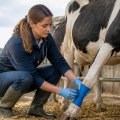
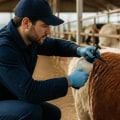
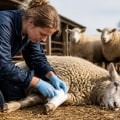
Effective farm animal care is crucial not only for the well-being of livestock but also for the overall health of the farm ecosystem. When farmers prioritize the health of their animals, they create a robust foundation that minimizes the risk of disease transmission between different species. This is particularly important in mixed-species farming operations, where the close proximity of various animals can facilitate the spread of pathogens. Understanding the significance of animal health is essential for implementing effective disease prevention strategies. Farmers must recognize that each species has unique health needs and vulnerabilities.
By adopting a comprehensive approach to disease prevention in livestock, which includes regular health assessments, vaccinations, and biosecurity measures, farmers can significantly reduce the likelihood of outbreaks. Furthermore, maintaining a clean and well-managed environment plays a vital role in safeguarding animal health. This not only protects individual animals but also contributes to the sustainability and productivity of the entire farm. In this article, we will explore various strategies that farmers can employ to enhance farm animal care and prevent disease spread. From understanding the importance of nutrition and housing to implementing effective vaccination programs, each aspect plays a pivotal role in ensuring that livestock remain healthy and resilient against diseases.
By investing time and resources into proper animal care practices, farmers can foster a thriving agricultural environment that benefits both their animals and their livelihoods.
Common Diseases Affecting Farm Animals
Farm animals are susceptible to a variety of diseases that can significantly impact their health and productivity. Understanding these common farm animal diseases is essential for farmers aiming to maintain optimal livestock health.Some of the most prevalent diseases affecting farm animals include:- Foot and Mouth Disease (FMD): This highly contagious viral disease affects cloven-hoofed animals, including cattle, sheep, and pigs. Symptoms include fever, blisters in the mouth and on the feet, leading to severe pain and reduced productivity.
- Avian Influenza: Commonly known as bird flu, this viral infection affects domestic poultry and can lead to high mortality rates. Symptoms may include respiratory distress, decreased egg production, and sudden death.
- Porcine Reproductive and Respiratory Syndrome (PRRS): This disease affects pigs and is characterized by reproductive failure in breeding stock and respiratory issues in young pigs.
It can lead to significant economic losses for swine producers.
- Bovine Respiratory Disease (BRD): Often referred to as shipping fever, BRD is a complex of diseases that affect cattle, particularly during stressful situations like transport. Symptoms include coughing, nasal discharge, and lethargy.
- Johne's Disease: A chronic intestinal disease in ruminants caused by the bacterium Mycobacterium avium subspecies paratuberculosis. It leads to weight loss, diarrhea, and decreased milk production.
- Nutritional deficiencies
- Poor sanitation
- Lack of vaccination
- Stress from overcrowding or inadequate housing
This proactive approach not only safeguards the health of individual animals but also helps prevent the spread of diseases across different species.
Best Practices for Biosecurity on Farms
Implementing effective biosecurity measures is crucial for farmers aiming to protect their livestock from disease transmission. By adopting comprehensive farm biosecurity practices, farmers can significantly reduce the risk of infections spreading between different species of farm animals.One of the first steps in establishing a robust biosecurity plan is to control animal movement. Limiting access to the farm and restricting the introduction of new animals can help prevent the introduction of pathogens. When new animals are brought onto the farm, they should undergo a quarantine period to monitor for any signs of illness.Another essential practice is maintaining cleanliness and sanitation.Regularly cleaning and disinfecting animal housing, equipment, and vehicles can eliminate potential disease carriers. Farmers should use appropriate disinfectants and follow recommended protocols to ensure thorough sanitation.
- Personal Hygiene: Farmers and workers should practice good personal hygiene by washing hands before and after handling animals, wearing clean clothing, and using protective gear when necessary.
- Feed and Water Management: Ensure that feed and water sources are clean and free from contamination. Regularly check for mold or spoilage in feed, as these can harbor pathogens.
- Wildlife Control: Implement measures to minimize contact with wild animals, which can be carriers of diseases. This may include fencing, traps, or other deterrents.
Farmers should stay informed about common diseases affecting their livestock and participate in training programs that focus on preventing disease spread. Collaborating with veterinarians can provide valuable insights into specific risks associated with different species on the farm.In conclusion, by prioritizing biosecurity through effective management practices, farmers can safeguard their animals' health and enhance overall productivity on their farms. These proactive measures not only protect individual species but also contribute to the well-being of the entire farming ecosystem.
Proper Animal Husbandry Techniques
Implementing proper animal husbandry techniques is crucial for maintaining the health of farm animals and preventing the spread of diseases between different species. By focusing on effective livestock management practices, farmers can create a healthier environment that minimizes stress and promotes overall well-being.One of the foundational aspects of animal husbandry is ensuring that animals are housed in clean, spacious, and well-ventilated environments.Overcrowding can lead to increased stress and the rapid spread of diseases. Therefore, it is essential to:
- Provide adequate space: Each animal should have enough room to move freely, which helps reduce aggression and stress-related behaviors.
- Maintain cleanliness: Regular cleaning of living areas prevents the buildup of waste and pathogens that can lead to disease outbreaks.
- Ensure proper ventilation: Good airflow reduces humidity and ammonia levels, which can contribute to respiratory issues in animals.
- Consult with veterinarians or animal nutritionists: This ensures that dietary plans meet the nutritional requirements for growth, reproduction, and overall health.
- Monitor feed quality: Using high-quality feed reduces the risk of introducing contaminants that could lead to illness.
Farmers should establish a routine for:
- Conducting health checks: Regularly inspecting animals for signs of illness allows for early intervention.
- Vaccination programs: Keeping up with vaccinations helps protect against common diseases that can spread between species.
- Limiting access: Restricting visitors and vehicles from entering animal areas helps prevent the introduction of pathogens.
- Quarantine protocols: New or sick animals should be isolated until they are confirmed healthy to prevent disease transmission.
Vaccination and Health Monitoring Strategies
Effective farm animal care hinges on the implementation of robust vaccination programs and consistent health monitoring strategies. These practices are essential in safeguarding livestock from infectious diseases that can spread between different species.Animal Vaccination Programs
- Vaccination schedules should be tailored to the specific needs of each species on the farm. For instance, cattle may require different vaccines compared to poultry or swine.
- Farmers should consult with a veterinarian to develop a comprehensive vaccination plan that includes core vaccines, which are essential for all animals, as well as optional vaccines based on regional disease prevalence.
- Keeping accurate records of vaccinations is crucial.
This not only helps in tracking the health status of each animal but also aids in compliance with regulatory requirements.
Health Monitoring in Livestock
- Regular health checks are vital for early detection of diseases. Farmers should conduct daily observations to identify any signs of illness, such as changes in behavior, appetite, or physical appearance.
- Implementing a systematic health monitoring program can help in identifying trends and potential outbreaks before they escalate. This includes routine blood tests and fecal examinations.
- Utilizing technology, such as health monitoring apps or wearable devices, can enhance the efficiency of tracking animal health and vaccination status.
Disease Prevention Through Vaccination
- Vaccination not only protects individual animals, but it also plays a critical role in herd immunity. When a significant portion of the population is vaccinated, it reduces the overall prevalence of disease within the group.
- Farmers should educate themselves about emerging diseases and adjust their vaccination strategies accordingly.
Staying informed about new vaccines and disease outbreaks can significantly enhance disease prevention efforts.
- Collaboration with local agricultural extension services can provide farmers with valuable resources and support for effective vaccination and health monitoring practices.
The Role of Nutrition in Disease Prevention
Proper nutrition is a cornerstone of effective farm animal care and plays a crucial role in preventing the spread of diseases among different species of livestock. A well-balanced diet not only supports the overall health of animals but also enhances their immune systems, making them more resilient to infections and diseases.Farmers should focus on providing a diet that meets the specific nutritional needs of each species. This includes:- Macronutrients: Ensuring adequate levels of proteins, carbohydrates, and fats to support growth and energy.
- Micronutrients: Incorporating vitamins and minerals that are essential for metabolic functions and immune response.
- Water: Providing clean and fresh water at all times, as hydration is vital for digestion and nutrient absorption.
For instance, animals that receive sufficient vitamin E and selenium are less prone to oxidative stress, which can weaken their immune systems. Additionally, probiotics can be included in the diet to promote gut health, further enhancing the animal's ability to fend off pathogens.Moreover, farmers should consider the following strategies to optimize animal nutrition:
- Regular Nutritional Assessments: Conducting periodic evaluations of feed quality and animal health to adjust diets as needed.
- Diverse Diets: Offering a variety of feed ingredients to ensure a comprehensive nutrient profile.
- Age-Appropriate Diets: Tailoring nutrition based on the age and life stage of the animals to meet their changing needs.
Managing Stress and Environmental Factors
Managing stress and environmental factors is crucial for maintaining the health of farm animals and preventing the spread of diseases.Stress management in farm animals
can significantly enhance their immune response, making them less susceptible to infections.Stressors can include overcrowding, inadequate shelter, and abrupt changes in routine or diet.To effectively reduce stress in animals, farmers should consider the following strategies:
- Provide Adequate Space: Ensure that animals have enough room to move freely. Overcrowding can lead to increased aggression and competition for resources, which heightens stress levels.
- Create Comfortable Living Conditions: Proper ventilation, temperature control, and clean bedding are essential. Animals thrive in environments that mimic their natural habitats.
- Implement Routine Management Practices: Consistent feeding schedules and handling practices help animals feel secure. Sudden changes can induce stress, so gradual transitions are recommended.
- Social Structure Awareness: Understanding the social dynamics within groups can help prevent conflicts.
Introducing new animals slowly and monitoring interactions can minimize stress.
Educating Farm Workers on Animal Care Practices
Effective farm animal care begins with well-trained farm workers who understand the intricacies of livestock management.Educating these individuals is crucial for implementing consistent disease prevention strategies across different species of farm animals.
Training Programs
- Develop comprehensive training programs that cover the basics of animal husbandry, including nutrition, housing, and health monitoring.
- Incorporate hands-on training sessions that allow workers to practice skills such as administering vaccinations and recognizing signs of illness.
- Utilize experienced veterinarians or animal care specialists to lead workshops and provide insights into best practices.
Ongoing Education
- Encourage continuous learning by providing access to online courses, webinars, and industry publications focused on animal care.
- Organize regular meetings to discuss new research findings and updates in disease prevention methods.
- Create a mentorship program where seasoned workers can guide newer employees in effective livestock management techniques.
Best Practices for Disease Prevention
- Emphasize the importance of biosecurity measures, such as proper sanitation protocols and isolation of sick animals.
- Train workers to maintain accurate records of animal health and vaccination schedules to monitor potential outbreaks.
- Promote teamwork among farm workers to ensure that everyone is aware of their roles in maintaining a healthy environment for all animals.
Frequently Asked Questions About Disease Prevention in Farm Animals
Farmers often have questions about how to effectively prevent the spread of diseases among different species of farm animals. Here are some frequently asked questions that can help clarify important aspects of farm animal care and disease prevention.- What are the most common diseases that affect farm animals?
Common diseases include foot-and-mouth disease, avian influenza, and porcine reproductive and respiratory syndrome (PRRS). Understanding these diseases is crucial for implementing effective prevention strategies. - How can I identify signs of illness in my livestock?
Look for symptoms such as lethargy, loss of appetite, coughing, or unusual behavior.Early detection is key to preventing the spread of disease.
- What role does vaccination play in disease prevention?
Vaccination is a vital part of farm animal care. It helps build immunity against specific diseases, reducing the risk of outbreaks within your herd or flock. - How can I maintain biosecurity on my farm?
Implement strict biosecurity measures such as limiting access to your farm, using disinfectants on equipment, and keeping different species separated to minimize cross-contamination. - Is it necessary to quarantine new animals before introducing them to my farm?
Yes, quarantining new animals for at least 30 days allows you to monitor their health and prevent potential disease transmission to your existing livestock. - What are some best practices for managing feed and water sources?
Ensure that feed and water are clean and free from contamination. Regularly inspect storage areas and avoid sharing feeding equipment between different species.
Conclusion: Key Takeaways for Effective Farm Animal Care
In conclusion, effective farm animal care is crucial in preventing the spread of diseases between different species of farm animals. By implementing a comprehensive approach that includes biosecurity measures, proper nutrition, and regular health monitoring, farmers can significantly reduce the risk of disease transmission.Key takeaways include:- Biosecurity Practices: Establishing strict biosecurity protocols is essential.
This includes controlling access to animal areas, using protective clothing, and sanitizing equipment regularly.
- Species Separation: Keeping different species of animals separate can minimize the risk of cross-species disease transmission. Designated areas for each species should be maintained.
- Health Monitoring: Regular health checks and vaccinations are vital. Farmers should work closely with veterinarians to ensure that all animals are up-to-date on their vaccinations and receive prompt treatment when needed.
- Nutrition and Welfare: Providing balanced nutrition and ensuring the overall welfare of farm animals can enhance their immune systems, making them less susceptible to diseases.
- Education and Training: Continuous education for farm staff about disease prevention strategies is important. Training sessions can help staff recognize early signs of illness and understand the importance of hygiene practices.
Prioritizing farm animal care not only benefits the animals but also supports sustainable farming practices that contribute to the overall health of the agricultural ecosystem.