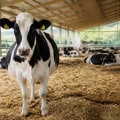
In the realm of farm animal care, understanding the significance of vaccinations is crucial for ensuring the health and productivity of livestock. Vaccinations serve as a frontline defense against various infectious diseases that can devastate animal populations, leading to significant economic losses for farmers. By proactively immunizing animals, farmers not only protect their investments but also contribute to the overall well-being of their herds. The benefits of vaccinations extend beyond individual animal health; they play a vital role in maintaining herd immunity. When a significant portion of a population is vaccinated, it creates a protective barrier that reduces the spread of diseases.
This is particularly important in farm settings where animals are often in close proximity to one another. A healthy herd translates to better productivity, higher quality products, and ultimately, a more sustainable farming operation. Moreover, vaccinations can help mitigate the risk of zoonotic diseases—those that can be transmitted from animals to humans. By keeping farm animals healthy through proper vaccination protocols, farmers not only safeguard their livestock but also protect public health. As we delve deeper into specific vaccines and their applications, it becomes clear that investing in vaccination programs is an essential component of effective farm animal care.
Common Vaccinations for Cattle
Vaccinations play a crucial role in maintaining the health and productivity of cattle.By protecting against various diseases, these vaccines help ensure the overall well-being of the herd. Here are some of the most common vaccinations recommended for cattle:
- Bovine Respiratory Disease (BRD) Vaccines: This group includes vaccines for infectious bovine rhinotracheitis (IBR), bovine viral diarrhea (BVD), and parainfluenza-3 (PI3). These diseases can lead to severe respiratory issues, making vaccination essential, especially in young calves.
- Clostridial Vaccines: Clostridial diseases, such as blackleg and tetanus, are caused by bacteria that thrive in anaerobic conditions. Vaccination against these diseases is typically administered to calves at weaning and then annually to adults.
- Leptospirosis Vaccines: Leptospirosis can cause reproductive issues and kidney damage in cattle.
Vaccination is recommended for breeding animals and should be given annually.
- Brucellosis Vaccine: This vaccine is crucial for heifers to prevent brucellosis, a disease that can lead to abortion and infertility. It is typically administered between 4 to 12 months of age.
Vaccination Protocols for Sheep and Goats
Vaccination is a critical component of farm animal care, particularly for small ruminants like sheep and goats.These animals are susceptible to various diseases that can significantly impact their health and productivity. Implementing a proper vaccination protocol helps ensure their well-being and the overall health of the herd.
Essential Vaccines for Sheep
- Clostridial Vaccines: Vaccines such as CD&T (Clostridium perfringens types C and D and tetanus) are essential for preventing enterotoxemia and tetanus, which can be fatal.
- Sore Mouth Vaccine: This vaccine protects against orf, a contagious viral disease that causes sores around the mouth and can affect feeding.
- Foot Rot Vaccine: While not universally used, this vaccine can help reduce the incidence of foot rot, a painful condition affecting the hooves.
Essential Vaccines for Goats
- CD&T Vaccine: Similar to sheep, goats also require the CD&T vaccine to protect against clostridial diseases.
- Caseous Lymphadenitis (CL) Vaccine: This vaccine helps prevent CL, a chronic disease that causes abscesses in lymph nodes.
- Barber Pole Worm Vaccine: While not a traditional vaccine, managing internal parasites through vaccination strategies is crucial for goat health.
By prioritizing vaccination protocols for sheep and goats, farmers can significantly reduce the risk of disease outbreaks and promote healthier livestock.
Essential Vaccines for Swine
Vaccination is a critical component of farm animal care, particularly for swine, as it helps prevent the spread of diseases that can significantly impact pig health and productivity. Here are some essential vaccines that every swine producer should consider:- Porcine Reproductive and Respiratory Syndrome (PRRS) Vaccine: This vaccine is vital for preventing PRRS, a disease that affects the reproductive and respiratory systems of pigs. Vaccination can help reduce the severity of outbreaks and improve overall herd health.
- Swine Influenza Vaccine: Swine influenza can lead to severe respiratory issues in pigs. Regular vaccination helps protect against various strains of the virus, ensuring better health and productivity in the herd.
- Porcine Parvovirus (PPV) Vaccine: PPV is known to cause reproductive failure in sows.
Vaccinating breeding stock before breeding can help prevent this disease, leading to healthier litters.
- Erysipelas Vaccine: Erysipelas is a bacterial infection that can cause skin lesions, arthritis, and sudden death in pigs. Vaccination is an effective way to control this disease, especially in growing pigs.
- Leptospirosis Vaccine: This vaccine protects against leptospirosis, which can lead to reproductive issues and kidney damage. It is particularly important for breeding sows and boars.
Vaccination Needs for Poultry
Vaccination is a critical component of farm animal care, particularly in poultry farming, where the health of the flock can significantly impact productivity and profitability.Common vaccinations for poultry help prevent outbreaks of diseases that can spread rapidly among birds.
Key Vaccines for Chickens
- Marek's Disease Vaccine: This vaccine protects against Marek's disease, a viral infection that can cause tumors and paralysis in chickens. It is typically administered to day-old chicks.
- Newcastle Disease Vaccine: Newcastle disease is a highly contagious viral infection affecting birds. Vaccination is essential to prevent severe respiratory issues and high mortality rates.
- Infectious Bursal Disease (IBD) Vaccine: Also known as Gumboro disease, IBD affects the immune system of young chickens. Vaccination helps maintain flock health and productivity.
- Avian Influenza Vaccine: This vaccine is crucial in areas where avian influenza is a concern.
It helps protect against various strains of the virus that can lead to significant losses.
Best Practices for Administering Vaccines to Farm Animals
Administering vaccines to farm animals is a critical aspect of farm animal care that ensures their health and productivity. Proper techniques and best practices can significantly enhance the effectiveness of vaccinations.Storage and Handling of Vaccines
Vaccines must be stored correctly to maintain their efficacy.Here are some key points to consider:
- Temperature Control: Most vaccines require refrigeration between 35°F and 45°F (2°C to 7°C). Always check the manufacturer's guidelines for specific temperature requirements.
- Avoid Freezing: Freezing can damage vaccines, rendering them ineffective. Ensure that your storage unit is set to the appropriate temperature and regularly monitor it.
- Expiration Dates: Regularly check expiration dates on vaccine vials. Expired vaccines should be disposed of properly to avoid accidental use.
Administration Techniques
When administering vaccines, follow these best practices:- Use Clean Equipment: Always use sterile needles and syringes to prevent infections.
Dispose of used equipment in a safe manner.
- Follow Dosage Guidelines: Adhere strictly to the recommended dosage as indicated on the vaccine label. Over or under-dosing can lead to ineffective vaccination or adverse reactions.
- Select the Right Injection Site: Different vaccines may require different administration routes (subcutaneous, intramuscular, etc.). Familiarize yourself with the correct sites for each type of vaccine.
Record-Keeping
Maintaining accurate records is essential for effective farm animal care. Consider the following:- Date of Vaccination: Keep track of when each animal was vaccinated to ensure timely boosters.
- Type of Vaccine Administered: Document which vaccines were given to each animal, including batch numbers for traceability.
- Animal Health Status: Note any reactions or health issues following vaccination, as this information can be valuable for future reference.
Frequently Asked Questions About Farm Animal Vaccinations
Vaccinations are a crucial aspect of farm animal care, yet many farmers and animal owners have questions about their necessity and effectiveness.Here are some frequently asked questions regarding farm animal vaccinations:
- What are the most common vaccines for farm animals?
Common vaccines include those for brucellosis, clostridial diseases, foot-and-mouth disease, and respiratory diseases. The specific vaccines required can vary based on the type of animal and regional disease prevalence. - How often should farm animals be vaccinated?
The vaccination schedule can differ by species and vaccine type. Generally, young animals receive initial vaccinations followed by boosters. Consult with a veterinarian for a tailored vaccination plan. - Are there any side effects from vaccinations?
While most animals tolerate vaccines well, some may experience mild side effects such as swelling at the injection site or a slight fever.Serious reactions are rare but should be reported to a veterinarian.
- Can vaccines cause illness in my animals?
Vaccines are designed to stimulate the immune system without causing disease. However, in rare cases, modified live vaccines may lead to mild symptoms. Always discuss concerns with your vet. - What are some common myths about animal vaccinations?
One prevalent myth is that vaccines are unnecessary if animals appear healthy. In reality, vaccinations help prevent diseases that may not show immediate symptoms but can be fatal or spread rapidly within a herd.
Always consult with a qualified veterinarian to address specific concerns and develop an effective vaccination strategy tailored to your farm's needs.
Conclusion: The Role of Vaccinations in Sustainable Farm Animal Care
In conclusion, the role of vaccinations in sustainable farm animal care cannot be overstated. By ensuring that farm animals are properly vaccinated, farmers can significantly reduce the incidence of diseases that not only affect the health of the animals but also impact overall farm productivity and profitability.Vaccinations serve as a critical line of defense against various infectious diseases, which can spread rapidly in farm settings. For instance, diseases such as brucellosis, foot-and-mouth disease, and avian influenza can devastate livestock populations if not managed effectively. By implementing a comprehensive vaccination program, farmers can protect their herds and flocks, leading to healthier animals and more sustainable farming practices.Moreover, vaccinated animals contribute to a more stable food supply chain.Healthy livestock are less likely to require antibiotics or other treatments, which aligns with the growing consumer demand for antibiotic-free meat and dairy products. This shift not only benefits animal welfare but also enhances the marketability of farm products.Additionally, vaccinations play a vital role in promoting animal welfare. Healthy animals experience less stress and discomfort, which is essential for ethical farming practices. By prioritizing vaccinations, farmers demonstrate their commitment to responsible animal husbandry.In summary, integrating vaccinations into farm animal care strategies is essential for achieving sustainability in agriculture.
It fosters healthier animals, supports economic viability, and meets consumer expectations for ethical farming. As we move forward, it is crucial for farmers to stay informed about vaccination schedules and emerging diseases to ensure the long-term success of their operations.