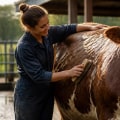
In the world of agriculture, farm animal care is not just a responsibility; it is a vital component that directly influences the health and productivity of livestock. Understanding the significance of proper animal care is essential for farmers who aim to maintain a thriving operation. When animals are well cared for, they exhibit better health, which in turn leads to increased productivity and profitability. This creates a positive feedback loop where healthy animals contribute to the overall success of the farm. Moreover, prioritizing animal welfare is not only an ethical obligation but also a legal requirement in many regions.
Farmers who invest time and resources into ensuring their animals are treated with respect and provided with adequate living conditions are more likely to avoid costly legal issues and public backlash. The perception of animal welfare has evolved, and consumers are increasingly demanding transparency regarding how their food is produced. Thus, implementing effective farm animal care practices can enhance a farm's reputation and marketability. Additionally, farm safety is intricately linked to animal care. Proper handling techniques, safe housing environments, and regular health checks can significantly reduce the risk of injuries to both animals and farm workers.
By fostering a culture of safety and care, farmers not only protect their livestock but also create a safer working environment for themselves and their employees. In this way, understanding the importance of farm animal care transcends mere compliance; it becomes a cornerstone of sustainable farming practices that benefit all stakeholders involved.
Identifying Common Risks and Hazards for Farm Animals
Farm animals are exposed to a variety of risks and hazards that can lead to injuries, making it essential for farmers to identify these dangers to implement effective prevention strategies. Understanding these risks is the first step in ensuring the safety and well-being of livestock.- Environmental Hazards: The farm environment can pose numerous threats. Uneven terrain, slippery surfaces, and sharp objects can lead to falls or cuts.
Regularly inspecting and maintaining the farm layout can help mitigate these risks.
- Equipment and Machinery: Heavy machinery is a common source of injury on farms. Animals can be injured by moving parts or by being in the vicinity of operating equipment. Proper training for operators and ensuring animals are kept at a safe distance during machinery operation is crucial.
- Animal Behavior: Understanding animal behavior is vital in preventing injuries. Animals may become aggressive or frightened, leading to potential harm.
Farmers should be trained in handling techniques that minimize stress and aggression among animals.
- Health Issues: Illnesses and injuries can arise from poor health management practices. Regular veterinary check-ups, vaccinations, and proper nutrition are essential to keep animals healthy and reduce the risk of injury.
- Weather Conditions: Extreme weather can also pose risks. Heat stress in summer or hypothermia in winter can lead to serious health issues. Providing adequate shelter and monitoring weather conditions can help protect animals from these hazards.
Implementing safety protocols, conducting regular training sessions for staff, and maintaining a clean and organized environment are all effective strategies that contribute to better farm animal care.
Implementing Safe Housing and Environment Practices
Creating a safe environment for farm animals is crucial in preventing injuries and ensuring their overall well-being.Safe housing
not only protects livestock from harsh weather conditions but also minimizes the risk of accidents and injuries.Designing Safe Housing
- Space Requirements: Ensure that each animal has enough space to move freely. Overcrowding can lead to stress and injuries.
- Non-Slip Flooring: Use materials that provide good traction to prevent slips and falls, especially in areas where animals may be wet or muddy.
- Proper Ventilation: Good airflow is essential to reduce humidity and ammonia buildup, which can lead to respiratory issues.
- Secure Fencing: Install sturdy fencing to keep animals contained and protect them from predators.
Environmental Safety Practices
- Regular Maintenance: Conduct routine inspections of barns and enclosures to identify and repair any hazards, such as sharp edges or loose boards.
- Waste Management: Implement effective waste disposal systems to prevent the buildup of harmful bacteria and parasites that can cause health issues.
- Safe Feed Storage: Store feed in secure containers to prevent contamination and protect it from pests.
Barn Safety Tips
- Emergency Exits: Ensure that barns have multiple exits for quick evacuation in case of emergencies.
- Lighting: Install adequate lighting to help prevent accidents during early morning or late evening hours.
- Animal Handling Areas: Designate specific areas for handling animals to minimize stress and reduce the risk of injury during interactions.
Proper Nutrition and Health Management
Proper nutrition and health management are critical components of farm animal care that significantly contribute to preventing injuries in livestock. A well-balanced diet tailored to the specific needs of each species ensures that animals receive the essential nutrients required for optimal health and performance.Animal nutrition for health
involves providing a diet rich in vitamins, minerals, proteins, and carbohydrates.For instance, ruminants like cattle require a diet high in fiber to support their digestive systems, while poultry benefit from a protein-rich feed to promote growth and egg production. Regularly assessing the nutritional needs of animals based on their age, weight, and production stage is vital.
- Vitamins and Minerals: Essential for immune function and overall health.
- Protein: Crucial for muscle development and repair.
- Fiber: Important for digestive health, especially in ruminants.
Monitoring animals for signs of illness or distress can lead to early intervention, reducing the risk of injuries caused by underlying health issues.
Feeding practices for farm animals
also influence their well-being. Providing clean, fresh water at all times is essential, as dehydration can lead to various health complications. Furthermore, ensuring that feeding areas are clean and free from hazards can prevent injuries related to slips or falls during feeding times.In conclusion, prioritizing proper nutrition and comprehensive health management not only enhances the overall well-being of farm animals but also significantly reduces the risk of injuries. By investing time and resources into these practices, farmers can ensure healthier livestock and a more productive farming operation.Training and Handling Techniques for Farmers
Effective animal handling techniques are crucial for ensuring the safety and well-being of farm animals.Farmers should prioritize training that emphasizes calm and confident interactions with livestock. This not only reduces stress for the animals but also minimizes the risk of injuries during handling.
Training livestock safely
begins with understanding animal behavior. Farmers should observe their animals to recognize signs of stress or discomfort, such as tail swishing, vocalizations, or changes in posture. By learning these cues, farmers can adjust their handling methods accordingly.- Use Positive Reinforcement: Rewarding animals with treats or praise for calm behavior can encourage them to remain relaxed during handling.
- Establish a Routine: Animals thrive on consistency.
Regular handling routines help them become accustomed to human interaction, reducing anxiety.
- Practice Low-Stress Handling Techniques: Approaching animals slowly and speaking softly can prevent startling them. Using low-stress methods, such as gentle guiding with a shoulder or body pressure, can help in moving animals without causing panic.
Regular Veterinary Care and Monitoring
Regular veterinary care is essential for ensuring the health and well-being of farm animals.By establishing a routine that includes preventive veterinary practices, farmers can significantly reduce the risk of injuries and illnesses among their livestock.
Importance of Regular Check-Ups
- Routine check-ups allow veterinarians to assess the overall health of animals, identifying potential issues before they escalate.
- These visits often include physical examinations, vaccinations, and dental care, all of which contribute to preventing injuries related to health problems.
Vaccinations and Disease Prevention
- Vaccinations are a critical component of veterinary care for farm animals. They protect against common diseases that can lead to severe health complications or even death.
- By keeping vaccination schedules up to date, farmers can prevent outbreaks that may result in injuries due to stress or illness.
Monitoring Animal Health
- Farmers should implement regular monitoring practices to observe any changes in behavior or physical condition that may indicate health issues.
- Keeping detailed records of each animal's health history can help veterinarians make informed decisions about treatment and preventive measures.
Emergency Preparedness and Response Plans
Having a well-structured emergency preparedness plan is crucial for farmers to ensure the safety and well-being of their animals. This plan should outline specific procedures to follow in the event of an injury or accident, allowing for a swift and effective response.Injury response strategies
should include immediate actions to take when an animal is injured.Farmers should be trained in basic first aid for farm animals, which can significantly reduce the severity of injuries. This training should cover:
- Identifying common injuries and their symptoms
- Administering first aid, such as cleaning wounds and applying bandages
- Recognizing when to call a veterinarian
- Emergency contact list: Keep a list of local veterinarians, animal hospitals, and emergency services readily available.
- Evacuation procedures: Develop clear protocols for evacuating animals in case of natural disasters or other emergencies.
- Regular drills: Conduct regular training sessions and drills with farm staff to ensure everyone knows their roles during an emergency.
FAQs About Farm Animal Care and Injury Prevention
Farm animal care is crucial for ensuring the health and safety of livestock. Here are some frequently asked questions regarding injury prevention and overall animal welfare:What are common injuries in farm animals?
Farm animals can suffer from a variety of injuries, including:- Foot and leg injuries: These can occur due to rough terrain or improper hoof care.
- Wounds and lacerations: Often caused by sharp objects or aggressive interactions with other animals.
- Heat stress: Particularly in warmer months, animals can suffer from heat-related illnesses if not provided with adequate shade and water.
How can I prevent injuries in my livestock?
Preventing injuries involves a combination of proper management practices and environmental considerations:- Regular health checks: Conduct routine examinations to identify any potential health issues early.
- Safe housing: Ensure that barns and enclosures are free from hazards such as sharp objects or unstable structures.
- Proper nutrition: A balanced diet supports overall health, reducing the risk of injuries related to weakness or illness.
What should I do if an animal is injured?
If you notice an injury, it’s important to act quickly:- Assess the severity of the injury.
For minor wounds, clean the area and apply antiseptic.
- If the injury is serious, contact a veterinarian immediately for professional care.
Conclusion: Key Takeaways for Effective Farm Animal Care
In conclusion, ensuring the well-being of farm animals is a multifaceted responsibility that requires diligence and proactive measures. By implementing effective farm animal care practices, farmers can significantly reduce the risk of injuries and promote a healthier environment for their livestock. Here are some key takeaways to consider:- Regular Health Check-ups: Schedule routine veterinary visits to monitor the health of your animals. Early detection of potential issues can prevent serious injuries.
- Safe Housing Conditions: Ensure that living spaces are free from hazards. Proper ventilation, clean bedding, and adequate space can minimize stress and injury risks.
- Proper Nutrition: A balanced diet tailored to the specific needs of each species is crucial.
Malnutrition can lead to weakened immune systems and increased susceptibility to injuries.
- Training and Handling: Educate staff on safe handling techniques. Gentle and knowledgeable handling reduces stress for animals and lowers the chance of accidents.
- Environmental Enrichment: Providing stimulation through toys or social interactions can keep animals engaged and reduce aggressive behaviors that may lead to injuries.