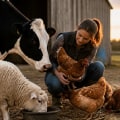
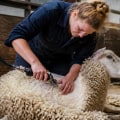
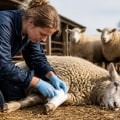
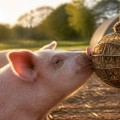
When it comes to farm animal care, one of the most critical yet often overlooked aspects is the provision of adequate space for animals to move and exercise. Understanding the importance of space is essential not only for the physical health of the animals but also for their mental well-being. Animals that are confined to small areas can experience stress, leading to a range of behavioral issues and health problems. Therefore, ensuring that farm animals have enough room to roam freely is a fundamental component of effective animal welfare. Space allows farm animals to engage in natural behaviors, such as grazing, socializing, and exploring their environment.
These activities are vital for their overall development and happiness. For instance, cattle require ample space to graze and ruminate, while pigs thrive in environments where they can root around and play. By providing sufficient space, farmers not only enhance the quality of life for their animals but also contribute to better productivity and health outcomes. Moreover, the significance of space extends beyond individual animal welfare; it also impacts herd dynamics and social structures. Overcrowding can lead to aggression and competition for resources, which can further exacerbate stress levels among animals.
By prioritizing adequate space in farm management practices, farmers can foster a more harmonious environment that promotes both animal welfare and sustainable farming practices.
Types of Farm Animals and Their Space Requirements
Understanding the specific space requirements for different farm animals is crucial for ensuring their well-being and productivity. Each species has unique needs that must be met to promote healthy movement and exercise.Cows
Cows are large animals that require ample space to roam. A general guideline is to provide at least 1,000 square feet per cow in a pasture setting. This allows them to graze, socialize, and engage in natural behaviors.Additionally, during winter months or in confined settings, each cow should have a minimum of 100 square feet in a barn or shelter.
Pigs
Pigs are known for their intelligence and need sufficient space to explore and root around. Ideally, each pig should have at least 50 square feet in a pen. For breeding sows, this requirement increases to about 100 square feet. Providing outdoor access is also beneficial, as it allows pigs to engage in natural behaviors.Chickens
Chickens require less space than larger farm animals but still need adequate room to move freely.A good rule of thumb is to provide 2-3 square feet per chicken in the coop and at least 8-10 square feet per bird in an outdoor run. This ensures they can exercise and reduce stress levels.
Sheep
Sheep are social animals that thrive in flocks. Each sheep should have a minimum of 20 square feet of space in a barn or shelter and at least 100 square feet when grazing outdoors. This space allows them to move comfortably while maintaining social interactions with their flock. By understanding these specific space requirements, farmers can create environments that promote the health and happiness of their animals, ultimately leading to better productivity and welfare.Assessing Available Space on Your Farm
To ensure that your farm animals have enough space to move and exercise, it is crucial to assess the available space on your farm effectively.This process involves evaluating both the animal housing and the overall farm layout.
1.Evaluate Animal Housing:
- Begin by measuring the dimensions of your current animal housing. Ensure that each animal has enough room to stand, lie down, and turn around comfortably.
- Consider the type of animals you are housing. Different species have varying space requirements; for example, larger breeds may need more space than smaller ones.
- Check for overcrowding. If you notice that animals are frequently bumping into each other or showing signs of stress, it may be time to expand or reorganize their living quarters.
2.Assess Outdoor Space:
- Look at the outdoor areas available for your animals.
They should have access to a safe, enclosed space where they can roam freely.
- Evaluate the quality of the outdoor environment. Ensure that it is free from hazards such as sharp objects or toxic plants that could harm your animals.
- Consider rotational grazing systems if you have livestock. This method not only provides ample space but also promotes healthier pastures.
3.Analyze Farm Layout:
- Examine the overall layout of your farm. Are there areas that can be repurposed or redesigned to create more space for your animals?
- Think about accessibility.
Ensure that all areas are easily reachable for both animals and caretakers, which can help in managing their movement and exercise routines.
- Incorporate natural features such as trees or hills into your layout, as these can provide enrichment and encourage natural behaviors in your animals.
Designing Animal Housing for Optimal Movement
Designing animal housing that promotes movement and exercise is crucial for farm animal care. A well-thought-out barn layout can significantly enhance the well-being of livestock. Here are some best practices to consider:- Open Space Design: Ensure that the barn has ample open space. Animals need room to move freely, stretch, and engage in natural behaviors.
Avoid overcrowding by adhering to recommended space requirements for each species.
- Flexible Layout: Create a flexible barn layout that allows for easy reconfiguration as the needs of the animals change. This adaptability can help accommodate different group sizes and social structures.
- Access to Outdoor Areas: Incorporate outdoor access points in your design. Free-range systems not only provide animals with fresh air and sunlight but also encourage natural behaviors such as grazing and exploring.
- Rotational Grazing: Implement rotational grazing practices to allow pastures to recover while giving animals access to fresh forage. This method not only promotes healthy grazing habits but also prevents overgrazing.
- Diverse Pasture Composition: Plant a variety of grasses and legumes in pastures.
A diverse diet encourages animals to move around more as they seek out different plants, enhancing their physical activity.
- Water Access: Ensure that water sources are strategically placed throughout the pasture. This encourages animals to roam and explore their environment while staying hydrated.
Implementing Rotational Grazing and Pasture Management Techniques
Implementing rotational grazing and effective pasture management techniques can significantly enhance the space available for farm animals to move and exercise. By allowing animals to graze in a controlled manner, farmers can optimize pasture health and animal welfare.Benefits of Rotational Grazing
Rotational grazing involves dividing pastures into smaller sections, or paddocks, and rotating animals through these areas. This method offers several benefits:- Improved Pasture Health: By giving grazed areas time to recover, rotational grazing promotes the growth of nutritious forage, which is essential for animal health.
- Enhanced Soil Quality: The movement of animals helps to naturally fertilize the soil, improving its structure and nutrient content.
- Increased Animal Welfare: Animals have access to fresh grass regularly, which encourages natural behaviors such as grazing and moving, leading to better overall health.
Effective Pasture Management Techniques
In addition to rotational grazing, several other pasture management techniques can help ensure that animals have adequate space:- Monitoring Pasture Condition: Regularly assess the quality of the pasture to determine when it’s time to rotate animals or allow for recovery.
- Diverse Plant Species: Planting a variety of grasses and legumes can provide a balanced diet for animals and improve soil health.
- Water Access: Ensure that all grazing areas have easy access to clean water, encouraging animals to move around more freely.
Ultimately, grazing systems that prioritize animal movement and exercise lead to more productive and resilient farming operations.
Monitoring Animal Behavior and Health Indicators
Monitoring the behavior and health indicators of farm animals is crucial for ensuring they have adequate space to move and exercise. By observing their daily activities, farmers can identify signs of stress and discomfort that may indicate insufficient space or exercise opportunities.Behavior Observation Techniques
- Daily Checks: Conduct regular observations of animals during feeding, resting, and social interactions. Look for signs of normal behavior such as playfulness in younger animals or social grooming among herd members.
- Behavioral Changes: Be alert to any sudden changes in behavior, such as increased aggression, withdrawal from the group, or excessive vocalization. These can be indicators of stress due to overcrowding or lack of exercise.
- Use of Technology: Consider employing technology such as cameras or wearable devices that track movement patterns.
This data can provide insights into how much space animals are utilizing and whether they are getting enough exercise.
Signs of Stress in Farm Animals
- Physical Symptoms: Look for signs like weight loss, poor coat condition, or lethargy. These can indicate that animals are not moving enough or are experiencing stress.
- Social Behavior: Monitor interactions among animals. Increased fighting or isolation can signal that animals feel threatened by overcrowding.
- Vocalizations: Pay attention to unusual sounds. Excessive vocalizations may indicate distress and a need for more space.
Regular assessments not only promote animal welfare but also contribute to overall farm productivity and sustainability.
Common Challenges in Providing Adequate Space and Solutions
Providing adequate space for farm animals is crucial for their well-being, yet many farmers encounter significant challenges in this area. Understanding these challenges and implementing effective solutions can greatly enhance farm animal care.- Limited Land Availability: One of the primary obstacles is the limited amount of land available for grazing or exercise. This is particularly common in urban or suburban farming settings.
- Financial Constraints: Expanding space often requires substantial financial investment, which may not be feasible for all farmers.
- Regulatory Restrictions: Local zoning laws and regulations can limit the amount of space farmers can dedicate to their animals.
- Animal Behavior and Social Needs: Different species have varying space requirements based on their social structures and natural behaviors, complicating space allocation.
- Vertical Space Utilization: For farmers with limited land, utilizing vertical space through multi-level enclosures or shelters can provide additional room for animals to move and exercise.
- Rotational Grazing: Implementing rotational grazing systems allows animals to access fresh pastures while giving previously grazed areas time to recover, effectively maximizing available land.
- Community Collaboration: Farmers can collaborate with neighboring farms to share resources, such as larger grazing areas or communal exercise spaces, which can alleviate individual land constraints.
- Innovative Housing Solutions: Investing in modular or mobile housing units can allow farmers to adjust the living arrangements of their animals based on seasonal needs or specific behavioral requirements.
FAQs About Farm Animal Space Requirements
Understanding the space requirements for farm animals is crucial for their health and well-being. Here are some frequently asked questions regarding this important aspect of farm animal care.What is the minimum space requirement for common farm animals?
The space requirements can vary significantly depending on the type of animal.For example:
- Cows: Typically require at least 1,000 square feet per animal in a pasture setting.
- Pigs: Need around 50 square feet per pig in a pen, with additional space for outdoor access.
- Chickens: Should have at least 2-3 square feet per bird in a coop and 8-10 square feet in an outdoor run.
- Sheep: Require about 100 square feet per adult sheep in a grazing area.
Why is adequate space important for farm animals?
Adequate space is essential for several reasons:- Physical Health: Animals need room to move freely to maintain muscle tone and prevent obesity.
- Mental Well-being: Crowded conditions can lead to stress and aggressive behavior among animals.
- Social Interaction: Many farm animals are social creatures that thrive when they can interact with others without feeling confined.
How can farmers assess if their animals have enough space?
Farmers can evaluate space adequacy by observing animal behavior. Signs of overcrowding include:- Increased aggression or fighting among animals.
- Signs of stress, such as excessive vocalization or pacing.
- Poor physical condition, indicating lack of movement.
Conclusion: The Path to Better Farm Animal Care Through Space Management
In conclusion, ensuring that farm animals have adequate space to move and exercise is a fundamental aspect of farm animal care. The benefits of providing sufficient space extend beyond mere compliance with regulations; they are essential for the health and well-being of the animals. When animals are given the freedom to roam, they exhibit more natural behaviors, which can lead to improved mental health and reduced stress levels.Throughout this article, we have explored various strategies that farmers can implement to enhance space management on their farms.These include:
- Understanding species-specific needs: Different animals have varying requirements for space based on their size, behavior, and social structures.
- Designing appropriate housing: Facilities should be designed to allow for movement, social interaction, and access to outdoor areas.
- Regularly assessing space availability: Farmers should routinely evaluate their setups to ensure that all animals have enough room to thrive.
- Implementing rotational grazing: This practice not only provides ample space but also promotes pasture health and sustainability.