Understanding the health of farm animals is crucial for any farmer or livestock owner. Healthy animals not only contribute to a productive farm but also ensure the well-being of the entire ecosystem. Recognizing the signs of health in your livestock can prevent potential issues and promote better farm animal care. By being observant and knowledgeable, you can create an environment that fosters growth and vitality. Farm animals, like all living beings, exhibit specific indicators of health.
These signs can range from physical appearance to behavioral patterns. For instance, a healthy animal typically has bright eyes, a shiny coat, and displays active behavior. Conversely, lethargy, poor coat condition, or unusual vocalizations may signal underlying health problems. Understanding these signs is essential for timely intervention and care. Moreover, maintaining a routine of regular health checks and monitoring your animals' behavior can significantly enhance their overall well-being.
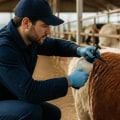
This proactive approach not only helps in identifying health issues early but also reinforces the bond between the farmer and their livestock. In the following sections, we will delve deeper into specific signs of healthy animals and effective farm animal care practices that can lead to a thriving farm environment.
Physical Signs of Healthy Farm Animals
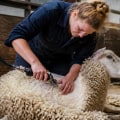
When assessing the health of farm animals, several physical signs can provide valuable insights into their overall well-being. Observing these indicators regularly can help farmers ensure that their livestock is thriving and receiving proper farm animal care.- Coat Condition: A healthy animal typically has a shiny, clean coat free from excessive dirt, parasites, or bald patches. For instance, cattle should have a smooth and glossy coat, while sheep should exhibit a well-groomed fleece.
- Body Weight: Maintaining an appropriate body weight is crucial for livestock health.
Animals that are underweight may show signs of malnutrition, while those that are overweight could be at risk for metabolic disorders. Regularly monitoring weight can help identify any potential health issues early.
- Posture and Movement: Healthy farm animals should exhibit normal posture and movement. They should stand upright with their heads held high and move freely without signs of lameness or discomfort. Any reluctance to move or abnormal gait can indicate underlying health problems.
- Eyes and Mucous Membranes: Bright, clear eyes are a sign of good health.
The mucous membranes (gums) should be pink and moist, not pale or dry. Any discoloration or excessive tearing can signal illness.
- Appetite: A healthy appetite is a strong indicator of well-being. Animals that are eating regularly and showing interest in feed are likely in good health. Conversely, a sudden decrease in appetite can be a warning sign of illness.
Behavioral Indicators of Health
Understanding the behavioral indicators of health in farm animals is crucial for effective farm animal care.Healthy animals typically exhibit certain behaviors that reflect their well-being. Here are some key signs to look for:
- Activity Levels: A healthy farm animal is usually active and alert. Livestock should engage in regular movement, whether it’s grazing, walking, or playing. If you notice an animal that is lethargic or spends excessive time lying down, it may indicate underlying health issues.
- Social Interactions: Farm animals are social creatures.
Healthy animals often interact positively with their herd mates. Look for signs of playfulness, grooming behaviors, and a general interest in their surroundings. Isolation or aggression can be signs of stress or illness.
- Feeding Habits: A healthy appetite is a strong indicator of well-being. Animals should show enthusiasm during feeding times and maintain a consistent eating schedule.
Sudden changes in appetite, such as refusing food or excessive eating, can signal health problems.
Monitoring Vital Signs and Health Metrics
Monitoring the vital signs of farm animals is crucial for ensuring their overall health and well-being. By regularly checking these metrics, farmers can identify potential health issues before they escalate.The primary vital signs to monitor include temperature, heart rate, and respiration rate.
Temperature
The normal body temperature for most livestock ranges from 100.5°F to 102.5°F (38°C to 39.2°C). A temperature above this range may indicate fever or infection, while a lower temperature could suggest hypothermia or shock. To measure temperature accurately, use a digital thermometer designed for veterinary use, inserting it rectally for the most reliable reading.Heart Rate
The heart rate varies significantly among different species of farm animals. For example:- Cattle: 48-84 beats per minute
- Pigs: 60-100 beats per minute
- Sheep: 70-90 beats per minute
- Goats: 70-90 beats per minute
Monitoring heart rate can be done by feeling the pulse at the jaw or using a stethoscope.
Respiration Rate
The normal respiration rate for farm animals also varies by species:- Cattle: 10-30 breaths per minute
- Pigs: 20-30 breaths per minute
- Sheep: 12-25 breaths per minute
- Goats: 15-30 breaths per minute
Common Health Issues in Farm Animals
Maintaining the health of farm animals is crucial for both their well-being and the productivity of the farm. Understanding common health issues that can affect livestock is essential for early detection and treatment.Here are some prevalent diseases and conditions to watch for:
- Respiratory Infections: Conditions such as pneumonia can affect cattle, sheep, and goats. Signs include coughing, nasal discharge, and labored breathing.
- Digestive Disorders: Bloat, colic, and diarrhea are common in ruminants. Look for signs like abdominal distension, lack of appetite, or abnormal feces.
- Foot and Mouth Disease: This viral infection primarily affects cattle and pigs. Symptoms include fever, blisters in the mouth, and lameness.
- Parasitic Infections: Internal parasites like worms and external parasites such as ticks can lead to weight loss and poor coat condition.
Regular deworming is essential.
- Skin Conditions: Issues like mange or ringworm can cause itching and hair loss. Monitor for any unusual lesions or changes in skin texture.
- Behavioral Changes: A sudden change in behavior, such as lethargy or aggression, can indicate discomfort or illness.
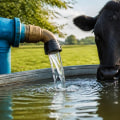
- Appetite Changes: A decrease in feed intake or water consumption is often one of the first signs of health issues.
- Physical Symptoms: Look for signs like swelling, limping, or unusual vocalizations that may suggest pain or distress.
- Temperature Fluctuations: A normal temperature for most farm animals ranges from 101°F to 102.5°F. A significant deviation may indicate illness.
By being proactive about farm animal care, you can prevent minor issues from escalating into serious health problems.
Preventative Care for Farm Animals
Maintaining the health of farm animals is crucial for their productivity and overall well-being.Preventative care
is an essential aspect of farm animal care that can significantly reduce the risk of illness and promote longevity. Here are some effective practices to consider:- Regular Health Check-ups: Schedule routine veterinary visits to monitor the health of your livestock. Early detection of potential health issues can lead to more effective treatment.
- Vaccination Programs: Implement a vaccination schedule tailored to the specific needs of your animals.
Vaccines can protect against common diseases that may affect their health.
- Nutritional Management: Provide a balanced diet that meets the nutritional requirements of each species. Proper nutrition supports immune function and overall vitality.
- Clean Living Conditions: Ensure that animal housing is clean, dry, and well-ventilated. Regularly remove waste and provide fresh bedding to minimize the risk of disease.
- Parasite Control: Develop a parasite management plan that includes regular deworming and monitoring for signs of infestation. This is vital for maintaining healthy livestock.
- Stress Reduction: Minimize stressors in the environment, such as overcrowding or abrupt changes in routine.
Stress can weaken an animal's immune system, making them more susceptible to illness.
FAQs About Farm Animal Health Signs
Understanding the signs of a healthy farm animal is crucial for effective farm animal care. Here are some frequently asked questions that can help you identify the health status of your livestock:What are the key signs of a healthy farm animal?
Healthy farm animals typically exhibit several key signs, including:- Bright eyes: Clear and bright eyes indicate good health, while dull or cloudy eyes may suggest illness.
- Shiny coat: A glossy and well-groomed coat is a sign of proper nutrition and care.
- Normal appetite: Healthy animals usually have a consistent and healthy appetite.
- Active behavior: Livestock that are lively and engage in normal activities are generally in good health.
- Regular bowel movements: Consistent and normal droppings indicate a well-functioning digestive system.
How can I tell if my livestock is sick?
Recognizing the signs of illness early can prevent serious health issues. Look for:- Lethargy: If an animal is unusually inactive or isolated from the herd, it may be unwell.
- Changes in eating habits: A sudden decrease or increase in appetite can signal health problems.
- Coughing or nasal discharge: Respiratory issues often manifest through coughing or abnormal nasal secretions.
- Weight loss: Unexplained weight loss is a significant indicator of underlying health issues.
What should I do if I notice signs of illness?
If you observe any concerning signs, it’s essential to take action:- Isolate the affected animal: This helps prevent the potential spread of disease to other livestock.
- Consult a veterinarian: Professional advice is crucial for accurate diagnosis and treatment.
- Monitor closely: Keep an eye on the animal’s condition and follow any treatment plans provided by your vet.
Conclusion: Ensuring Optimal Health for Your Farm Animals
In conclusion, recognizing the signs of a healthy farm animal is crucial for effective farm animal care.By being attentive to their physical appearance, behavior, and overall well-being, farmers can ensure that their livestock thrive and contribute positively to the farm's productivity. Key indicators of health include:
- Physical Appearance: Healthy animals typically have bright eyes, clean coats, and a good body condition. Regular grooming and monitoring for signs of parasites or skin issues are essential.
- Behavior: A healthy farm animal will exhibit normal behaviors such as grazing, socializing with other animals, and showing curiosity. Any sudden changes in behavior can indicate health issues.
- Appetite: Consistent eating habits are a strong sign of health. A sudden decrease in appetite can be a warning sign that should not be ignored.
- Vital Signs: Monitoring vital signs such as temperature, heart rate, and respiration can help detect potential health problems early.
Farmers should also be aware of the specific needs of different species and breeds to provide tailored care. Ultimately, investing time and resources into understanding and promoting the health of farm animals not only enhances their quality of life but also ensures the sustainability and productivity of farming operations. By prioritizing farm animal care, farmers can foster a thriving environment that benefits both the animals and the agricultural community as a whole.