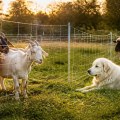
Providing clean water for farm animals is not just a matter of convenience; it is a fundamental aspect of farm animal care that directly influences their health and productivity. Water is essential for all living organisms, and for livestock, it plays a critical role in digestion, nutrient absorption, and overall metabolic processes. When animals have access to fresh, uncontaminated water, they are more likely to thrive, leading to improved growth rates and better reproductive performance. The quality of water available to farm animals can significantly impact their well-being. Contaminated water sources can lead to a range of health issues, including gastrointestinal diseases and reduced immune function.
This not only affects the individual animals but can also have broader implications for herd health and farm productivity. Ensuring that livestock have access to clean water helps prevent disease outbreaks and reduces veterinary costs, making it a vital investment for any farmer. Moreover, the importance of clean water extends beyond mere survival; it enhances the overall quality of life for farm animals. Animals that are well-hydrated exhibit better behavior, are less stressed, and show increased activity levels. This contributes to a more harmonious farming environment and can even improve the quality of products such as milk and meat.
In essence, prioritizing water quality is an integral part of effective farm animal care, ensuring that animals remain healthy, productive, and content.
Understanding the Water Needs of Different Farm Animals
Providing adequate water is crucial for farm animal care, as different species have unique hydration needs influenced by factors such as size, age, and production stage. Understanding these requirements is essential for maintaining the health and productivity of farm animals.Water Needs of Cows
Cows are among the largest farm animals and have significant water requirements. On average, a mature cow may drink between 30 to 50 gallons of water per day, depending on factors like temperature, humidity, and lactation status. Lactating cows require even more, sometimes exceeding 100 gallons daily.It is vital to provide clean, fresh water at all times to ensure optimal milk production and overall health.
Water Requirements for Pigs
Pigs also have specific hydration needs that vary with their age and weight. Young piglets may consume around 1 to 2 gallons of water daily, while adult pigs can require up to 7 to 10 gallons. Proper hydration is essential for their growth and digestion. Additionally, pigs are known to prefer drinking from clean sources, so ensuring that their water supply is free from contaminants is crucial.Drinking Habits of Sheep
Sheep generally have lower water requirements compared to cows and pigs, averaging about 1 to 2 gallons per day.However, this can increase during hot weather or when they are lactating. Sheep tend to drink less frequently but in larger amounts when they do. Providing access to clean water sources is essential for their health, especially during the warmer months when dehydration can become a risk.In summary, understanding the specific water needs of different farm animals is a key component of effective farm animal care. By ensuring that each species has access to adequate hydration tailored to their unique requirements, farmers can promote better health and productivity across their livestock.
Sources of Clean Water for Farm Animals
Providing clean water for farm animals is essential for their health and productivity.There are several sources of clean water that farmers can utilize to ensure their livestock remain hydrated and healthy.
Natural Water Sources
Natural water sources can be a viable option for farms located near rivers, streams, or ponds. These sources often provide fresh water, but it is crucial to monitor their quality regularly. Here are some considerations:- Water Quality: Regular testing for contaminants such as bacteria, algae, and pollutants is necessary to ensure the water is safe for consumption.
- Access: Ensure that animals can access these natural sources without causing erosion or damaging the surrounding environment.
- Seasonal Changes: Be aware that natural water sources may fluctuate in availability due to seasonal changes, which can affect hydration levels in livestock.
Well Water for Farms
Drilling a well can be an excellent long-term solution for providing clean water. Well water is typically free from surface contaminants and can be a reliable source year-round.Consider the following:
- Testing: Regularly test well water for nitrates, bacteria, and other harmful substances to ensure it remains safe for your animals.
- Pumping System: Invest in a good pumping system to maintain consistent water pressure and availability.
- Maintenance: Keep the well area clean and free from debris to prevent contamination.
Municipal Water Supplies
If your farm is located near urban areas, municipal water supplies can also be a reliable source of clean water. This option often comes with its own set of advantages and challenges:- Regulation: Municipal water is usually treated and regulated, ensuring a high standard of cleanliness.
- Cost: Be mindful of the costs associated with municipal water usage, as it may vary based on consumption rates.
- Infrastructure: Ensure that your farm has the necessary infrastructure to connect to municipal supplies effectively.
Water Quality Testing and Maintenance
Providing clean water for farm animals is crucial for their health and productivity. Regular water quality testing is essential to ensure that the water supply is free from harmful contaminants that can affect livestock.Contaminated water can lead to serious health issues, including gastrointestinal diseases and reduced growth rates.
Importance of Water Quality Testing
- Regular Testing: It is recommended to test water sources at least twice a year, or more frequently if there are changes in the environment or water source.
- Parameters to Test: Key parameters include pH levels, total dissolved solids (TDS), microbial contamination, and the presence of heavy metals or pesticides.
- Testing Methods: Utilize both field tests and laboratory analyses to get a comprehensive understanding of water quality.
Maintaining a Clean Water Supply
- Regular Cleaning: Water troughs and storage tanks should be cleaned regularly to prevent algae growth and sediment buildup.
- Proper Placement: Ensure that water sources are located away from manure piles, feed areas, and other potential sources of contamination.
- Monitoring Water Levels: Keep an eye on water levels to ensure that animals always have access to fresh water, as dehydration can lead to severe health issues.
Common Contaminants in Animal Drinking Water
- Bacteria and Viruses: Pathogens can enter the water supply through runoff or fecal contamination, posing a risk to animal health.
- Nitrates and Nitrites: These compounds can leach into water from fertilizers and manure, leading to toxicity in livestock.
- Pesticides and Heavy Metals: Agricultural runoff can introduce harmful chemicals into drinking water, necessitating regular testing and monitoring.
Seasonal Considerations for Providing Clean Water
Providing clean water for farm animals is not a one-size-fits-all approach, especially when considering the seasonal changes that can significantly impact water availability and consumption. Understanding these variations is crucial for effective farm animal care.Winter Water Supply for Livestock
During the winter months, water sources can freeze, making it challenging for livestock to access clean drinking water. To combat this issue, farmers should consider the following strategies:- Heated Water Troughs: Installing heated water troughs can prevent freezing and ensure a constant supply of liquid water.
- Insulated Containers: Using insulated containers can help maintain water temperature above freezing.
- Regular Monitoring: Frequent checks on water supplies are essential to ensure that animals have access to clean water at all times.
Summer Hydration Needs for Animals
In contrast, summer brings its own set of challenges as high temperatures increase the hydration needs of farm animals.During this season, it is vital to:
- Increase Water Availability: Ensure that there are multiple sources of clean water available to accommodate higher consumption rates.
- Monitor Water Quality: Regularly check for contaminants and algae growth in water sources, as warm weather can promote these issues.
- Provide Shade: Offering shaded areas near water sources encourages animals to drink more frequently and stay hydrated.
Seasonal Changes in Animal Drinking Habits
The drinking habits of farm animals can vary significantly with the seasons. For instance, during colder months, animals may drink less due to lower metabolic rates. Conversely, in warmer months, their intake increases as they seek to cool down. Observing these patterns allows farmers to adjust their management practices accordingly:- Behavioral Observations: Pay attention to how often animals visit water sources and adjust supply as needed.
- Adaptation Strategies: Implement seasonal strategies such as rotating watering locations or using mobile water tanks to meet changing demands.
Common Challenges in Providing Clean Water and Solutions
Providing clean water for farm animals is essential for their health and productivity, yet farmers often face several challenges in farm water supply.Understanding these challenges and implementing effective solutions can significantly improve the quality of water available to livestock.
- Contamination from Environmental Factors: Water sources can become contaminated due to runoff from fertilizers, pesticides, or animal waste. This not only affects the quality of the water but can also pose serious health risks to animals.
- Inadequate Water Supply: During dry seasons or droughts, natural water sources may dwindle, making it difficult to provide sufficient water for all animals. This can lead to dehydration and decreased productivity.
- Infrastructure Issues: Old or poorly maintained water systems can lead to leaks and contamination. Farmers may struggle with outdated equipment that fails to deliver clean water consistently.
- Regular Testing: Conducting regular water quality tests helps identify contaminants early.
Farmers should test for bacteria, nitrates, and other harmful substances to ensure the safety of their water supply.
- Implementing Filtration Systems: Installing filtration systems can effectively remove impurities from water sources. Options include sand filters, UV treatment, or reverse osmosis systems tailored to the specific needs of the farm.
- Water Storage Solutions: Using covered tanks or cisterns can protect stored water from contamination. Additionally, ensuring that these storage systems are regularly cleaned will help maintain water quality.
- Proper Waste Management: Implementing effective waste management practices reduces the risk of runoff contaminating water sources. This includes proper disposal of manure and using buffer zones around water bodies.
FAQs About Clean Water for Farm Animals
Providing clean water for farm animals is crucial for their health and productivity.Here are some frequently asked questions that can help clarify common concerns regarding hydration for livestock.
How much water do cows drink daily?
Cows are large animals with significant hydration needs. On average, a mature cow can drink between 30 to 50 gallons of water per day, depending on factors such as size, diet, and environmental conditions. During hot weather or when consuming dry feed, their water intake may increase significantly. It's essential to ensure that cows have constant access to fresh, clean water to maintain their health and milk production.Can animals drink pond water?
While some farm animals may instinctively drink from ponds or streams, pond water is not a safe source of hydration.It can contain harmful bacteria, parasites, and pollutants that can lead to serious health issues. Instead, it is advisable to provide a clean and reliable source of water, such as troughs or tanks that are regularly cleaned and refilled.
What is the best way to provide hydration to pigs?
Pigs require a consistent supply of clean water for optimal health. The best way to provide hydration is through automatic waterers or troughs that are designed for easy access. These systems should be checked regularly to ensure they are functioning properly and that the water remains clean.Additionally, pigs tend to prefer cool water, so providing shaded areas for their water sources can encourage better drinking habits.In summary, understanding the specific hydration needs of different farm animals is essential for effective farm animal care. By addressing these common questions, farmers can ensure their livestock remain healthy and productive.
Conclusion: Key Takeaways on Farm Animal Care and Clean Water Provisioning
In conclusion, providing clean water for farm animals is a fundamental aspect of farm animal care that cannot be overlooked. Throughout this article, we have explored various methods and best practices to ensure that livestock have access to fresh and safe drinking water.Key Takeaways:
- Water Quality: Regularly test and monitor the quality of water sources to prevent contamination from pollutants or pathogens.
- Water Accessibility: Ensure that all animals can easily access water, especially during extreme weather conditions, as hydration needs can vary significantly.
- Water Temperature: Maintain an appropriate water temperature; animals may refuse to drink cold or hot water, which can lead to dehydration.
- Regular Cleaning: Clean water troughs and containers frequently to prevent algae growth and other contaminants that can harm animal health.
- Hydration Monitoring: Observe animal behavior for signs of dehydration, such as reduced activity or dry mucous membranes, and adjust water provisions accordingly.
By prioritizing clean water access, farmers can ensure their animals thrive, leading to a more successful farming operation.