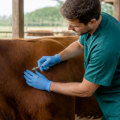
Understanding stress in farm animals is crucial for ensuring their well-being and optimizing farm productivity. Just like humans, animals experience stress, which can significantly impact their health, behavior, and overall quality of life. Recognizing the signs of stress is the first step in effective farm animal care. Stress can arise from various factors, including environmental conditions, social dynamics, and management practices.
When animals are stressed, they may exhibit changes in behavior such as increased aggression, withdrawal from social interactions, or abnormal vocalizations. Moreover, the implications of stress extend beyond individual animals; it can affect entire herds or flocks. For instance, stressed animals may have lower reproductive rates, reduced growth performance, and compromised immune systems. This not only raises concerns about animal welfare but also poses economic challenges for farmers. Therefore, understanding the signs of stress is essential for implementing effective management strategies that promote a healthier environment for livestock. Farmers and caretakers must be vigilant in observing their animals for any behavioral changes that could indicate stress.
By prioritizing animal welfare and addressing the root causes of stress, farmers can create a more harmonious living environment that benefits both the animals and the productivity of the farm. In the following sections, we will delve deeper into specific signs of stress in farm animals and explore practical methods to mitigate these stressors.
Common Signs of Stress in Farm Animals
Recognizing the signs of stress in farm animals is crucial for effective farm animal care. Stress can manifest in both physical and behavioral ways, and being able to identify these signs early can help farmers take appropriate action to mitigate the issue.Physical Signs of Stress
- Changes in Appetite: A sudden decrease or increase in food intake can indicate stress. Animals may refuse to eat or overeat as a coping mechanism.
- Weight Loss or Gain: Prolonged stress often leads to noticeable weight changes, which can affect overall health and productivity.
- Abnormal Posture: Animals under stress may exhibit unusual postures, such as hunching their backs or standing with their heads lowered.
- Excessive Grooming or Fur Loss: Some animals may groom themselves excessively, leading to bald patches or skin irritations.
- Increased Heart Rate: Elevated heart rates can be a clear indicator of stress, especially in livestock like cattle and sheep.
Behavioral Signs of Stress
- Aggression: Increased aggression towards other animals or humans can signal that an animal is feeling threatened or stressed.
- Avoidance Behavior: Animals may isolate themselves from the herd or flock, indicating discomfort or anxiety.
- Pacing or Restlessness: Repetitive movements, such as pacing back and forth, are common signs of stress in many species.
- Loud Vocalizations: Unusual sounds, such as excessive barking, bleating, or mooing, can indicate distress among farm animals.
Early detection allows for timely interventions, which can significantly improve the well-being of the animals and enhance overall farm productivity.
Factors Contributing to Stress in Farm Animals
Understanding the factors contributing to stress in farm animals is crucial for effective farm animal care. Stress can arise from various environmental and management practices that affect livestock well-being.Environmental Factors
Environmental conditions play a significant role in the stress levels of farm animals. Key factors include:- Temperature Extremes: Both heat and cold can lead to discomfort and stress. Animals may struggle to maintain their body temperature, leading to increased vulnerability to illness.
- Space Limitations: Overcrowding can create competition for resources such as food and water, leading to aggression and anxiety among animals.
- Noise Pollution: Loud noises from machinery or nearby traffic can startle animals, causing them to feel threatened and stressed.
Management Practices
Poor management practices can exacerbate stress in livestock.Some common issues include:
- Poor Nutrition: Inadequate or unbalanced diets can lead to health problems, making animals more susceptible to stress.
- Lack of Social Interaction: Many farm animals are social creatures. Isolation or inadequate social structures can lead to loneliness and stress.
- Inconsistent Handling: Rough or unpredictable handling by humans can instill fear in animals, leading to chronic stress responses.
Effective Strategies to Reduce Stress in Farm Animals
Reducing stress in farm animals is crucial for their overall health and productivity. Implementing effective strategies can significantly enhance animal welfare and improve farm management practices.Here are some practical techniques to consider:
- Provide Adequate Space: Ensure that animals have enough room to move freely. Overcrowding can lead to increased stress levels, so it’s essential to adhere to recommended space requirements for each species.
- Maintain a Consistent Routine: Animals thrive on routine. Establishing a consistent feeding, milking, and handling schedule can help reduce anxiety and create a sense of security.
- Enhance Environmental Comfort: Create a comfortable living environment by providing proper ventilation, temperature control, and clean bedding. This helps minimize discomfort and stress.
- Social Interaction: Many farm animals are social creatures.
Allowing them to interact with their peers can reduce feelings of isolation and stress. However, be mindful of the social dynamics within groups to prevent bullying or aggression.
- Gentle Handling Techniques: Train staff in low-stress handling techniques. Using calm voices and gentle movements can help animals feel more secure during routine care or veterinary visits.
- Nutritional Management: A balanced diet tailored to the specific needs of each species can prevent nutritional deficiencies that may lead to stress. Regularly assess feed quality and availability.
Regularly monitoring animal behavior and health can also help identify any emerging stressors, allowing for timely interventions.
The Role of Nutrition in Managing Stress Levels
Proper nutrition plays a crucial role in managing stress levels among farm animals. A well-balanced diet not only supports physical health but also significantly influences behavior and emotional well-being. When animals receive the right nutrients, they are better equipped to cope with stressors in their environment.Dietary impact on livestock health
is profound. For instance, deficiencies in essential vitamins and minerals can lead to weakened immune systems, making animals more susceptible to stress-related illnesses.Key nutrients such as omega-3 fatty acids, vitamins A, E, and D, and selenium have been shown to enhance resilience against stress. Incorporating these nutrients into the diet can help maintain optimal health and reduce anxiety levels.
Feeding practices for reducing stress
Implementing effective feeding practices is essential for minimizing stress in farm animals. Here are some strategies:- Consistent feeding schedules: Animals thrive on routine. Regular feeding times can help reduce anxiety and create a sense of security.
- High-quality forage: Providing fresh, high-quality forage can improve digestion and overall health, which in turn reduces stress.
- Avoid sudden dietary changes: Abrupt changes in diet can lead to digestive upset and increased stress.
Gradually introducing new feeds allows animals to adjust without added pressure.
- Hydration: Ensuring access to clean, fresh water is vital. Dehydration can exacerbate stress levels and negatively impact health.
Creating a Comfortable Living Environment for Farm Animals
Creating a comfortable living environment is essential for farm animal care and plays a crucial role in reducing stress among livestock. When animals are housed in environments that meet their physical and psychological needs, they exhibit fewer signs of stress and better overall health.Animal Housing Design
The design of animal housing should prioritize space, ventilation, and access to natural light.Adequate space allows animals to move freely, reducing feelings of confinement that can lead to stress. Proper ventilation helps maintain air quality, while natural light supports the animals' circadian rhythms, promoting a sense of well-being.
Environmental Enrichment for Livestock
Incorporating environmental enrichment into the living spaces of farm animals can significantly enhance their quality of life. This can include:- Providing toys or objects that encourage play and exploration.
- Creating varied feeding stations to stimulate foraging behavior.
- Introducing different textures in bedding materials to encourage natural behaviors.
Comfort in Farm Animal Care
The comfort of farm animals extends beyond just their physical environment. Regular handling and positive human-animal interactions can foster trust and reduce anxiety.Additionally, ensuring that animals have access to clean water, nutritious food, and appropriate shelter from harsh weather conditions is vital for their comfort.By focusing on these aspects of farm animal care, farmers can create a more harmonious living environment that minimizes stress and promotes the health and productivity of their livestock.
Monitoring and Assessing Animal Well-Being Regularly
Regular monitoring and assessment of animal well-being are crucial components of farm animal care. By implementing systematic checks, farmers can identify early signs of stress and take appropriate action to mitigate it. This proactive approach not only enhances the welfare of the animals but also improves overall productivity on the farm.Utilizing animal welfare assessment tools can significantly aid in this process. These tools often include checklists and scoring systems that evaluate various aspects of animal health, behavior, and environment.Some key indicators to monitor include:
- Behavioral changes: Look for signs such as increased aggression, withdrawal from the herd, or abnormal vocalizations.
- Physical health: Regularly check for weight loss, poor coat condition, or signs of illness.
- Environmental factors: Assess living conditions for overcrowding, inadequate shelter, or poor hygiene.
- Routine veterinary visits: Schedule regular health assessments with a veterinarian to ensure vaccinations and treatments are up to date.
- Nutritional evaluations: Monitor feed quality and ensure that animals receive a balanced diet tailored to their specific needs.
- Behavioral observations: Spend time observing animals in their environment to detect any changes in behavior that may indicate stress.
FAQs About Stress in Farm Animals and Their Care
Understanding the signs of stress in farm animals is crucial for effective farm animal care. Here are some frequently asked questions that can help clarify this important topic:- What are common signs of stress in farm animals?
Farm animals may exhibit various signs of stress, including:- Increased vocalization
- Changes in eating habits
- Aggressive behavior or withdrawal
- Excessive grooming or fur loss
- Restlessness or pacing
- How can I identify if my livestock is stressed?
Monitoring your animals regularly is key.Look for behavioral changes, physical symptoms, and overall demeanor. Animals that are isolated from the herd or show signs of illness may be experiencing stress.
- What are effective methods to reduce stress in farm animals?
Implementing proper animal care practices can significantly reduce stress levels. Consider the following strategies:- Ensure adequate space and shelter to prevent overcrowding.
- Provide a consistent feeding schedule to create a sense of routine.
- Minimize loud noises and sudden movements around the animals.
- Introduce new animals gradually to avoid overwhelming the existing herd.
- How does environmental enrichment help?
Providing environmental enrichment, such as toys or varied feeding methods, can stimulate natural behaviors and reduce boredom, which in turn lowers stress levels.
Conclusion: Prioritizing Farm Animal Care for Better Outcomes
In conclusion, recognizing the signs of stress in farm animals is crucial for ensuring their well-being and productivity. Throughout this article, we have explored various indicators of stress, such as changes in behavior, physical health issues, and environmental factors.By being vigilant and observant, farmers can identify these signs early and take appropriate action.Addressing stress in farm animals not only enhances their quality of life but also leads to better outcomes for farmers. Healthy animals are more productive, which can significantly impact the overall success of a farming operation. Here are some key strategies to prioritize farm animal care and reduce stress:
- Provide Adequate Space: Ensure that animals have enough room to move freely and exhibit natural behaviors.
- Maintain a Clean Environment: Regularly clean living areas to prevent disease and promote comfort.
- Implement Proper Nutrition: Offer a balanced diet tailored to the specific needs of each species to support their health.
- Minimize Handling Stress: Use gentle handling techniques and minimize unnecessary interactions that could cause anxiety.
- Monitor Social Dynamics: Observe social interactions among animals to prevent bullying or isolation, which can lead to stress.