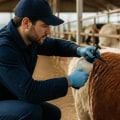
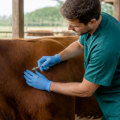
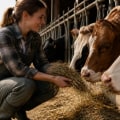
Understanding farm animal behavior is essential for anyone involved in farm animal care. Each species exhibits unique instincts and behaviors that can significantly influence how they should be handled and restrained. For instance, cattle are herd animals that thrive on social interaction, while pigs are known for their intelligence and curiosity. Recognizing these traits not only enhances the welfare of the animals but also ensures the safety of the handlers. Farm animals often react instinctively to their environment, which can lead to stress if not properly managed.
For example, sudden movements or loud noises can startle them, causing panic and potential injury. By understanding these natural instincts, handlers can employ effective animal handling techniques that minimize stress and promote a calm atmosphere. Techniques such as low-stress handling methods, which involve gentle movements and voice commands, can make a significant difference in how animals respond during routine care. Moreover, being aware of body language is crucial in interpreting an animal's emotional state. Signs of fear or discomfort, such as tail swishing in cattle or raised hackles in sheep, can indicate that an animal is not ready to be handled.
By observing these behaviors closely, handlers can adjust their approach accordingly, ensuring a safer and more humane experience for both the animals and themselves. Ultimately, a deep understanding of animal instincts lays the foundation for effective farm animal care, fostering a harmonious relationship between humans and livestock.
Safety First: Preparing for Animal Handling
When it comes to farm animal care, ensuring safety for both the handler and the animals is paramount. Proper preparation can significantly reduce the risk of accidents and injuries. Here are some essential safety precautions and equipment to consider before handling farm animals.Essential Safety Precautions
- Assess the Environment: Before approaching any animal, evaluate the surroundings.
Ensure that the area is free from hazards such as sharp objects, slippery surfaces, or other animals that may cause distractions.
- Know the Animal: Understanding the behavior and temperament of the specific animal you are handling is crucial. Some animals may be more skittish or aggressive than others, so take time to observe them from a distance.
- Wear Appropriate Gear: Always wear suitable clothing and protective gear. This includes sturdy boots, gloves, and long sleeves to protect against bites or scratches.
Necessary Equipment
- Halters and Leads: Use well-fitted halters and leads to maintain control over larger animals. Ensure that these tools are in good condition to prevent accidents.
- First Aid Kit: Always have a first aid kit on hand specifically designed for animal care.
This should include antiseptics, bandages, and any necessary medications.
- Feeding Tools: Use appropriate feeding tools to minimize stress during feeding times. This can help keep animals calm and reduce the risk of injury during handling.
Best Practices for Handling Livestock
Handling livestock requires a thoughtful approach that prioritizes humane animal care and minimizes stress for the animals. Here are some best practices to consider:- Understand Animal Behavior: Each species has unique behaviors and instincts.
Familiarize yourself with the specific traits of the livestock you are handling, whether they are cattle, sheep, pigs, or goats. Recognizing signs of stress or discomfort can help you respond appropriately.
- Use Calm and Gentle Movements: Sudden movements or loud noises can startle animals. Approach them slowly and speak softly to create a sense of security. This is especially important when working with skittish animals.
- Establish a Routine: Animals thrive on routine.
Regular feeding, handling, and care schedules can help reduce anxiety and promote trust between you and your livestock.
- Utilize Proper Equipment: Ensure that any tools or equipment used for handling are designed for animal welfare. Restraints should be safe and comfortable, allowing for necessary control without causing harm.
- Practice Positive Reinforcement: Rewarding animals for calm behavior can encourage them to remain relaxed during handling. Treats or gentle pats can reinforce positive interactions.
Animals are sensitive to human emotions and physical cues. By remaining calm and confident, you can foster a more positive experience for both you and your livestock.
Common Challenges in Animal Handling and Restraint
Handling and restraining farm animals can present a variety of challenges that require patience, knowledge, and skill. Understanding these challenges is essential for improving animal care and ensuring the safety of both the animals and handlers. One common issue in animal handling is fear-based behavior. Animals may react unpredictably when they feel threatened or scared, leading to stress and potential injury.For instance, cattle may become agitated when approached too quickly or without proper introduction. To mitigate this, it is crucial to approach animals calmly and allow them to acclimate to human presence. Another challenge is the physical strength of certain farm animals. Large animals like horses and cattle can be difficult to restrain due to their size and power. Using appropriate equipment, such as halters or chutes, can help manage these animals safely.
Additionally, training animals to respond to commands can significantly reduce the risk of injury during handling.Overcoming Animal Behavior Problems
- Understanding Body Language: Recognizing signs of stress or discomfort in animals can help handlers adjust their approach. For example, a horse that pins its ears back may be feeling threatened.
- Consistent Handling: Regular interaction with animals can build trust and reduce anxiety. Handlers should strive for consistency in their methods to create a predictable environment for the animals.
- Positive Reinforcement: Using treats or praise when an animal behaves well during handling can encourage good behavior and make future interactions easier.
FAQs About Farm Animal Care and Handling
When it comes to farm animal care, many people have questions about the best practices for handling and restraining animals.Here are some frequently asked questions that can help clarify these important aspects of animal husbandry.
What is the best way to approach farm animals?
Approaching farm animals requires a calm demeanor and an understanding of their behavior. Always approach from the side rather than head-on, as this is less intimidating for the animal. Speak softly and avoid sudden movements to prevent startling them.How should I handle different types of farm animals?
- Cattle: Use a halter for leading and ensure you are on their left side, as they are more accustomed to this position.
- Sheep: Gently grasp the hind leg or use a shepherd's crook to guide them without causing stress.
- Pigs: Use a snare or a pig board to guide them, as they can be quite strong and stubborn.
- Chickens: Approach slowly and gently scoop them up, supporting their body to avoid injury.
What are some tips for restraining farm animals safely?
Restraint should always prioritize the animal's welfare. Here are some tips:- Use appropriate equipment: Invest in quality halters, ropes, and pens designed for specific species.
- Minimize stress: Keep the environment calm and quiet during handling to reduce anxiety in the animals.
- Know your animal: Understand the specific needs and behaviors of each species to handle them effectively.
They can provide tailored advice based on your specific situation.
Conclusion: Key Takeaways on Farm Animal Care
In conclusion, understanding the proper techniques for handling and restraining farm animals is crucial for ensuring their well-being and safety. Throughout this article, we have explored various methods and best practices that not only protect the animals but also enhance the efficiency of farm operations.Key Takeaways:- Calm Environment: Always approach farm animals in a calm and quiet manner to reduce stress. Animals are sensitive to human emotions, and a peaceful atmosphere can significantly improve their response to handling.
- Proper Restraint Techniques: Utilize appropriate restraint methods tailored to each species. For instance, using halters for cattle or gentle handling techniques for sheep can prevent injury to both the animal and handler.
- Understanding Animal Behavior: Familiarize yourself with the natural behaviors of different farm animals.
Recognizing signs of fear or aggression can help you adjust your approach and avoid potential accidents.
- Regular Training: Continuous education on animal handling techniques is essential. Attend workshops or training sessions to stay updated on best practices in farm animal care.
- Health Monitoring: Regularly check for signs of illness or distress during handling. Early detection of health issues can lead to better outcomes for the animals.
Remember, a well-cared-for animal is a productive animal, making it imperative to prioritize effective handling techniques in your daily routines.