Providing adequate shelter for farm animals is a fundamental aspect of farm animal care that directly impacts their health, safety, and overall well-being. Shelter serves as a protective barrier against harsh weather conditions, predators, and other environmental stressors that can jeopardize the animals' welfare. Understanding the importance of shelter is crucial for any farmer or animal caretaker who aims to promote a thriving and productive livestock environment. Farm animals, whether they are cattle, sheep, goats, or poultry, have specific needs that must be met to ensure their comfort and health. Proper shelter not only provides a safe haven from extreme temperatures—be it the scorching heat of summer or the biting cold of winter—but also offers a space where animals can rest, socialize, and express natural behaviors.
This is essential for their mental and emotional well-being, which is often overlooked in discussions about animal welfare.Moreover, the design and construction of animal shelters can significantly influence productivity. For instance, well-ventilated barns can reduce the risk of respiratory diseases in livestock, while clean and dry bedding can prevent infections. By prioritizing appropriate shelter solutions, farmers can enhance the quality of life for their animals while also improving their own operational efficiency. In the following sections, we will delve deeper into various types of shelters suitable for different farm animals and how to implement them effectively.
Types of Farm Animal Shelters
When it comes to farm animal care, providing appropriate shelter is crucial for the health and well-being of livestock.Different types of farm animals have varying needs, and understanding these can help farmers choose the right shelter options.
- Barns: Ideal for larger livestock such as cows and horses, barns offer ample space and protection from harsh weather. They can be designed with separate stalls for individual animals, ensuring comfort and safety.
- Shelters for Poultry: Chickens and other birds require well-ventilated coops that protect them from predators. These shelters should include nesting boxes and perches to promote natural behaviors.
- Run-in Sheds: Commonly used for horses and goats, run-in sheds provide a simple structure that allows animals to come and go freely while offering protection from rain and sun.
- Pasture Shelters: For animals that spend most of their time outdoors, such as sheep, portable shelters can be placed in pastures. These structures are lightweight and can be moved to provide fresh grazing areas.
- Ventilation: Proper airflow is essential to prevent respiratory issues in animals.
- Insulation: In colder climates, insulated shelters help maintain a comfortable temperature.
- Space: Ensure there is enough room for each animal to move freely without overcrowding.
Investing in the right housing solutions not only enhances animal welfare but also contributes to the overall success of the farm.
Key Considerations When Choosing Shelter
When it comes to choosing farm animal shelter, several critical factors must be taken into account to ensure the well-being of your animals. The right shelter not only protects them from the elements but also promotes their health and productivity.Climate Considerations
The local climate plays a significant role in determining the type of shelter needed. In regions with harsh winters, shelters should be insulated and windproof to keep animals warm. Conversely, in hot climates, adequate ventilation and shade are essential to prevent heat stress.Always consider the seasonal changes and how they affect your animals' comfort.
Space Requirements
Each species of farm animal has specific space requirements that must be met for their physical and psychological well-being. For example:- Cattle: Require ample space to move around, with a minimum of 100 square feet per animal in a barn setting.
- Chickens: Need about 4 square feet per bird inside the coop, plus outdoor space for foraging.
- Horses: Should have at least 12x12 feet of stall space, along with access to pasture.
Specific Needs of Different Species
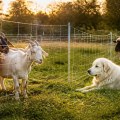
Different farm animals have unique needs that must be addressed when selecting shelter:- Goats: Require sturdy fencing and shelter that protects them from predators while allowing them to climb and explore.
- Pigs: Benefit from a dry, clean area with good drainage to prevent mud accumulation, as they are prone to skin issues.
- Sheep: Need protection from wind and rain, as they can suffer from hypothermia if wet.
Designing Effective Shelters for Different Species
When it comes to farm animal care, designing effective shelters is crucial for the well-being of various species. Each type of farm animal has unique needs that must be addressed to ensure their comfort and safety.Cows
Cows require spacious shelters that provide adequate ventilation and protection from harsh weather conditions.A well-designed barn should include:
- Ample space: Each cow should have at least 100 square feet of space to move freely.
- Proper ventilation: Roof vents and side openings help maintain air quality and reduce humidity.
- Soft bedding: Straw or sand bedding can help keep cows comfortable and reduce the risk of injury.
Pigs
Pigs thrive in environments that allow them to root and explore. Their shelters should be designed with the following features:- Insulation: Pigs are sensitive to temperature changes, so insulated walls can help maintain a stable environment.
- Outdoor access: Providing a secure outdoor area allows pigs to engage in natural behaviors.
- Easy cleaning: Floors should be designed for easy drainage and cleaning to maintain hygiene.
Chickens
For chickens, a well-ventilated coop is essential. Key design elements include:- Nesting boxes: Provide one nesting box for every 3-4 hens to encourage egg-laying.
- Roosting bars: Elevated roosting areas help chickens feel secure at night.
- Predator protection: Strong wire mesh and secure locks are necessary to keep chickens safe from predators.
Sheep
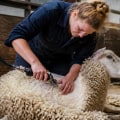
Sheep need shelters that protect them from wind and rain while allowing for good airflow. Consider these aspects:- Shelter size: Each sheep should have at least 20 square feet of space in the shelter.
- Dirt floors: Natural ground allows for better drainage and comfort.
- Access to pasture: Ensure that sheep can easily access grazing areas from their shelter.
Maintaining Farm Animal Shelters
Maintaining a safe and healthy environment for farm animals is crucial, and this begins with proper shelter upkeep.Regular maintenance of animal shelters not only ensures the well-being of livestock but also enhances their productivity and longevity.
Cleaning Routines
Establishing a consistent cleaning routine is essential for preventing the buildup of waste and harmful pathogens. Here are some key practices to consider:- Daily Cleaning: Remove manure and soiled bedding daily to minimize odors and reduce the risk of disease.
- Weekly Deep Cleaning: Conduct a thorough cleaning at least once a week, which includes scrubbing surfaces, disinfecting areas, and replacing bedding materials.
- Seasonal Maintenance: At the change of seasons, inspect shelters for wear and tear, ensuring that they are weatherproof and secure against the elements.
Repairs and Upkeep
Regular inspections are vital to identify any necessary repairs. Here are some aspects to focus on:- Structural Integrity: Check for any signs of damage in walls, roofs, and floors. Repair or replace any compromised materials to ensure safety.
- Ventilation: Ensure that ventilation systems are functioning properly to maintain air quality.
Poor ventilation can lead to respiratory issues in animals.
- Pest Control: Implement pest control measures to keep rodents and insects at bay, as they can pose health risks to livestock.
Common Mistakes in Farm Animal Shelter Management
Managing shelter for farm animals is crucial for their health and well-being, yet many farmers make common mistakes that can lead to serious issues. Understanding these pitfalls can help ensure better farm animal care.- Inadequate Space: One of the most frequent errors is providing insufficient space for animals. Overcrowding can lead to stress, aggression, and the spread of disease.
Each species has specific space requirements that should be adhered to.
- Poor Ventilation: Proper airflow is essential in any animal shelter. Failing to ensure adequate ventilation can result in respiratory issues and a buildup of harmful gases. Regularly check and maintain ventilation systems to promote a healthy environment.
- Neglecting Cleanliness: A clean shelter is vital for preventing disease. Many farmers overlook the importance of regular cleaning routines.
Manure and waste should be removed frequently, and bedding should be replaced to minimize health risks.
- Ignoring Weather Protection: Farm animals need protection from extreme weather conditions. Failing to provide adequate insulation or shade can lead to heat stress in summer or hypothermia in winter. Ensure that shelters are designed to withstand local climate conditions.
- Lack of Enrichment: Animals require mental stimulation just as much as physical care. Neglecting to provide enrichment can lead to boredom and behavioral issues.
Incorporate toys, scratching posts, or foraging opportunities into the shelter design.
FAQs About Farm Animal Shelters
When it comes to farm animal care, understanding the specific needs of different animals is crucial, especially regarding their shelter. Here are some frequently asked questions about farm animal shelters:- What type of shelter do chickens need?
Chickens require a well-ventilated coop that protects them from predators and harsh weather. The coop should have adequate space for each bird, nesting boxes, and perches. - How much space do goats need in their shelter?
Goats are social animals and need enough room to move around comfortably.A minimum of 15-20 square feet per goat is recommended in their shelter, along with proper ventilation and dry bedding.
- Do pigs need a specific type of shelter?
Pigs thrive in a clean, dry environment. Their shelter should be insulated to keep them warm in winter and cool in summer. A simple structure with a solid roof and walls will suffice, but it should also allow for proper drainage. - How can I ensure my barn is safe for livestock?
To ensure safety, regularly inspect the barn for hazards such as sharp objects or loose boards. Install secure locks on doors to prevent escapes and use non-toxic materials for any repairs or renovations. - What bedding is best for farm animal shelters?
Bedding options vary by animal but generally include straw, hay, or wood shavings.These materials help absorb moisture and provide comfort while also promoting hygiene.
Conclusion: Ensuring Optimal Shelter for Farm Animals
In conclusion, providing appropriate shelter for farm animals is a fundamental aspect of farm animal care that cannot be overlooked. The right shelter not only protects animals from harsh weather conditions but also promotes their overall health and well-being. As we have discussed, different species have unique needs that must be addressed to ensure their comfort and safety.Key considerations for optimal shelter include:- Size and Space: Each animal requires adequate space to move freely, lie down, and socialize. Overcrowding can lead to stress and health issues.
- Ventilation: Proper airflow is essential to prevent respiratory problems and maintain a comfortable environment.
- Insulation: Shelters should be insulated to protect animals from extreme temperatures, whether it’s the heat of summer or the cold of winter.
- Safety: Structures must be secure to protect animals from predators and other potential threats.
- Accessibility: Shelters should be easily accessible for both animals and caretakers, facilitating regular maintenance and care.
Furthermore, investing in quality shelter not only enhances animal welfare but can also lead to improved productivity and reduced veterinary costs in the long run.Ultimately, the responsibility of ensuring proper shelter falls on the shoulders of those who care for these animals. By prioritizing their needs and implementing best practices in farm animal care, we can foster a healthier, more humane environment for all farm inhabitants.