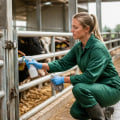
Effective pest control is a cornerstone of successful farm animal care, playing a crucial role in safeguarding the health and productivity of livestock. Pests such as insects, rodents, and parasites can pose significant threats to farm animals, leading to diseases that not only affect the animals' well-being but also impact overall farm productivity. Understanding the importance of pest management is essential for any farmer aiming to maintain a thriving agricultural operation. When pests invade a farm, they can cause stress and illness among animals, which may result in decreased milk production, lower weight gain, and even increased mortality rates. This not only affects the animals but can also lead to financial losses for farmers.
By implementing effective pest control strategies, farmers can create a healthier environment for their livestock, ensuring that they remain strong and productive. Moreover, the benefits of pest management extend beyond just animal health. A well-executed pest control plan can enhance the overall sustainability of farming practices. By reducing the reliance on chemical treatments and promoting natural pest deterrents, farmers can contribute to a healthier ecosystem while also improving the quality of their products. In this article, we will explore various methods of pest control that are essential for maintaining optimal farm animal health and ensuring a successful farming operation.
Biological Pest Control Methods
Biological pest control methods are increasingly recognized as effective and environmentally friendly alternatives to chemical pesticides.These methods leverage the natural relationships between organisms to manage pest populations, thereby promoting a healthier ecosystem on the farm.One of the most effective strategies in biological pest control is the introduction of natural predators. For instance, farmers can introduce ladybugs to control aphid populations, as these beneficial insects feed on aphids and help keep their numbers in check. Similarly, parasitic wasps can be used to target caterpillars and other harmful pests, effectively reducing their impact without harming beneficial species.Another approach involves the use of beneficial insects, which can be attracted to the farm through various means. Planting specific flowers that provide nectar and pollen can draw in predatory insects such as lacewings and hoverflies.
These insects not only prey on pests but also contribute to pollination, enhancing crop yields.
- Encouraging biodiversity: Maintaining a diverse ecosystem on the farm can naturally regulate pest populations. This includes planting a variety of crops and maintaining habitats for beneficial organisms.
- Companion planting: Certain plants can repel pests or attract beneficial insects when grown alongside crops. For example, marigolds are known to deter nematodes and attract pollinators.
- Using microbial agents: Introducing beneficial microbes into the soil can enhance plant health and resilience against pests, creating a more robust agricultural system.
Cultural Practices for Pest Management
Effective pest management on a farm is crucial for maintaining the health of both crops and farm animals.One of the most sustainable approaches to pest control is through cultural practices, which focus on modifying farming practices to create an environment that is less conducive to pest infestations.
Crop Rotation
Crop rotation is a fundamental cultural practice that involves alternating the types of crops grown in a particular area from season to season. This method disrupts the life cycles of pests and diseases that thrive on specific crops. For instance, if a farmer grows corn one year and then switches to soybeans the next, pests that target corn will find their food source diminished, thereby reducing their population. Additionally, rotating crops can improve soil health and fertility, further enhancing the resilience of the farm ecosystem.Sanitation Practices
Sanitation practices are another critical aspect of cultural pest control.Keeping the farm clean and free from debris can significantly reduce pest habitats. This includes:
- Regularly removing plant debris and weeds that can harbor pests.
- Properly disposing of any diseased plants to prevent the spread of pathogens.
- Maintaining clean storage areas for feed and equipment to deter rodents and insects.
Chemical Pest Control Options
Farmers often rely on chemical pest control methods to manage pest populations effectively. These methods can be categorized into various types of pesticides, each designed to target specific pests while minimizing harm to crops and livestock.- Insecticides: These are used to control insect pests that can damage crops or transmit diseases to farm animals.
Common active ingredients include pyrethroids and neonicotinoids, which are effective against a wide range of insects.
- Herbicides: These chemicals are employed to eliminate unwanted weeds that compete with crops for nutrients and water. Selective herbicides target specific weed species without harming the crops.
- Fungicides: Used to combat fungal infections that can affect both plants and animals, fungicides help maintain the health of crops and prevent disease spread among livestock.
- Read Labels Carefully: Always follow the manufacturer's instructions regarding dosage, timing, and application methods.
- Avoid Application During High Winds: Wind can cause pesticides to drift, potentially harming non-target organisms.
- Use Protective Gear: Farmers should wear appropriate protective equipment, such as gloves and masks, to minimize exposure during application.
- Implement Integrated Pest Management (IPM): Combining chemical methods with cultural practices can reduce reliance on pesticides and promote sustainable farming.
Integrated Pest Management (IPM) Strategies
Integrated Pest Management (IPM) is a comprehensive approach to pest control that emphasizes the use of multiple strategies to manage pest populations effectively while minimizing risks to farm animals and the surrounding ecosystem. By combining biological, cultural, physical, and chemical methods, IPM aims to create a balanced environment that discourages pest infestations.Key Components of IPM Strategies:
- Monitoring and Identification: Regularly monitoring pest populations and accurately identifying them is crucial.
This allows farmers to understand the specific pests affecting their crops and livestock, enabling targeted interventions.
- Biological Control: Utilizing natural predators or parasites can help keep pest populations in check. For example, introducing ladybugs can control aphid populations without harming beneficial insects.
- Cultural Practices: Implementing practices such as crop rotation, intercropping, and maintaining healthy soil can reduce pest habitats and improve plant resilience. These methods not only deter pests but also promote overall farm health.
- Physical Barriers: Using nets, row covers, or traps can physically prevent pests from reaching crops or livestock. This method is particularly effective for protecting young plants and vulnerable animals.
- Targeted Chemical Use: When necessary, applying pesticides should be done selectively and in accordance with established guidelines to minimize harm to non-target species, including beneficial insects and farm animals.
This holistic method not only protects crops but also contributes to sustainable farming practices that are essential for long-term agricultural success.
Preventive Measures for Long-Term Pest Control
Implementing preventive pest control measures is essential for maintaining a healthy farm environment and ensuring the well-being of farm animals. By focusing on long-term solutions, farmers can significantly reduce the risk of pest infestations and enhance overall farm productivity.One effective strategy is to maintain a clean and organized farm. Regularly removing debris, old feed, and waste can eliminate potential breeding grounds for pests. Additionally, proper storage of feed in sealed containers can prevent access by rodents and insects.Another important aspect of farm management is crop rotation.By alternating the types of crops grown in specific areas, farmers can disrupt the life cycles of pests that thrive on particular plants. This practice not only helps in pest control but also improves soil health and reduces disease prevalence.Incorporating natural predators into the farm ecosystem is also a valuable preventive measure. For instance, introducing beneficial insects like ladybugs or lacewings can help control aphid populations without the need for chemical pesticides. Additionally, birds can be encouraged to nest in the area to help manage insect populations.
Regular monitoring
is crucial for early detection of pest issues.
Farmers should routinely inspect their animals and crops for signs of infestation. Keeping detailed records of pest sightings and treatments can help identify patterns and inform future management decisions.Finally, educating farm staff about long-term pest control strategies is vital. Training sessions on identifying pests, understanding their life cycles, and implementing preventive measures can empower workers to take proactive steps in managing pest populations effectively.By adopting these preventive measures, farmers can create a sustainable approach to pest control that not only protects their livestock but also contributes to a more productive farming operation.
Common Pests Affecting Farm Animals and Their Impact
Farm animals are susceptible to a variety of pests that can significantly impact their health and overall farm operations. Understanding these common pests is crucial for effective farm animal care.- Flies: Flies, particularly the stable fly and house fly, are notorious for bothering livestock.
They can cause stress, reduce feed intake, and transmit diseases such as bovine viral diarrhea and pink eye.
- Ticks: Ticks are another common pest that affects farm animals, especially cattle and sheep. They can lead to anemia, skin infections, and transmit serious diseases like Lyme disease and Anaplasmosis.
- Mites: Mites, including poultry mites and sheep scab mites, can cause severe irritation and skin conditions in affected animals. Infestations can lead to decreased productivity and weight loss.
- Lice: Lice infestations are common in both cattle and sheep. These pests feed on the blood of their hosts, leading to anemia, itching, and secondary infections.
- Worms: Internal parasites such as roundworms and tapeworms can severely affect the health of livestock.
They can cause malnutrition, weight loss, and even death if left untreated.
FAQs About Pest Control in Farm Animal Care
When it comes to pest control in the context of farm animal care, many farmers have questions about effective strategies and best practices.Here are some frequently asked questions that can help clarify common concerns:
What are the most common pests on farms?
Farmers often encounter a variety of pests, including:- Flies: These can spread diseases among livestock.
- Ticks: Known for transmitting Lyme disease and other infections.
- Rodents: Mice and rats can damage feed and spread pathogens.
- Weeds: Compete with crops for nutrients and water.
How can I prevent pest infestations?
Preventing pest infestations is crucial for maintaining healthy farm animals. Here are some effective strategies:- Regular cleaning: Keep animal housing areas clean to reduce attractants.
- Proper waste management: Dispose of manure and feed waste promptly.
- Crop rotation: This can disrupt pest life cycles and reduce populations.
- Natural predators: Encourage birds or beneficial insects that prey on pests.
What are some organic pest control methods?
If you're looking for organic options, consider these methods:- Diatomaceous earth: A natural powder that can kill insects by dehydrating them.
- Nematodes: Beneficial microscopic worms that target soil-dwelling pests.
- Essential oils: Certain oils, like peppermint or lavender, can repel pests.
When should I seek professional help?
If pest problems persist despite your best efforts, it may be time to consult a professional pest management service. They can provide tailored solutions based on your specific situation and help ensure the health of your farm animals.Conclusion: Best Practices for Effective Pest Control on Farms
In conclusion, effective pest control is essential for maintaining the health of farm animals and ensuring sustainable farming practices. By implementing a combination of methods, farmers can create a balanced ecosystem that minimizes pest populations while protecting their livestock. Key practices include:- Integrated Pest Management (IPM): This holistic approach combines biological, cultural, physical, and chemical tools to manage pests in an environmentally friendly manner.
- Regular Monitoring: Keeping a close eye on pest populations allows farmers to take action before infestations become severe.
Regular inspections of animal housing and feed areas can help identify potential issues early.
- Biological Control: Utilizing natural predators or parasites can effectively reduce pest populations without harming farm animals or the environment.
- Cultural Practices: Implementing practices such as crop rotation, proper sanitation, and maintaining healthy soil can deter pests from establishing themselves on the farm.
- Physical Barriers: Using nets, traps, and other barriers can prevent pests from accessing feed and harming livestock.